
Understanding Pesticide Residues in Fruits: A Closer Look
As consumers, we often trust that the fruits and vegetables we buy are safe and healthy. However, reality paints a different picture, especially when it comes to pesticide residues. Notably, red fruits such as strawberries, cherries, and blueberries have raised concern due to alarmingly high pesticide levels. In a world increasingly focused on environmental issues and public health, re-evaluating our farming practices has become a crucial task.
The Promises of Pesticides vs. Reality
Pesticides are often marketed as essential tools that protect crops from diseases and pests while promoting higher yields. However, numerous studies reveal that heavy pesticide use leads to adverse effects that contradict initial promises. Pests are evolving resistance to commonly used chemicals, forcing farmers to use stronger or more frequent applications—creating a vicious cycle.
Furthermore, the repercussions of pesticides extend beyond weeds and insects. They adversely impact beneficial wildlife like bees and butterflies, disrupt ecosystems, contaminate soil and groundwater, and pose real risks to human health. Shockingly, some pesticides still authorized in Europe are classified as “bee-killers.”
Alternative Agricultural Practices Exist
Fortunately, there are sustainable farming practices that can reduce our dependency on harmful pesticides. Techniques such as crop rotation, plant diversification, diligent pest monitoring, and the implementation of non-chemical solutions all contribute to a more responsible agriculture. These methods not only enhance productivity but also protect our environment.
The Most Contaminated Fruits: A Sad Ranking
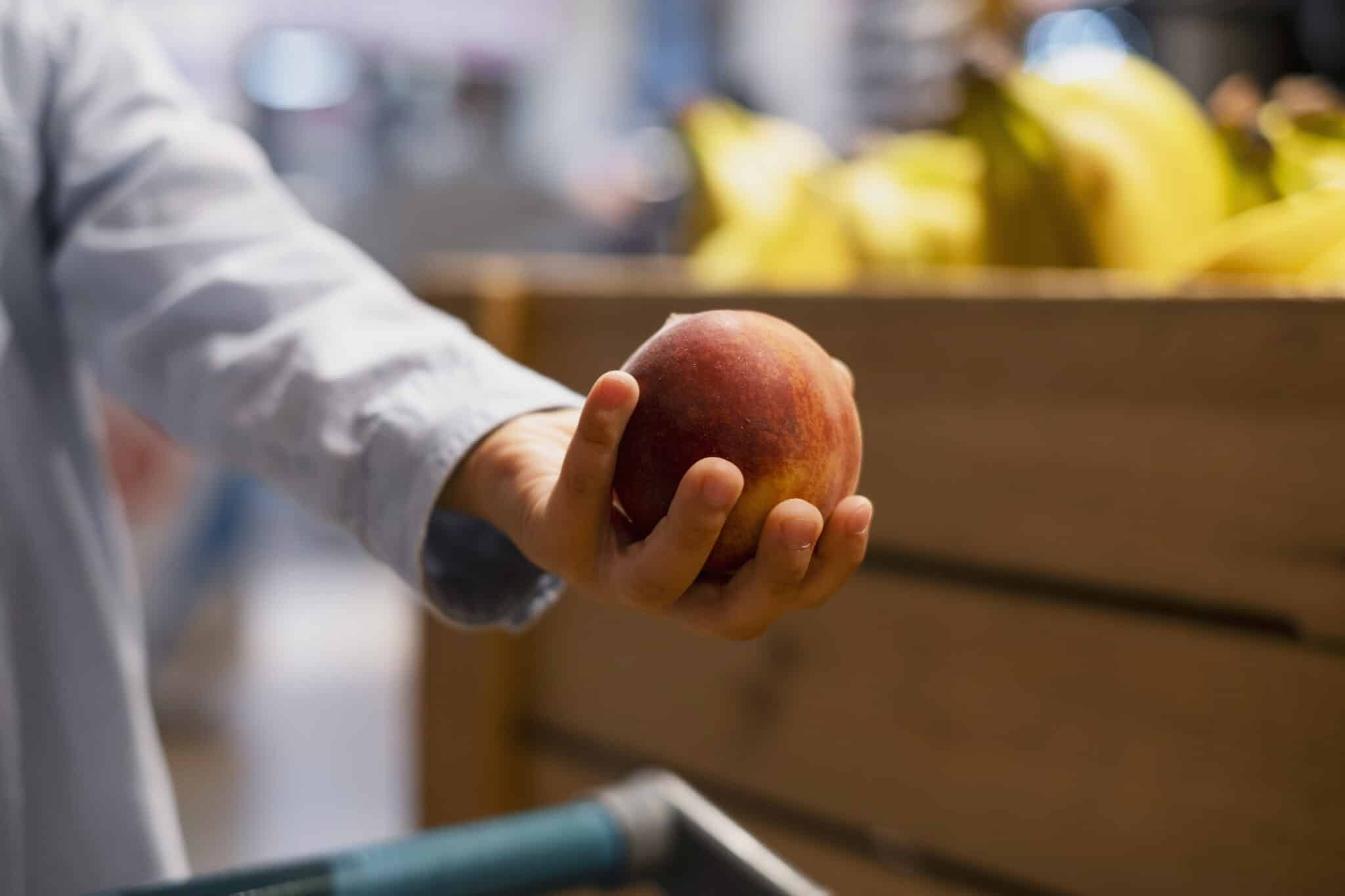
Each year, the American organization Environmental Working Group (EWG) publishes a list known as the Dirty Dozen—a rundown of fruits and vegetables with the highest pesticide residues. Topping this list are strawberries, closely followed by other red fruits such as cherries, blueberries, and raspberries. Other frequently contaminated items include grapes, peaches, apples, and pears.
In the vegetable category, spinach ranks as the most contaminated, trailed by kale, collard greens, bell peppers, and green beans.
The Least Treated Fruits and Vegetables
On a more positive note, some fruits and vegetables fare better regarding pesticide exposure. According to EWG, the following produce items show lower levels of contamination:
- Avocados
- Kiwis
- Onions
- Mangoes
- Watermelons
- Papayas
However, it is important to note that "less treated" does not imply "untreated." Choosing products that are organic is still the best way to minimize exposure to harmful chemicals.
A Necessary Shift Towards Sustainable Practices
The pervasive use of pesticides in our food supply underscores a pressing need for more eco-friendly agricultural practices. While pesticides are often deemed necessary for production, their ecological and health impacts suggest that they are not a viable long-term solution.
Now is the time to adopt more responsible farming practices: boosting biodiversity, rethinking agricultural models, and limiting chemical inputs. As consumers, we also wield considerable power: by opting for less contaminated products and supporting organic farming, we actively participate in this much-needed transformation.
For Further Exploration
To learn more, consult the interactive map detailing pesticide levels by municipality in France to get a clearer picture of your local situation.
Dans nos assiettes, tous les fruits ne se valent pas… surtout lorsqu’on parle de résidus de pesticides. Parmi les plus concernés, les fruits rouges arrivent en tête avec des niveaux de traitement alarmants. Dans un contexte où les enjeux environnementaux et de santé publique deviennent cruciaux, repenser nos pratiques agricoles devient une nécessité urgente.