
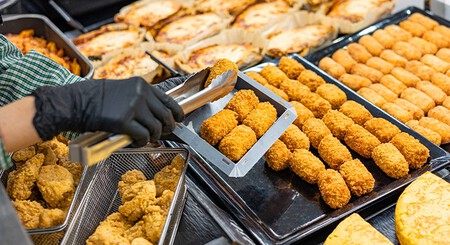
Changing Dining Habits: The Evolution of Supermarkets into Dining Venues
Once upon a time, filling your pantry required a visit to the local supermarket, where shoppers would stock up on ingredients needed for home-cooked meals. However, as our tastes , habits , and especially the rhythm of life have evolved, so too has the traditional role of retail chains in our dining experiences. Nowadays, a trip to the supermarket may also involve purchasing prepared dishes or even dining in, reminiscent of a café or bar atmosphere.
The Competition Landscape
In 2025, supermarkets are no longer just competing with neighborhood stores; they are going head-to-head with restaurants. With an expanding range of profitable menus , supermarkets have become multifaceted locations for dining convenience. A report from the consultancy firm Worldpanel by Numerator illustrates that hypermarkets have transformed into venues where customers frequently enjoy breakfast, lunch, or snacks on-site instead of merely grabbing items to prepare at home.
The Numbers Tell a Story
Recent findings reveal significant trends in consumer behavior. According to Veronika Khurshudyan, a spokesperson for the consulting firm, as of mid-2025, 6.9 million people visited hypermarket coffee shops to purchase food to consume outside their homes. Even more striking is the fact that 1.3 million customers opted to stay and dine within the supermarket—this number has doubled from the previous year. Khurshudyan observes a growing preference for enjoying food within the supermarket environment itself.
While nearly one-third of consumers visit supermarkets mainly to purchase food for home consumption, this mirrors an evolving trend toward dining in supermarkets. The rise of ready-to-eat meals indicates a shift in consumer priorities. Instead of searching for raw ingredients like pasta or fresh produce, shoppers increasingly desire instant meals , such as ready-made carbonara.
Where Are We Consuming?
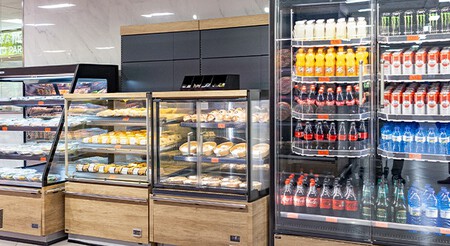
While reports indicate that 80% of ready meals are still consumed at home, the demand for on-the-go eating is rising. A study revealed that “extra-adomatic enjoyment”—consuming food outside of traditional dining spaces—has grown remarkably, with frequency increasing by 15% and sales value soaring by 29% . The Ministry of Agriculture, Fisheries, and Food’s sectorial report affirms that the consumption of prepared meals spiked by 6.4% in the past year, indicating a substantial shift in eating behaviors.
Why is This Trend Happening?
The roots of this trend lie in convenience . A survey highlighted that 47% of Spaniards feel a chronic lack of time, thereby driving demand for “convenience” products focused on ease and comfort. Interestingly, convenience is the primary motivator for 45% of customers choosing meals and beverages, surpassing health and pleasure as key decision factors. This fundamental change has not gone unnoticed. Juan Roig, the president of Mercadona , expressed a belief that future consumers would increasingly rely on pre-prepared meals instead of cooking from scratch, predicting that “in the mid-21st century, kitchens will become obsolete.”
Corporate Adaptation to Change
Supermarkets, recognizing this seismic shift, are evolving to meet consumer needs. Mercadona has ramped up its “Ready to Eat” program, featuring dishes ranging from appetizers to pizzas. The chain’s expansion into this sector has seen its presence grow to 1,260 supermarkets across Spain and Portugal. Similarly, other supermarket chains like Carrefour and El Corte Inglés have also begun prioritizing prepared meal selections, some even featuring designated spaces to savor these meals within the stores.
This evolution marks a significant transition in how consumers perceive supermarkets. What was once primarily a place to stock up on groceries is quickly becoming regarded as a viable option for dining.
As societal trends shift, the supermarket experience is transforming from a mere shopping chore into a dynamic and convenient dining option, reflecting our increasingly busy lifestyles. With changing consumer behaviors and innovative corporate strategies, the supermarket of the future will likely redefine our relationship with food and dining.