
The Surge in Spain’s Electricity Market: An Abundance of Energy
Not long ago, the narrative in Spain focused on droughts and dwindling reservoirs. Today, that discussion has flipped dramatically, as torrential rains have filled these reservoirs, transforming the landscape of the Spanish electrical system. The alarming alert of drought has been replaced by the cacophony of floodgates releasing excess water, marking an unexpected turn in the energy market.
A Financial Paradox
The dramatic meteorological changes of early 2026 have resulted in a surplus of energy, creating a paradox where a system built to manage scarcity is now struggling to cope with abundance. Electricity prices have plunged to unprecedented lows, effectively breaking the traditional market structure.
A Perfect Storm of Weather Events
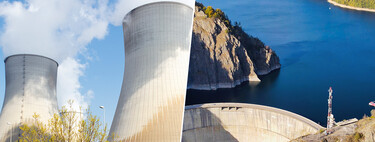
A series of Atlantic storms—namely Goretti, Harry, and Ingrid—have elevated Spain’s hydraulic reserves to a staggering 77.3%. Hydroelectric plants, particularly those that operate as “flow-through,” are now compelled to generate energy continuously. This situation is a double-edged sword: while it contributes to lower energy bills for consumers, it also puts nuclear energy, which is designed for consistent output, in a precarious position.
The Impact on Energy Sources
Data from Red Eléctrica indicates that on February 12, 2026, nuclear generation was stuck around 5,770 MW, while wind energy peaked at over 17,000 MW, overshadowing traditional energy sources. This imbalance has forced the market to reconsider its structure as renewable sources rapidly replace more stable options like nuclear power.
The Dynamics of a “Broken” Market
The oversupply of water and wind has led to “broken” pricing, particularly during off-peak hours. Factors such as negative pricing have started to emerge, illustrating how the market is finding it difficult to adapt. Recent data from early February shows that there were over 69 hours with zero or negative electricity prices.
Pumping Hydroelectricity: Spain’s Energy Battery
To handle the surplus energy, Spain is utilizing pumping hydroelectricity, effectively acting as a gigantic battery. This system consumes excess electricity to move water from lower to higher reservoirs, mitigating the risk of grid collapse. Significant pumping records indicate that at one point, consumption reached over 1,800 MW during the early hours of February 12.
Wholesale Prices in Freefall
As a consequence of this energy surplus, the wholesale price of electricity has plummeted, averaging just €4.38/MWh, a stark contrast to previous years’ prices. However, this drop is not without volatility; prices soar dramatically at peak demand hours—particularly during the evening—leading to a “time trap” for consumers. Bargain hours now exist, specifically between 3:00 p.m. and 4:00 p.m., where negative pricing can offer significant savings.
Future Predictions: Anecdote or Trend?
Experts suggest that the current oversupply is more than just a fleeting moment; it may signify a structural shift in the market. Futures markets for March and April are trading much lower, and predictions indicate that average prices might end up around €55/MWh for 2026. This raises critical questions about the viability of maintaining nuclear power plants amid an energy landscape dominated by renewable sources capable of providing energy at near-zero costs.
Conclusion: Adaptation is Key
The current scenario signals a crucial lesson for consumers: while energy appears almost free during certain hours, making informed choices about when to use electricity can yield substantial savings. As Spain navigates this complex energy paradigm, understanding the dynamics at play will be essential for both consumers and industry stakeholders.