
Collaboration to Tackle Galicia’s Forest Fires: A Call to Action
The ongoing forest fires in Galicia have raised alarms not just for the environment but also for the safety of local populations . In a proactive step, Minister of Rural Affairs, María José Gómez , has urged the Army of Earth to assist in preventive measures and the restoration of affected areas. This initiative aims to mitigate the impact of potential rain-induced runoff from burned landscapes on populated areas.
During a press briefing on Saturday, Minister Gómez expressed her gratitude towards the armed forces for their efforts in combating the forest fires. She articulated a comprehensive plan for post-emergency tasks, stressing the need for collaborative efforts in the wake of these devastating events.
“It’s essential to ensure that the firewalls , which have been constructed in various regions, are effective,” Gómez remarked. With heavy rainfall common in Galicia, she highlighted the importance of these barriers to prevent the runoff from the fires from reaching nearby communities. The collaboration sought from the army is not just an operational requirement; it signifies a broader commitment to safeguard the environment and human lives.
The Role of the Army in Environmental Restoration
Minister Gómez firmly believes that the armed forces are ideally positioned to assist in these reconstruction efforts. “The army consists of experienced professionals who are well-equipped to handle such circumstances,” she said. The task at hand involves assessing damaged areas and implementing effective restoration tactics to ensure minimal disruption to the local populace.
The Operation ‘Sentinela Galician’ illustrates the military’s current commitment to addressing forest fires in the region. Executed under the guidance of the Defence Minister , Margarita Robles , this operation reinforces the notion that the crisis requires coordinated responses from both governmental and military agencies.
Challenges Faced by Local Communities
Forest fires pose significant challenges, impacting not only the landscape but also the everyday lives of thousands of residents. The immediate danger lies in the destruction of habitats, decreasing air quality, and threats to public safety. Additionally, the aftermath leads to erosion , which, as noted by Minister Gómez, can cause debris flows and flooding in vulnerable areas.
Local communities often lack the resources or expertise needed to address these post-fire challenges adequately. Hence, the call for military support is crucial. With the right intervention strategies, such as the establishment of more effective firewalls and the reforestation of affected regions, communities can better shield themselves from future hazards.
The Importance of Collaboration and Community Involvement
While military action is instrumental, community engagement remains essential in the recovery process. Local populations must be informed and involved in the rehabilitation plans. This could include training sessions on fire prevention, sustainable land management practices, and community-led restoration efforts.
Engagement fosters a sense of ownership among residents, making recovery a shared responsibility. Education about fire ecology can also empower communities to recognize the natural patterns of fire and their role in the ecosystem, promoting a more scientific understanding of the environment.
Looking Forward: A Comprehensive Strategy
As conversations continue regarding the future of Galicia’s forests, it’s clear that a multi-faceted approach will be necessary. Collaboration between government entities, military forces, and local populations represents a crucial strategy in mitigating the disastrous consequences of forest fires. It’s a call for collective responsibility toward the environment and the safety of communities nestled within these critical landscapes.
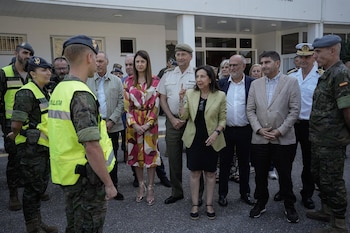
The cooperative effort between the Minister of Rural Affairs, the military, and the community aims to foster resilience and adaptability in the face of natural disasters, ensuring responsibility for both our environment and our citizens. Addressing the root causes of such disasters while working towards a more harmonious relationship with nature remains an essential long-term goal for all stakeholders involved.