

Colombia’s Trade Policies: A Six-Year Review by the WTO
The World Trade Organization (WTO) has released a new report analyzing Colombia’s trade policies over the past six years, from 2018 to 2024. This period covers the administration of former President Iván Duque and the initial years of the current government, led by President Gustavo Petro .
Stay updated with our WhatsApp Channel and on Facebook.
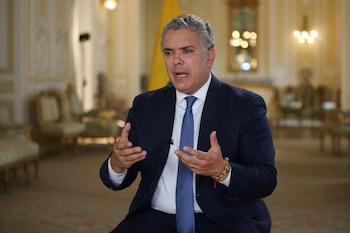
According to the document submitted by the WTO Secretariat, there were no significant transformations in the economic orientation or trade strategy of Colombia during this period. While national development plans expressed a desire to restructure the productive model to diminish reliance on the extractive sector, the organization indicated that there were no substantial changes in practice.
Since the last Trade Policy Review in 2018, Colombia has expressed its intention to transition towards a knowledge-based economy , promoting sectors such as innovation , science , technology , and service trade . However, the report found that exports remain dominated by energy-mining products such as precious metals, coal, petroleum, and derivatives, which made up over 60% of total exports between 2018 and 2024.
Within the agricultural segment, major products continue to be coffee , bananas , and flowers , which together accounted for 64.7% of international agricultural shipments in 2023. The WTO report indicates that in terms of imports, diversification remains limited, with nearly half of foreign purchases consisting of intermediate goods primarily for industrial processes.
Regarding the trade flows , the report shows that Colombia’s international trade activity remains concentrated among a few strategic partners. The United States , China , and the European Union continue to be key players in Colombia’s trade relations. Data from 2022 indicates a low level of participation of Colombia in global value chains.
The report also evaluated customs regulatory initiatives, highlighting proposed adjustments aimed at simplifying procedures under the Trade Facilitation Agreement signed by Colombia in 2018. These modifications are intended to reduce logistics costs and transit times while improving border control to combat smuggling. The implementation of these measures depends, according to the report, on updating the technological systems of customs authorities.
Despite these regulatory advancements, the WTO reported that the costs associated with Colombian trade remain high. Estimates from the World Bank and the United Nations Economic and Social Commission for Asia and the Pacific indicated that in 2022, trade costs in Colombia were 1.4 times higher than the average of larger economies. This overcost was attributed to insufficient infrastructure, institutional fragmentation, and excessive regulations.
In terms of foreign direct investment, the report notes that while efforts have been made to attract capital to strategic sectors outside of extractive industries, the majority of investment still flows towards mining , oil , and foreign trade . The WTO emphasized that such concentration “exacerbates the vulnerability of the Colombian economy,” especially given its heavy reliance on extractive industries amid a global transition towards less dependence on hydrocarbons.
To mitigate these risks, it is recommended to deepen economic diversification, encourage participation from non-traditional sectors, strengthen investments in clean energy , and consolidate policies that adapt to climate change.
Regarding fiscal measures, exemptions and special regimes, such as those of free trade zones and the Vallejo Plan, which offer tax benefits like exemption from tariffs, VAT, and income tax, were identified. According to the WTO, these instruments could be affecting low revenue collection from tariffs.
Another highlight from the review is the practices related to competition. Between 2018 and 2024, collusion in public procurement processes was the primary cause of sanctions. The organization indicated that despite efforts to improve efficiency and transparency in procedures, risks due to conflicts of interest and bribery persist, leading to significant financial losses from unfinished projects.
In conclusion, as of the end of 2024, Colombia had several pending reports before the WTO. Areas requiring updates include agriculture, quantitative restrictions, subsidies, compensatory measures, and state-owned enterprises.