
The Line: Viable Vision or Meandering Mirage?
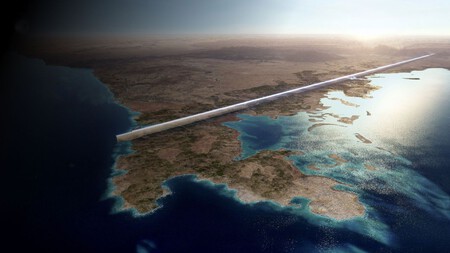
The Line, Saudi Arabia’s ambitious ‘corridor city’, is capturing global attention for its unprecedented scale—a 170 km long, 500 m high, and 200 m wide metropolis planned to rise from the desert. Since its unveiling by the crown prince in 2021, many have speculated whether this project represents a forward-thinking vision for urban living or a megalomaniacal fantasy destined for failure.
Current Status of The Line
While construction has officially begun, recent reports indicate that The Line is facing significant challenges. Development plans have shifted focus to completing a mere 2.4 km of the initial phase, a far cry from its grand ambition of accommodating nine million residents by 2030. The project, which is part of a larger initiative known as NEOM, finds itself amid a swirling cloud of skepticism despite the presentations of aerial photographs showcasing progress.
Economic Hurdles and Prioritization
Recent statements from Reuters reveal that Saudi Arabia’s Public Investment Fund (PIF), with assets totaling approximately $925 billion, is repositioning its investment strategy. Originally aimed at ambitious real estate projects, the fund is now expected to prioritize sectors that promise immediate returns, such as logistics, tourism, and artificial intelligence. This shift arises from economic pressures; oil prices, which undergirded the Vision 2030 plan, are currently trading around $60 per barrel compared to an anticipated $100.
Adjusting the Expectations
Amid declarations from Saudi officials about a “course correction,” the reality is setting in: the nation is facing a deficit, forcing officials to redefine investment priorities. The Minister of Economy, Faisal Alibrahim, succinctly summarized this wake-up call, stating that focus is now moving toward technology and AI sectors, essential for sustainable growth.
The Bigger Picture: Challenges to Other Major Projects
The challenges confronting The Line extend beyond its borders. Other megaprojects in Saudi Arabia, like the Trojena tourist hub, may also miss their deadlines. Initially expected to debut in time for the 2029 Asian Winter Games, Trojena’s completion may now be pushed to 2032. Such delays cast doubts on the overall efficacy of NEOM’s other ambitious developments, including the Sindalah island and Riyadh’s New Murabba, scheduled for 2040.
Future Viability: Opinions from Industry Experts
Industry experts remain divided about The Line’s future. While some express doubts regarding its long-term viability, emphasizing construction costs that already exceed initial projections, others remain optimistic. Prominent advisor Jerry Inzerillo insists that all plans remain intact, yet acknowledges that timelines will likely stretch. Current investments in megaprojects remain significant—around $56 billion in 2024—down 12.4% from the previous year.
The Dark Side of Ambition
As construction progresses, critics warn about the potential living conditions within such megacities. Experts suggest that if realized, The Line could transform into a dystopian living space for its residents. Previous consulting reviews hinted at the need for strategic recalibration to ensure the project’s practicality and success.
Conclusion: Balancing Ambition with Reality
Since its launch, The Line has evoked a dual response: awe and skepticism. Although initial works indicate that the project hasn’t been discarded, the journey ahead is fraught with economic, logistical, and structural challenges. The ambitious scale that excited many initially now faces the scrutiny of practicality in an uncertain economic landscape. The world watches closely as this monumental dream teeters on the edge of both visionary success and potential downfall.
Images and updates can be found through the official NEOM website, reflecting both the inspiration and the challenges of this ongoing saga.