
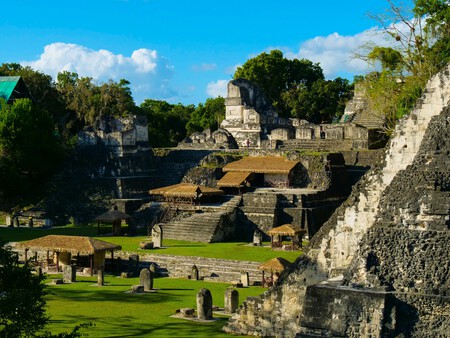
The Mystery of the Maya Collapse
The Mayans were a civilization that showcased remarkable agricultural skills, impressive architecture, and advanced astronomical knowledge, which continues to captivate researchers today. While they played an essential role in the history of Central America, our understanding of their society and decline has evolved substantially, revealing that much of what we thought we knew was incorrect.
What Happened to the Mayans?
As archaeological methods, particularly LiDAR technology, have advanced, new insights into the factors behind the decline of the Mayan civilization have emerged. For long, historians speculated about a “sudden and disastrous” collapse around 869 AD, especially at significant urban centers like Tikal in present-day Guatemala. However, this narrative is becoming increasingly outdated.
A Long-Term Decline
Recent studies suggest that the decline wasn’t abrupt but a gradual transition of approximately 200 years. During this period, many Mayan cities were abandoned in favor of more northerly locations, such as Chichén Itzá and Uxmal. This shift is often correlated with the Terminal Classic period, dating from 750 to 1050 AD, marked by social upheaval and migration rather than definitive collapse.
Changing Perspectives on Collapse
Kenneth E. Seligson, an archeology professor, argues that the dialogue surrounding the Mayans should shift from collapse to concepts of transformation and reorganization. This mirrors historical patterns seen in other civilizations, like Rome, which also experienced significant societal changes without entirely disappearing.
What Triggered the Decline?
The causes for the decline of critical Mayan settlements in the 9th and 10th centuries remain complex. Current theories propose a myriad of contributing factors including:
- Trade Route Changes
- Adverse Weather Patterns
- Severe Droughts
- Wars
Researchers are still piecing together the puzzle, and as of mid-2026, ongoing studies continue to yield new information.
The Role of Water
Significant research underscores prolonged droughts as a critical factor in the Mayan decline. A recent study involving stalagmites from Yucatán caves highlighted severe drought periods between 871 and 1021 AD. The findings indicated multiple droughts that extended for three years or longer, severely impacting agricultural output.
Beyond Drought: A Broader Crisis
However, as Benjamin Gwinneth from the Université de Montréal emphasizes, not all regions faced these devastating effects. Data from Laguna Itzán revealed stable climatic conditions, yet this area still faced significant population declines during the same periods. This raises critical questions about the interconnectedness of Mayan cities.
A Catastrophic Domino Effect
While Itzán did not suffer from water shortages, it experienced the aftermath of crises befalling neighboring regions. This interconnectedness may have created a domino effect, where resource conflicts and political instability across the Maya region led to widespread societal breakdowns.
Reevaluating Population Estimates
Recent investigations utilizing aerial LiDAR technology suggest that the Mayan population was significantly larger than previously believed, potentially reaching 16 million during its peak. This starkly contrasts earlier estimates which suggested numbers in the low millions. Such high population densities indicate substantial organizational complexity within Mayan society, prompting scholars to ask not just why they declined but how they managed to survive for so long.
Conclusion
The Mayan civilization remains a topic of intrigue and study. As new technologies and methodologies unearth further truths, our understanding of this iconic civilization continues to shift, challenging long-held beliefs and fostering deeper exploration into their rich history and enduring legacy.