
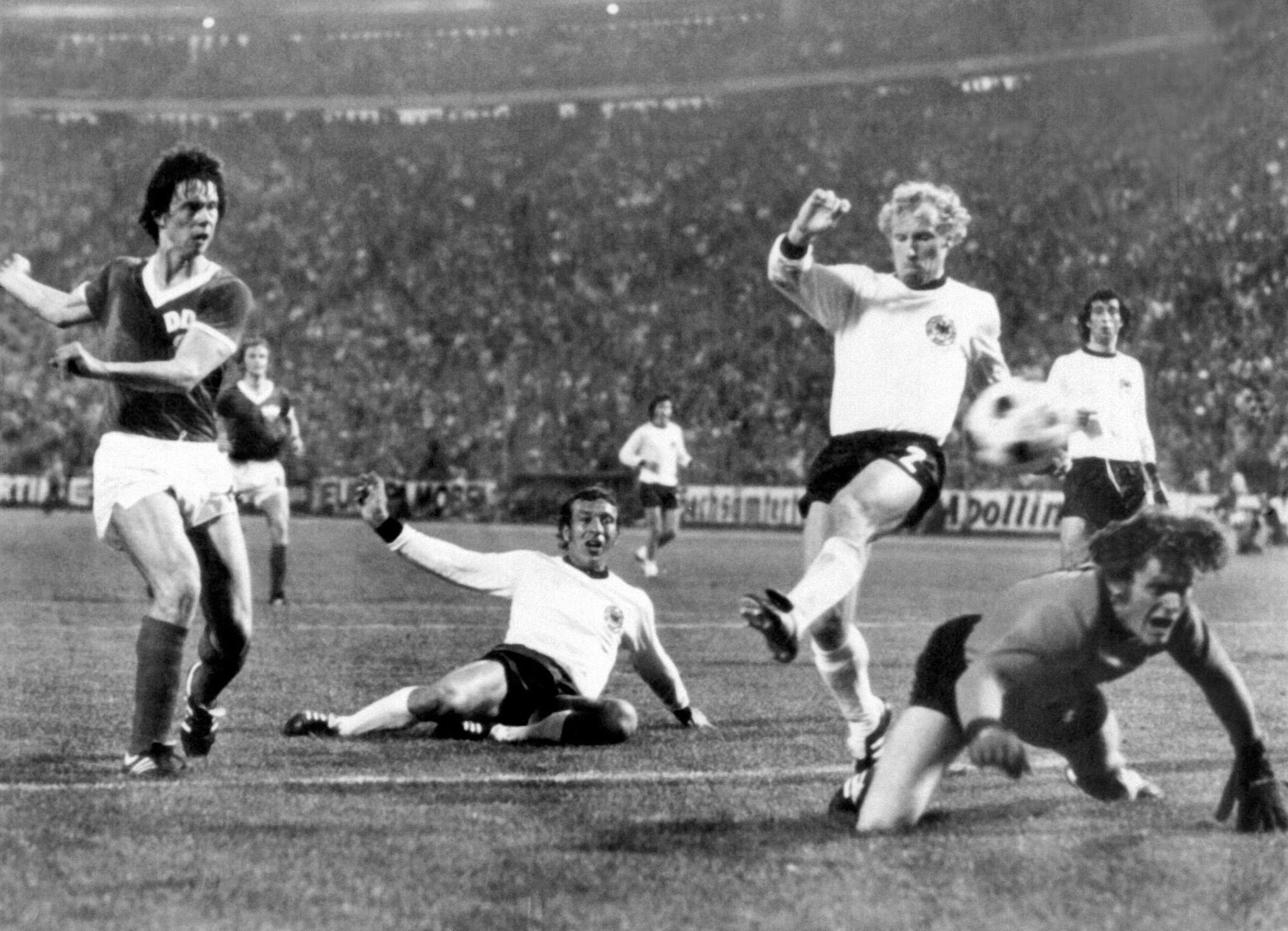
The Most Savage Football Match: The Infamous “Battle of Santiago”
A Historical Overview
The match between Chile and Italy during the 1962 World Cup is often labeled as one of the most disgraceful and violent events in football history. This clash was not merely a game; it symbolized national pride, historical tensions, and cultural resentments. David Coleman, the BBC commentator, aptly described the match as possibly the “stupidest, horrifying, disgusting, and embarrassing exhibition in the history of this game.”
Chile, in its efforts to host the tournament, had faced significant challenges, including the aftermath of a devastating earthquake in 1960. The nation, eager to showcase its resilience, voted to host the World Cup despite the prevailing difficulties. Carlos Dittborn, the president of the Chilean Football Federation, argued that bringing the World Cup to Chile would help elevate the country’s status in the football world.
The Build-up to the Clash
In the lead-up to the match, tensions were already palpable. An article in the Italian newspaper Il Resto del Carlino painted a bleak picture of Chile, describing it as a troubled nation plagued by poverty, violence, and discontent. This portrayal ignited outrage among the Chilean populace, setting the stage for the violent encounter that was to follow.
As the Chilean squad geared up for their match against the Italians on June 2, 1962, there was an air of anticipation mixed with animosity. Chile had previously defeated Switzerland, and victory against Italy was essential for their advancement in the tournament—and to reclaim national pride after the disparaging article.
The Match Itself
The match commenced with a ferocity that left many spectators shocked. Referee Ken Aston witnessed a display more akin to a street brawl than a football match. The players quickly abandoned any semblance of fair play; tackles were reckless, and fighting was rampant. Aston later remarked that he felt as though he were officiating a war rather than a sporting event.
Notably, goalkeeper Giorgio Ferrini was sent off for retaliation, igniting further chaos on the field. The Italian team, seeing itself outnumbered in terms of discipline, resorted to aggressive play to defend their honor. Despite their depleted squad, they fought back viciously, resulting in multiple injuries and disruptions throughout the match.
Key Moments
Leonel Sánchez, the local footballing hero for Chile, became a significant figure in the match. His clash with Italian player Mario David escalated into a series of tit-for-tat incidents, showcasing the emotional stakes involved. Sánchez later scored during the match, contributing to Chile’s victory.
The final score of 2-0 secured Chile’s place in the next round, but it was overshadowed by lingering chaos as the players clashed on the field post-match. The police were called in to restore order, further emphasizing the disorder that had permeated the game.
The Aftermath
Though Italy secured a win in their final match against Switzerland, they were eliminated from the tournament due to their prior defeat. Meanwhile, Chile advanced and went on to achieve notable success in the competition, finishing third overall. However, the brutal encounter was forever etched into the annals of football history as “The Battle of Santiago,” serving as a grim reminder of the intersection between sports and national pride.
Conclusion
The infamous Chile vs. Italy match of 1962 stands as a testament to the power of football as a cultural battleground. It reminds us that, while the beautiful game is often a source of joy and unity, it can also serve as a reflection of deeper societal issues and tensions. This harsh reality continues to resonate, making “The Battle of Santiago” a pivotal moment in World Cup history that should never be forgotten.