
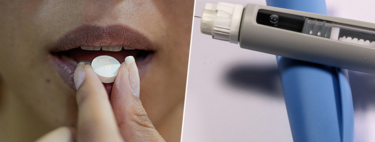
Ozempic, originally designed as a treatment for diabetes, has gained widespread recognition as a weight loss medication. This unexpected surge in popularity has led to significant supply shortages, an issue that may have threatened the very success of the drug. Recognizing the challenges posed by this unprecedented demand, the World Health Organization (WHO) has made a significant move to improve access to Ozempic and similar medications, particularly in low-income countries.
Updating the WHO Essential Medicines List
The WHO has recently updated its model list of Essential Medicines (EML), with the inclusion of GLP-1 medications, which mimic the actions of the glucagon-like peptide-1 hormone that gives this drug family its name. According to the WHO, this inclusion is intended to enhance access to these widely used drugs, especially in countries with limited financial resources.
This update encompasses a variety of other medications as well, including treatments targeting multiple cancer types, cystic fibrosis, psoriasis, and hemophilia. Overall, the new list now features a total of 523 essential medicines. Furthermore, the extension also affects the WHO model list of essential pediatric medications (EMLC), now consisting of 374 treatments.
The GLP-1 Family
The inclusion of GLP-1 drugs consists of compounds like semaglutide (the active ingredients in Ozempic and Wegovy), doraglutide, and liraglutide, in addition to tirzepatide (found in Zepbound and Mounjaro). These drugs function as agonists of the GLP-1 hormone receptors, known to regulate several important functions in our body. This hormone, produced shortly after meals, assists in two critical ways. First, it signals the pancreas to boost insulin production, thereby aiding diabetic patients in managing their condition. Second, GLP-1 also communicates through our brain, signaling a feeling of satiety, which contributes to weight loss.
Improving Access to Essential Medicines
The WHO has emphasized in a recent press release that these medications are capable of helping individuals with type 2 diabetes by enhancing glycemic control. They also lower the risk of serious health complications, including cardiovascular and renal issues, promote weight loss, and even reduce the risk of premature death, especially for those suffering from heart or kidney problems. This comprehensive assessment is partly responsible for the decision to include these medications on the essential list.
The pricing of these drugs significantly impacts accessibility. Including them on the essential medicines list is designed to broaden access, prioritizing patients most in need, while promoting competition via generics. This approach aims to make these medications available even in under-served areas. “Many families’ healthcare spending is directed toward medicines for noncommunicable diseases. Achieving equitable access to essential medications requires a coordinated response from health systems, strong political commitment, multisectoral collaboration, and targeted programs that benefit everyone,” stated Deusdedit Mumbangizi, the WHO’s Director of Policies and Standards for Medicines and Health Products.
Expanding the Fight Against Cancer
The WHO’s recent expansion of its essential medicines list also includes several cancer therapies. These treatments feature various antineoplastic drugs that aim to inhibit the development of growths that may transition to cancerous tumors. Among these are PD-1/PD-L1 immune checkpoint inhibitors, which empower the immune system to effectively identify and target cancer cells.
As noted, the surge in demand for Ozempic has raised serious concerns about its supply, not only for those requiring it for diabetes management but also for weight loss applications. With WHO’s new guidelines and updates, the situation may improve, enabling more individuals worldwide to access these essential therapies.
With these recent changes, the WHO is laying the groundwork for a more equitable healthcare system that prioritizes accessibility and affordability. This comprehensive approach to medicine distribution is a critical step toward ensuring that everyone, regardless of their economic status, receives the care they need.