
Understanding the Plaud NotePin S: A Wearable AI Recorder
When I tested the Plaud Note Pro, I concluded that it was one of the very few AI gadgets that truly justifies being a device rather than merely an application. Having spent several weeks with the NotePin S, the wearable counterpart, I now ponder whether it holds up to the same standard.
Design and Functionality
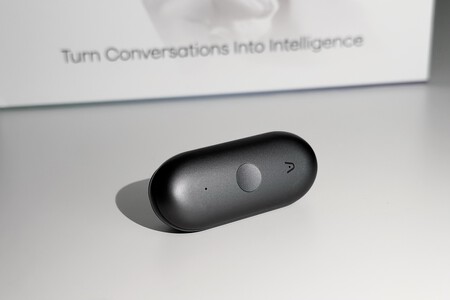
The NotePin S is a compact 17-gram oval device that you can wear in various ways: clipped to a lapel, hung around the neck, worn on the wrist, or pinned with a magnetic fastener. Unveiled at CES 2026, it promises to capture your spoken words without reaching for your smartphone.
Upon unboxing, the quality is immediately noticeable. The meticulous craftsmanship gives it a premium feel, evident in both the device and the included accessories—all provided in the box, unlike its predecessor. The package includes a magnetic clip, pin, necklace cord, bracelet, and charging base.
User Experience
A significant update compared to the Note Pro is the inclusion of a physical button to initiate recording. The former model faced criticism for its touch gesture sensitivity, which could lead to missed recordings. The NotePin S resolves this with a straightforward long press to record, a single press to stop, and a short press to highlight important sections during recording.
Versatile Wearing Options
Throughout my usage, I explored various wearing methods:
- Lapel Clip: Ideal for formal meetings.
- Magnetic Pin: Offers a stylish touch.
- Neck Cord: Provides comfort for casual activities.
- Bracelet: This option didn’t resonate as well; the material felt inferior, and it’s less practical alongside a traditional wristwatch.
Recording Performance
The microphone’s effective range extends to about three meters, accommodating most meeting settings. Notably, transcription—using AI models from OpenAI, Google, or Anthropic—is impressively accurate, especially in Spanish. One of the standout features is the automatic summary generation, which organizes your highlighted notes into actionable insights.
Novel Desktop Integration
An innovative addition to the Plaud ecosystem is its desktop application, which records Zoom, Google Meet, or Teams meetings discreetly. This feature distinguishes it from competitors that require visible participation, potentially making meeting guests uncomfortable.
Addressing Limitations
While the Note Pin S presents many advantages, it does have limitations. Its reduced battery life and three-meter capture radius might not suffice in larger settings where its predecessor excels. Essentially, both devices are effective in everyday contexts, but the NotePin S struggles under demanding conditions.
Choosing the Right Recorder
The key question when deciding between the two models is: Do I need to wear my recorder, or can it sit in my pocket or on a table?
For those who frequently conduct interviews, hold face-to-face meetings, or need a portable solution, the NotePin S may just be what you need. Conversely, for users who mainly record stationary meetings, the Note Pro is the better choice.
Pricing and Value
Price is a conversation starter here. The NotePin S retails for €179 and includes subscription costs for additional minutes. While these figures may seem steep, the integration of wearability does provide added value for specific user profiles.
Conclusion
In a market filled with half-baked AI gadgets, the Plaud NotePin S is a solid, well-executed product. Its premium quality and specificity in function make it stand out, proving that the future of wearable technology can be both practical and stylish. Before you make a purchase, ask yourself: Where and how will I use it?
If you frequently find yourself in motion while needing to record, the NotePin S is worth considering. Otherwise, the Note Pro may serve you better in more traditional settings.