
## Supreme Court’s Endorsement of Texas Electoral Map
The United States Supreme Court recently issued a pivotal ruling concerning the electoral map designed by the Texas Republican majority, stating that lower courts had overstepped their bounds during an active primary campaign. This decision clears the way for the new district map to be used in the upcoming legislative elections, despite ongoing litigation.
### Background of the Ruling
The Supreme Court’s decision overturned the previous suspension imposed by a lower federal court, which had declared the electoral process unconstitutional due to allegations of racial manipulation. The Court reasoned that the initial ruling caused confusion and disrupted the necessary federal-state balance during elections. This ruling allows for a provisional implementation of the new Texas electoral district map designed under Governor Greg Abbott’s direction.
### Political Implications for Texas Republicans
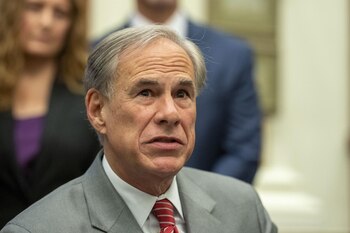
Following the ruling, Governor Abbott expressed his approval, claiming that “Texas is officially—and legally—more Republican.” This map could potentially allow Texas Republicans to gain up to five additional seats in the House of Representatives in the forthcoming election cycle. Such an increase could significantly alter the Democratic representation at the federal level and has raised concerns about partisan gerrymandering.
### Concerns Over Representation
Notably, the Supreme Court’s ruling did not come without dissent. Three justices voted against the authorization, voicing concerns regarding the potential dilution of racial minority representation in Texas. The legal discourse surrounding this decision has revolved around accusations of gerrymandering—the deliberate rearrangement of electoral districts to benefit a particular political party.
Opponents argue that the newly approved map contravenes constitutional principles of representative equity, thereby limiting political representation for minority racial groups. This ongoing debate highlights the critical issue of community participation in political decision-making, especially as demographic dynamics in Texas evolve.
### Ongoing Legal Controversies
It is essential to recognize that this judicial ruling is provisional and will remain effective until the Court resolves the appeal filed by the Texas government. This legal uncertainty opens the door to possible changes in the electoral landscape come 2026, depending on the verdict of the future proceedings.
Texas isn’t alone in facing judicial challenges over its electoral maps. States like Missouri, North Carolina, and Ohio—also governed by Republican majorities—have initiated similar reforms, facing lawsuits centered around claims of undermining equal representation and the rights of racial minorities.
### Nationwide Political Polarization
The recent political polarization concerning electoral redistricting is further exemplified in other states as well. For instance, California’s Democratic Governor Gavin Newsom has approved a new congressional map to counterbalance maneuvers made by Republican-controlled states. Such reactions reflect a growing trend where partisan conflicts extend into judicial arenas, making electoral geography a central battleground for political power.
### Looking Ahead
The Supreme Court’s focus on maintaining the electoral calendar has added a layer of complexity to the ongoing debate surrounding electoral autonomy and fairness. With the Court underscoring the need for caution against federal intervention, the implications of this ruling may resonate far beyond Texas, possibly influencing electoral processes in other jurisdictions facing similar disputes.
The forthcoming legal deliberations concerning the Texas electoral map will undoubtedly impact party dynamics and the representation of various communities. As stakeholders await substantive decisions, the outcome will shape not just the future of Texas’ political landscape but potentially the federal House of Representatives as well.