
Losing the “Eye” that Watched Hormuz
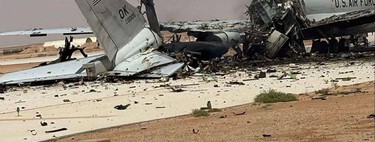
In 2019, an American surveillance drone valued at over $200 million vanished from radar over the Gulf of Oman, only for Iran to unveil its remnants shortly after. This incident marked a dramatic moment: a sophisticated machine engineered for surveillance was neutralized before it could respond. Since then, every instance of silence in the area has weighed heavily, creating an atmosphere of uncertainty.
The Fall of the MQ-4C Triton
The recent confirmation of the MQ-4C Triton’s crash is not merely a technological mishap. It signifies the loss of a vital asset in the U.S. surveillance arsenal in the Persian Gulf. This high-altitude drone, equipped with advanced sensors, played a crucial role in monitoring naval movements, detecting potential threats, and maintaining control around the strategic Strait of Hormuz.
The circumstances surrounding its disappearance remain unclear, but the implications are significant. In a geo-strategic landscape fraught with mines, drones, and speedboats, the absence of reliable intelligence is dangerously unsettling.
The “Scared” Aircraft Carrier
The diversion of the USS George H.W. Bush around Africa instead of through the Suez Canal is a critical logistical choice that highlights Washington’s current operational vulnerabilities. Opting to bypass the Bab el-Mandeb Strait, known for its heightened risks, underscores the reality that even a nuclear aircraft carrier battle group cannot ensure safety in waters where groups like the Houthis can launch drone and missile attacks.
This detour not only elongates travel times and complicates operational deployments but also dramatically illustrates that military prowess doesn’t always equate to freedom of movement.
An Uncomfortable Precedent
Analysts from Forbes express concerns regarding the precedent set by avoiding Bab el-Mandeb. If this critical route, a choke point, is deemed too risky, one shudders to consider the dangers that await in Hormuz—a far narrower passage heavily fortified by Iranian defenses.
Iran possesses advanced technology and decades of meticulous preparation for potential confrontations, making operations in the strait exceptionally risky. Even minor incidents could dramatically shift the strategic balance.
The Strategic Paradox
These recent movements portray a picture that flips the narrative of American strength on its head. Instead of projecting overwhelming force, U.S. actions suggest caution and restraint. Redesigning a nuclear aircraft carrier’s route to bypass a hotspot reveals a thin margin for error and emphasizes that maintaining current power dynamics has taken precedence over showing strength.
In a scenario where an attack on a high-value vessel could lead to catastrophic consequences, prioritizing loss avoidance is becoming paramount.
When Losing a Little is Too Much
In conclusion, the fallout from the Triton drone crash combined with the re-routed aircraft carrier creates a stark reality: the United States is navigating an exceptionally precarious situation. The balance is delicate, and it doesn’t require a significant strike to alter the operational landscape—a symbolic loss could trigger profound repercussions.
While the loss of a drone might be manageable, the stakes surrounding a hit on a naval warship or a nuclear carrier are insurmountable. These evolving narratives shape the future of U.S. military posture in the region.
In summary, this delicate state of affairs not only signifies the U.S.’s caution but also emphasizes the increasing unpredictability of military operations in critical zones.