
The Impending Crisis in Iran’s Oil Sector
Oil has an unbreakable physical law: once it leaves the ground, it must be transported. If ships cannot transport it and storage tanks become full, the only solution is to shut down the wells. Today, the war of attrition between the United States and Iran has escalated into a geological and logistical time bomb.
Iran’s Dwindling Oil Storage Capacity
According to analysis firm Kpler, Iran has just 12 to 22 days left before its crude oil storage capacity is completely saturated. The U.S. naval blockade has suffocated its exports, reducing shipments from 1.85 million barrels per day to a meager 567,000—an astonishing decline of 70%.
A Lethal Limit. As Al Jazeera explains, stopping production at an oil well is not akin to flipping a switch. When pumping ceases, the pressure in underground reservoirs drops sharply, allowing water or gas to seep into the production layers.
The Risks of Shutdown
The potential damage to Iran’s oil infrastructure is immense. The Wall Street Journal warns that almost half of the Iranian oil fields are old and low-pressure. An abrupt shutdown could permanently damage this aging infrastructure, making future recovery technically and financially unfeasible.
U.S. Perspective and Iranian Resilience
In Washington, the narrative reflects imminent victory. The U.S. administration is confident that this collapse will compel Tehran to surrender. Statements by U.S. Secretary of the Treasury Scott Bessent and former President Donald Trump suggest that a fuel shortage will increase social pressure on the Iranian regime.
Experts Call for Caution
However, experts urge caution against Western triumphalism. A rigorous analysis from the Center on Global Energy Policy at Columbia University dismantles part of the myth of catastrophic damage, dividing the issue into two fronts:
- Crude oil can breathe: The historic oil fields of Khuzestan operate on a “gravity drainage” system. Paradoxically, a temporary stoppage might allow these reservoirs to recharge naturally.
- Natural gas, the true Achilles’ heel: The real risk resides in the natural gas fields, such as the massive South Pars. If these become blocked and cannot release associated liquids, Iran will need to ration energy for both industry and homes.
Iran’s Survival Strategies
Tehran plans to persist with its “diplomacy of patience.” According to NDTV, the Islamic Republic has previously survived severe production cuts and maintains a robust smuggling network that provides a buffer against conventional economic pressure. The pain from these sanctions will not hit Iranian coffers until around three to four months later, as China—its main client—operates on long payment timelines.
Extreme Measures for Survival
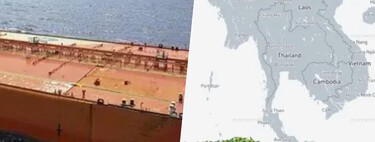
To buy time, Iran is resorting to extreme measures. According to The Wall Street Journal, the country is reactivating dilapidated infrastructure for “junk storage” and even attempting to export crude oil by train to China—a slow and costly route, highlighting the system’s stress. Iran has also resorted to using aging supertankers, such as the Nasha, as emergency floating warehouses.
Global Economic Ripple Effects
The blockade’s collateral damage is beginning to fracture the global economy and geopolitics. Reports from the Financial Times indicate that real inflation in Iran is nearing 50%, while basic goods have surged in price. Over 191,000 workers have sought unemployment benefits since the conflict began.
The Disruption of Global Logistics
This crisis has shattered the illusion of modern logistics. The collapse at Hormuz poses not just a temporary obstacle but a tectonic fault threatening the petrodollar’s dominance. With oil prices soaring to over $120 per barrel, OPEC dynamics are shifting. The UAE’s announced departure from OPEC+ is a significant geopolitical consequence of the war, leaving Saudi Arabia to stabilize the market alone.
The Uncertain Future
This conflict is a high-stakes race where no one is unscathed. The critical dilemma is who will face bankruptcy first: Iran’s fragile oil wells or global consumers and Western powers grappling with soaring fuel prices. As the valves at Kharg Island continue to pump oil into tanks, the geological clock is ticking down, marking a countdown to collapse.