

The rise of drones in modern warfare has transformed the battlefield landscape, compelling military leaders around the globe to rethink strategies and technologies. The Pentagon is currently at a critical juncture, grappling with a significant delay in adopting drone technology compared to adversaries like Ukraine , Russia , and China . While these nations are engaging in rapid integration of efficient, low-cost drone platforms, the U.S. military is still entrenched in outdated procurement processes and a cultural approach that sees drones as “new airplanes,” rather than as essential asymmetric weapons for contemporary warfare.
The structural shift in military engagements is undeniable. In Ukraine, creative adaptation and deployment of drones, including swarms of short and medium-range systems, have demonstrated that smaller, resource-constrained armies can level the playing field against larger, technologically advanced adversaries. This has drawn attention to the urgency of reforming the U.S. approach to drone warfare.
The Pentagon has publicly acknowledged the threat posed by drones but is still exhibiting a dangerous delay in its response. General James Mingus highlighted this issue by likening the current drone landscape to the impact of improvised explosive devices (IEDs) during the Iraq conflict. His concerns reflect a broader strategic blindness overarching military decision-makers, echoing past failures to adapt to new technologies swiftly. Historical precedent shows that the U.S. Department of Defense has often waited until tragedy strikes before embracing necessary innovations, costing lives and operational advantages.
During the years of insurgency in Iraq and Afghanistan, thousands of servicemen lost their lives while the adoption of protective MRAP (Mine-Resistant Ambush Protected) vehicles was delayed. Today, this situation is mirrored in the realm of drone warfare—the Pentagon remains preoccupied with large-scale projects, such as the F-35 and strategic submarines, while sidelining affordable, agile technological solutions that could significantly alter combat outcomes. Programs like the Replicator initiative offer hope, but they fall short of urgency and immediate scalability.
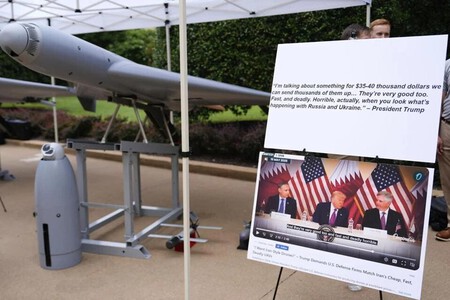
Presentation of Lucas, the Made in USA copy of the Shaheds, or almost
The Shahed-136 drone, originally an Iranian design, represents a pivotal technological and strategic tool in asymmetric warfare today. With a reported cost of only $50,000 and an operational range of up to 1,600 kilometers , this drone has become a mainstay in Russian military operations. Produced on a massive scale, the Shahed’s ability to deliver explosive payloads makes it a devastatingly effective option on the battlefield, amplifying the disparity between drone-armed nations and the U.S., which still relies on prototypes and promises. The Pentagon’s failure to produce a comparable asset is a strategic negligence symptom of considerable magnitude.
Moreover, the Pentagon has persistently dismissed the urgent need to adopt short-range drones , such as First-Person View (FPV) systems, which have already proven effective in U.S. military operations. These drones allow soldiers to extend their operational range significantly—it’s estimated that these systems can increase engagement capabilities from 800 meters to over 12 kilometers . Conversely, the U.S. continues to invest heavily in expensive missile systems , neglecting low-cost alternatives that can deliver results on the battlefield.
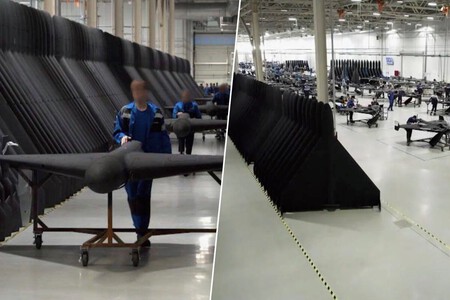
Russian Shaheds Factory
The industrial disability faced by the U.S. cannot be understated. The irony is palpable: while intending to counteract China, the United States remains reliant on the very nation it’s striving to outpace for critical components and materials necessary for drone manufacturing. The U.S.’s procurement structure, designed during the Cold War era, cannot cope with the fast-paced demands of modern warfare.
To illustrate, while adversaries are rapidly iterating drone versions within weeks, the Pentagon lingers for years to approve contracts. Experts advocate for a decentralized production model, suggesting the establishment of a network comprising several medium- and small-sized firms under streamlined government oversight. This reinvention of the supply chain would enable the U.S. to build a resilient, scalable , and competitive supply capable of manufacturing tens of thousands of drones, poised for deployment in potential conflict scenarios.
The stakes are high . With China’s capacity for mass drone production and state-control efficiency, it could flood the Pacific with munitions in a matter of months. The Russian arsenal of Shaheds is already surpassing U.S. defenses, while Iran’s technology continues to proliferate across the globe. In this evolving landscape, American apathy poses not just a setback but potentially an existential threat to U.S. deterrence and military efficacy.
In summary, the U.S. military’s hesitance to adapt and integrate drone technology reflects a much larger issue of strategic perception in the face of impending external threats. It is imperative that Washington prioritize increased production of affordable drone systems and reevaluate its military doctrine before it is too late. Failure to act decisively in this realm could have consequential repercussions as warfare shifts toward cheap, versatile, and overwhelming capabilities that can saturate even the most fortified of defenses.