
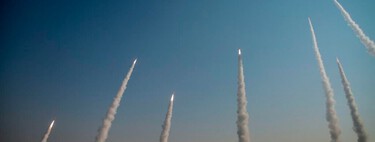
The Unfolding Crisis: Lessons from Iran for North Korea
In recent years, the world has become increasingly absorbed by the tensions in the Middle East , particularly those involving Iran. Over the last two decades, North Korea has been closely monitoring these developments, learning valuable lessons from Iran’s experiences. In fact, approximately 20 years ago , North Korea dispatched engineers specializing in tunneling to Tehran. This expertise would prove critical in light of recent United States airstrikes targeting Iran’s underground nuclear facilities, showcasing that North Korea is being vigilant in observing the potential ramifications of military action against sovereign states.
A Nuclear Lesson for Pyongyang
The recent U.S. bombings of Iranian nuclear sites by B-2 bombers have sparked widespread concern, not just in the Middle East, but also across East Asia. According to various analysts at CNN, these attacks send a potent and dangerous message to countries like North Korea— without nuclear weapons, you risk vulnerability . For Kim Jong Un, the leader of North Korea, these developments substantiate a narrative that has been central to his regime: nuclear deterrence is the only effective shield against external aggression aimed at regime change.
Consequently, rather than curbing proliferation, military actions aimed at Iran may instead accelerate North Korea’s arms expansion . This situation is compounded by North Korea’s growing alliance with Russia, which has proven to be a crucial military, technological, and economic ally since the onset of the war in Ukraine.
The Moscow-Pyongyang Axis
The collaboration between North Korea and Russia has taken on a strategic dimension. Since 2024 , the two nations have entered a broad strategic agreement. Recent reports indicate that North Korea has sent over 14,000 soldiers and millions of ammunition—including missiles and rockets—to support the Russian invasion of Ukraine. In exchange, North Korea has received aerial defense systems, anti-aircraft missiles , and crucial military technology. This partnership not only funds North Korea’s military ambitions but also grants access to advanced technologies that are vital in modern warfare.
Examples Feeding the Paranoia
From Kim’s perspective, recent events illustrate the stark reality: countries lacking nuclear capabilities are exposed to American intervention . Historical examples abound: Iraq was invaded without weapons of mass destruction, and Libya dismantled its nuclear program, only to witness the regime of Muammar Gaddafi collapse years later. Iran finds itself in a similar position despite having signed the nuclear agreement and keeping its enrichment below weapons-grade levels. The recent U.S. attacks on Iranian facilities serve as a reminder that compliance does not guarantee safety.
Two Certainties for North Korea
In contrast, North Korea has conducted six nuclear tests and possesses an estimated 40 to 50 active warheads . Its intercontinental ballistic missiles can reach the United States, positioning Pyongyang as a formidable player with genuine deterrence capabilities. According to Victor Cha from CSIS, the U.S. actions against Iran reinforce two key beliefs for Kim: the U.S. lacks a viable military option against North Korea’s nuclear arsenal, and maintaining and expanding this arsenal is a justified decision.
Tripartite Deterrence
North Korea’s military posture is further complicated by its triple defense system , consisting of its existing nuclear arsenal, defensive alliances with Russia, and legal agreements with South Korea, which necessitate diplomatic consultations before any military action. This framework transforms any possible U.S. aggression into a regional crisis.
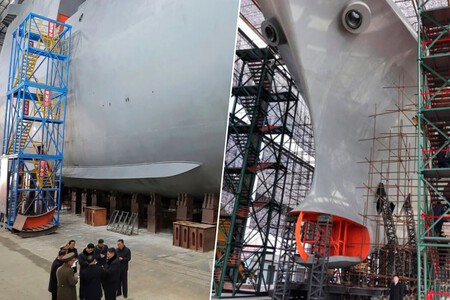
North Korea’s first nuclear submarine
Accelerating Militarization
The aftermath of U.S. actions against Iran is likely to harden attitudes in North Korea, pushing the regime to accelerate its ballistic missile tests , develop new technologies, and expand its attack options. This militarization may occur under the protective umbrella of its alliance with Russia, disregarding any UN Security Council resolutions that lack coercive power.
The Non-Proliferation Treaty (NPT) Concerns
Additionally, the Non-Proliferation Treaty (NPT) , established in 1968, aimed to prevent the spread of nuclear weapons. Yet its effectiveness has significantly waned as nuclear powers have failed to fulfill their disarmament promises. Iran’s potential to either reconstruct its uranium enrichment capabilities or directly acquire nuclear arms from Russia poses a dire threat, especially given Tehran’s growing alignment with Moscow.
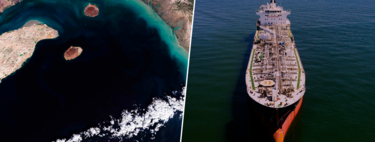
Deterrence or Further Proliferation?
The intended U.S. policy of halting Iran’s nuclear ambitions could backfire spectacularly. Instead of enhancing the credibility of nuclear non-proliferation efforts, these bombings may serve to justify further nuclear development among authoritarian regimes like North Korea that distrust American intentions. This geopolitical irony presents a formidable challenge: the U.S. actions aimed at containing proliferation might inadvertently spur another wave of arms races, particularly in East Asia.
In essence, the landscape has become increasingly precarious. North Korea, currently under immense pressure, has now been handed what it sees as the green light for further militarization. The world holds its breath as these tensions continue to unfold, raising grave concerns about global security in the years to come.