
Reopening of the British Embassy in Tehran: A Step Toward Diplomacy
The United Kingdom Government made a significant announcement on Monday regarding the reopening of its embassy in Tehran. This development comes after a temporary closure that resulted from escalating tensions between Israel and Iran, an incident in which the United States was also involved. The temporary closure lasted until June 24, concluding with a ceasefire between the two nations.
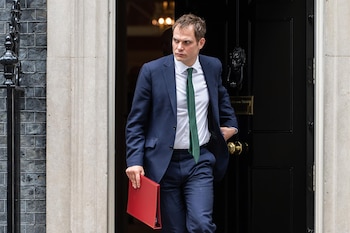
Hamish Falconer, the Undersecretary of State for Foreign Affairs, confirmed the reopening to members of the British Parliament. He stated that “we have reopened our Embassy in Tehran after a temporary closure, and there is already a manager.” Falconer emphasized that London remains committed to working diligently “to guarantee the safety of British citizens in Iran.”
Building Bridges with Iranian Society
Falconer also addressed the broader intent behind the embassy’s reopening, mentioning that British authorities aim to “maintain a relationship as wide as possible with Iranian society in general.” His remarks reflected an understanding that diplomacy requires meaningful engagement and interaction. The Undersecretary pointed out that any diplomatic advances need to be taken seriously and with urgency.
While calling for a diplomatic resolution to ongoing tensions, Falconer acknowledged the challenges ahead. “We are doing everything possible to try to find a diplomatic solution,” he noted, highlighting the long-standing history of nuclear diplomacy with Iran, which has often proven unsuccessful.
Potential Consequences of Diplomatic Stalemates
The United Kingdom has made it clear that it is prepared to take further steps if diplomatic discussions do not yield results. Falconer mentioned the snapback mechanism—a process involving the E3 group (France, the United Kingdom, and Germany) that could reinstate sanctions previously lifted during negotiations with Iran. This additional layer of pressure highlights the urgency and seriousness of the situation.
“It is absolutely vital that the inspectors of the International Atomic Energy Agency (IAEA) be allowed to return to Iran,” said Falconer. He emphasized that trust is essential for any diplomatic resolution, and the IAEA’s involvement is a significant component of that trust.
The Recent Conflict: A Timeline of Events
The backdrop of this diplomatic maneuvering is a complicated series of military actions. Israel initiated a military offensive against Iran on June 13, which triggered a response from Iran involving missile and drone attacks. Shortly thereafter, the United States joined the fray, targeting Iranian nuclear facilities. Iran retaliated with a missile strike on an American military base in Qatar, although the U.S. received prior warning, resulting in no casualties.
These hostilities have led to tragic consequences, including approximately 1,100 fatalities and around 5,600 injuries reported in Iranian territory. Such a toll underscores the pressing need for avenues toward peace and diplomatic dialogue.
The Importance of International Oversight
One point of consensus among policymakers is the critical role of international oversight in ensuring compliance with agreements. The presence of IAEA inspectors serves as a benchmark for assessing compliance and facilitating trust between nations. The clamor for their return signals the broader objective of re-establishing normalcy in international relations and ensuring that nuclear agreements can be both monitored and respected.
Prospects for a Diplomatic Solution
As the United Kingdom reopens its embassy, there is cautious optimism about the possibilities for diplomacy. The reopening signifies more than just a physical presence; it also serves as a symbol of commitment to addressing complex geopolitical issues. However, the path forward remains fraught with challenges.
Realistically, the success of these diplomatic efforts hinges on the willingness of all involved parties to engage in sincere negotiations. Given the historical tensions and complexities surrounding Iran’s nuclear ambitions, striking a balance that ensures regional stability and meets the concerns of various stakeholders will require meticulous diplomatic efforts and a sustained commitment from all parties involved.
In conclusion, the reopening of the British embassy in Tehran could prove to be a pivotal moment in addressing the ongoing tensions between Iran, Israel, and the United States. It embodies a step toward renewed dialogue and potentially fosters a diplomatic environment where peace can eventually be achieved.