
Ousmane Dembélé and PSG: A Controversy Unfolds After Injuries
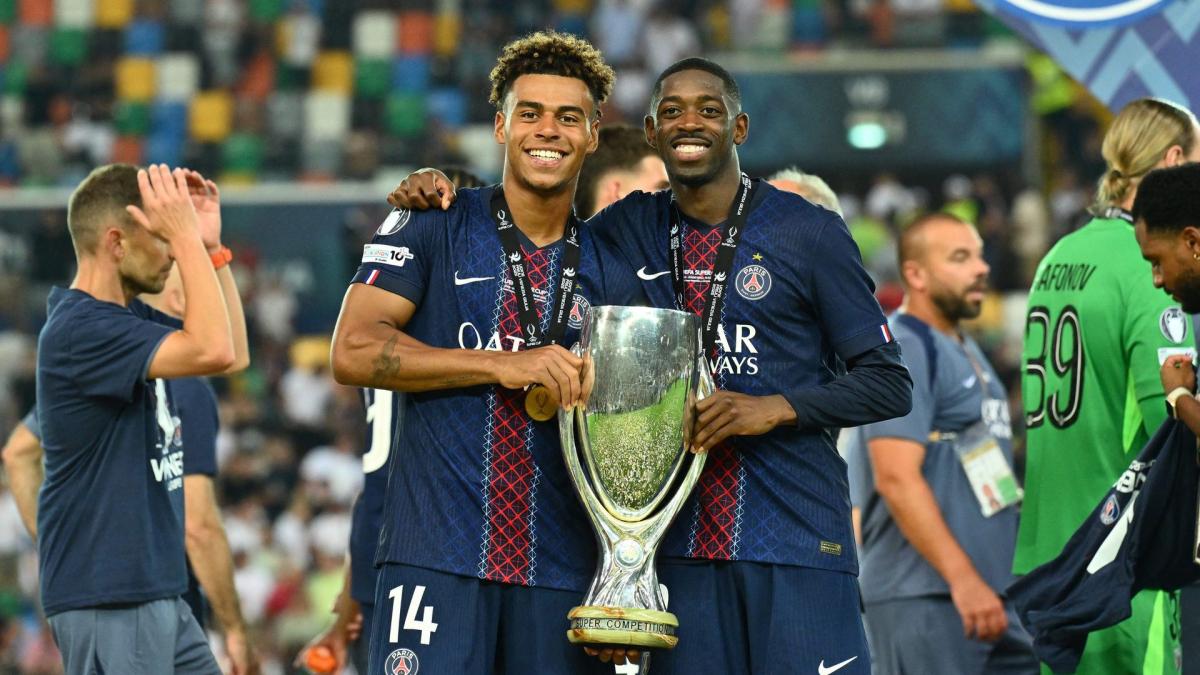
For several months, Ousmane Dembélé has been a prominent name in football discussions, particularly relating to the Ballon d’Or. Currently playing for Paris Saint-Germain (PSG), Dembélé was viewed as a top contender for the 2025 edition, alongside rising star Lamine Yamal. However, recent events have overshadowed these accolades, plunging the PSG camp into controversy and uncertainty. Dembélé suffered a severe hamstring injury during an international match against Ukraine, which is expected to sideline him for at least six weeks. His teammate, desired Doué, will also be absent for about four weeks due to a right calf injury. This double setback leaves PSG facing significant challenges as they navigate the upcoming fixtures without two of their key players.
The absence of Dembélé and Doué becomes even more critical with the imminent resumption of the Champions League, a tournament PSG fans eagerly anticipate. The frustration within the club’s hierarchy has been palpable, leading them to issue a public statement expressing their anger towards the French Football Federation (FFF). Following the incident, FFF president Philippe Diallo addressed the situation in a letter, emphasizing that the national team’s requirements supersede those of individual clubs—a stance that has not gone down well with PSG supporters.
UNFP Supports Dembélé and Doué
In response to the injuries, the National Union of Professional Footballers (UNFP) has also stepped in to defend Dembélé and Doué. David Terrier, the union’s president, stated, “It is crucial to establish new protocols that prioritize player welfare.” He emphasized the need for government intervention, reflecting ongoing frustrations regarding player safety in the face of congested international calendars.
The UNFP is particularly concerned about the medical protocols in place, pointing to past grievances regarding player fatigue and injuries. They are calling for systematic reviews of how players are managed throughout the hectic football season, especially when competing at both club and international levels.
FIFA Under Fire
Terrier’s comments extended to a strong critique of FIFA, which is perceived as a significant contributor to the overload on players due to its management of the international schedule. This situation has worsened for PSG players, who had little to no time to recover following the Club World Cup in the summer of 2025. For many, including Dembélé, the hectic schedule has adversely affected their performance and health.
The union has firmly articulated that FIFA holds ultimate responsibility for the international calendar, arguing that current conditions make it increasingly difficult for players to deliver their best performances. Terrier suggested that effective protocols need to be established not just related to medical care, but also concerning recovery time between games.
Calls for Change
The UNFP leadership highlighted the necessity for ensuring that players are adequately rested. According to Terrier, there should be a minimum of three weeks off between seasons and additional breaks during the season to ensure players can perform at their optimum levels. However, he acknowledged the challenge of implementing such measures, given the players’ lucrative salaries and the industry’s commercial interests.
“The clubs and the players have become brands in their own right,” Terrier explained, underscoring the financial obligations that come with stardom in today’s football landscape. This interconnection between player performance and economic viability often raises questions about player welfare.
The Binding Contract of National Duty
Despite the growing calls for a re-evaluation of match schedules, Terrier reminded everyone that representing the national team remains a duty players cannot neglect. He suggested that players should be encouraged, but not forced, to make significant sacrifices for their clubs—an argument that resonates deeply within the football community.
Didier Deschamps, France’s national coach, is reportedly keen on advancing a partnership with PSG to ensure the well-being of players while preserving their commitment to representing their country. However, this continues to be a topic of debate among football clubs, international teams, and players themselves.
While discussions around potential strikes have emerged, Terrier implied that mobilization among top players would need careful consideration. The player’s enjoyment of the sport and their public image are at stake, making the conversation surrounding player welfare crucial moving forward.
In light of Dembélé’s injury and the ongoing discourse about player health and safety, it becomes clear that changes must be made in the sport. The increasing demands on professional players – both mentally and physically – signal a need for new standards that prioritize their welfare without compromising the integrity of both club and international football. Time will tell if stakeholders in football will heed these concerns for the sake of the sport and its athletes.