
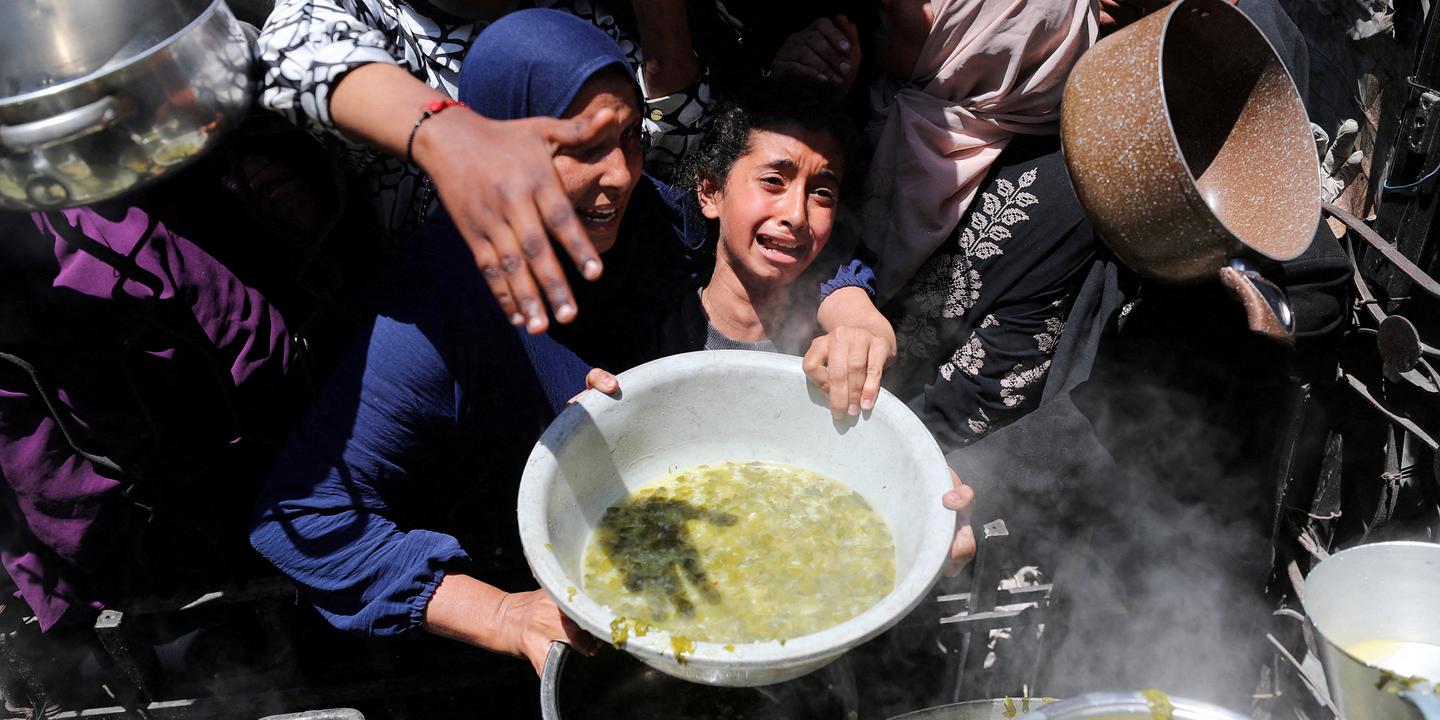
The UN Will Not Participate in the Distribution of Help from the New Foundation Supported by Washington
“I clearly said that we participate in assistance operations in accordance with our basic principles. As we said repeatedly, this distribution plan [of aid to Gaza by the new foundation supported by the United States] does not agree with our basic principles, including those of impartiality, neutrality, and independence, and we will not participate in that,” stated Farhan Haq, the deputy spokesperson of the UN Secretary-General, during a press conference on Thursday.
The **Gaza Humanitarian Foundation** has recently garnered attention, but significant details about its operations remain scarce. Established in February and based in **Geneva**, this initiative received support from the United States last week. However, it remains unclear whether the U.S. has made a direct financial contribution to the foundation. The foundation announced plans to commence aid distribution in the **Gaza Strip** by the end of May, with intentions to distribute approximately **300 million meals** over an initial **ninety-day** period.
In recent weeks, the UN has been vocal about advocating for the reopening of the Gaza Strip to humanitarian aid. However, it has expressed strong opposition to the alternative plans presented by Israel and the new foundation, citing concerns that many inhabitants might be excluded from receiving assistance. Farhan Haq reiterated that “the UN has a plan, an excellent plan ready to be applied as soon as we are allowed to do our job.” He referenced that **171,000 tonnes** of food are currently waiting to enter the territory, stating, “With these provisions, we could feed everyone in the Gaza Strip, probably for four months, efficiently.”
The Israeli ambassador to the UN, **Danny Danon**, has consistently voiced his nation’s reluctance to revert to the previous aid systems, which he argues effectively benefited **Hamas**. He urged UN Secretary-General **Antonio Guterres** to “review your approach” to this new distribution plan. While he assured that Israel would “facilitate” the operations of the foundation, he firmly stated, “We will not finance them.”
The ongoing crisis in Gaza has brought unprecedented attention to humanitarian efforts and the complexities of aid distribution. The **relationship between the UN and the new foundation** is indicative of broader geopolitical realities and tensions. The United Nations has long been perceived as a neutral entity committed to humanitarian efforts, and its refusal to collaborate with a foundation that it believes does not align with its fundamental principles raises numerous questions about the effectiveness of aid distribution in conflict zones.
For the residents of Gaza, the situation grows increasingly dire as various factions and organizations attempt to navigate the intricate web of aid distribution. While the UN claims it has the capability to deliver much-needed supplies, the involvement of various international actors can complicate these efforts. There is a pressing need for a coordinated approach that respects the rights and dignity of all individuals affected by the crisis.
Critics of the new foundation’s plan argue that it may not fully address the scale of the humanitarian crisis in Gaza. Many residents remain skeptical of the proposed solutions and worry that **political interests** could dictate access to life-saving assistance. Humanitarian organizations emphasize the need for impartiality in aid distribution, which is crucial for rebuilding trust among the populace.
The tension between Israel and the UN over aid distribution initiatives highlights the challenges facing humanitarian organizations in conflict areas. In order for the changes in aid strategies to be effective, the voices and needs of Gaza’s residents must be central to discussions and planning. The complexities of international relations must not overshadow the urgent need for humanitarian support.
As the situation evolves, it will be imperative for the international community to closely monitor developments in Gaza. The effectiveness of any aid distribution will depend largely on cooperation among all entities involved, including the UN, local agencies, and international organizations, as well as the willingness of external entities to support an unbiased humanitarian approach.