

The Rise of Protein Coffee: A New Trend in Your Daily Brew
Drinking coffee is a very personal experience. Whether you enjoy its rich flavor, seek its health benefits , or crave that essential ‘shot’ of caffeine, the reasons for indulging in this beloved beverage are varied. Coffee acts as a social catalyst, encapsulated by the phrase “let’s have a coffee.” However, recent years have witnessed a shift in how we perceive coffee—as it rapidly evolves into a functional drink . This transformation is primarily driven by the increasing demand to incorporate protein into our diets.
Take, for instance, the phenomenon that exploded on TikTok in 2021—the emergence of ‘ proffee .’ This term seamlessly combines ‘protein’ and ‘coffee,’ referring to the practice of enriching regular coffee with protein powder. This trend has sparked curiosity and debate over its nutritional implications and overall desirability.
Hacking coffee is taking the beverage to new heights. Enter the ‘broista’—a somewhat tongue-in-cheek term that marries ‘gymbro’ with ‘barista.’ Many fitness enthusiasts are now venturing into cafés, ordering a long coffee, and mixing it directly with their protein shakes . The goal? To convert coffee into a strictly functional drink that elevates performance during workouts, aids in fat burning, and increases daily protein intake.
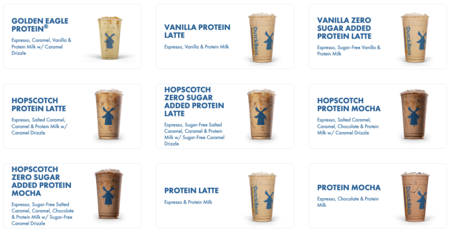
Protein Coffee from Dutch Bros
Dutch Bros. , a popular coffee chain in the U.S., has launched a series of protein drinks to capitalize on this trend. Competing with industry giants like Starbucks, Dutch Bros. introduced items such as the Salted Caramel Protein Latte , boasting 20 grams of protein while ensuring minimal sugar content. The secret behind their success lies in using a unique reduced-fat protein milk enriched with casein proteins, which is now paving the way for various protein-enhanced versions of their most popular beverages.
Starbucks has also taken note of this burgeoning trend, unveiling its own line of protein drinks recently. Customers can choose from options that provide 15 to 35 grams of protein per serving, making it easier for health-conscious consumers to meet their protein needs while still savoring their favorite drinks. The company’s Chief Brand Officer, Tressie Lieberman, stated that the initiative reflects the growing demand for protein among consumers, particularly the younger demographic.
But is it really necessary to add protein to your coffee? Analysts estimate that the market for this functional coffee could reach a staggering $4 billion , potentially expanding to over $14.7 billion by 2034 . The allure is understandable—functioning as a shortcut to achieve the daily protein intake many athletes and fitness enthusiasts strive for. That said, nutritionists provide a note of caution; while protein is undeniably essential, they emphasize that it should not be treated like fairy dust sprinkle it haphazardly onto everything.
Ultimately, it comes down to individual nutritional needs and preferences—some might find a protein shake to be a convenient addition, while others may derive more satisfaction from traditional food sources. As the functional coffee trend continues to evolve, the future of what we drink in the morning seems poised for exciting transformations, encompassing flavors and nutrients that cater to our increasingly dynamic lifestyles.
In our quest for a healthier lifestyle, it’s vital to critically assess how these innovations in coffee culture align with our personal dietary goals. As cafes embrace the fusion of caffeine and protein, consumers will inevitably have to weigh the benefits against the experience of savoring a classic cup of coffee.