
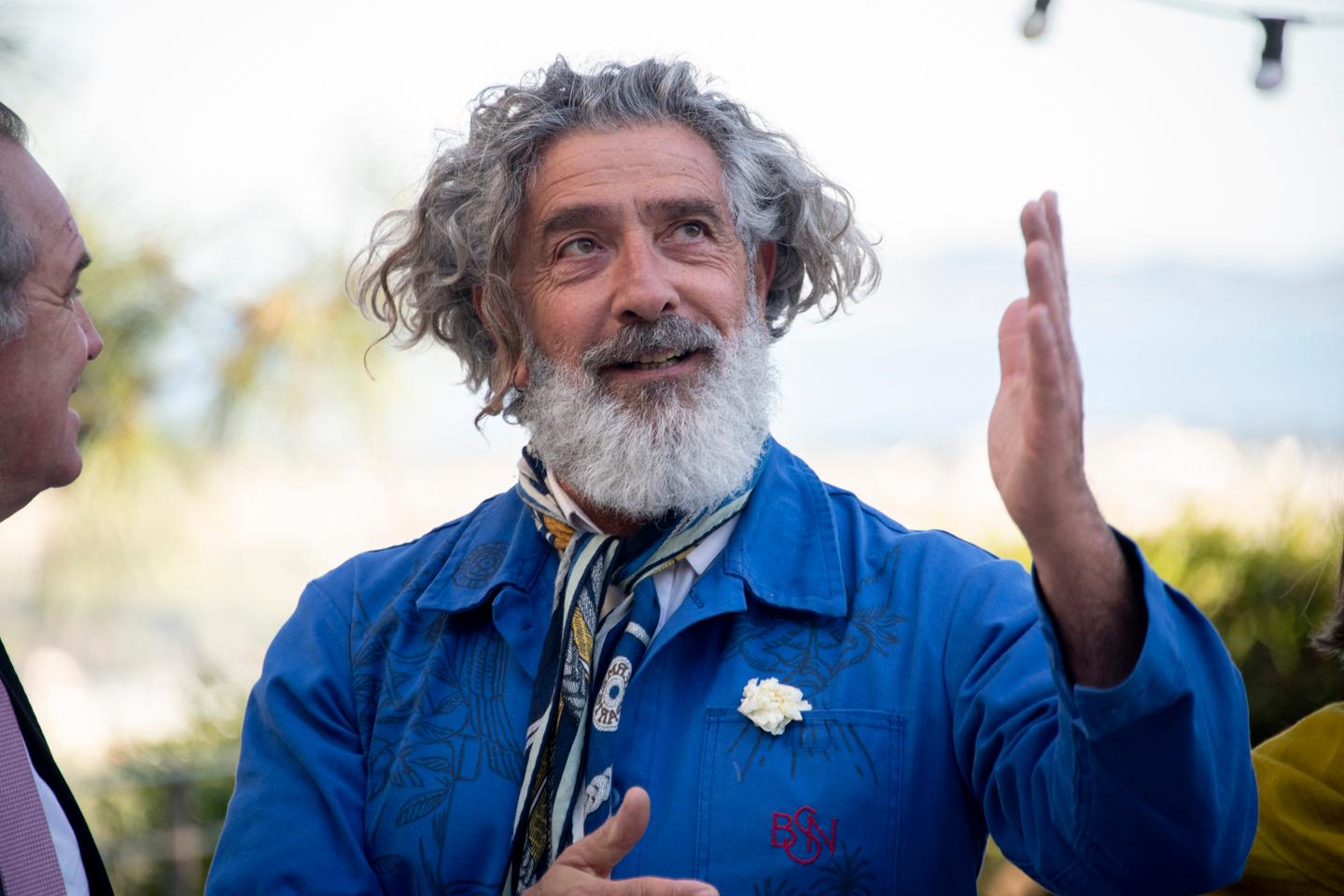
The Recent Controversies Surrounding Jean-Pierre Blanc
Jean-Pierre Blanc, the director of Villa Noailles in Hyères, France, recently found himself at the center of a storm involving serious allegations and media scrutiny. On June 6, 2023, the public prosecutor in Toulon officially denied claims made by Ici, formerly known as France Bleu, suggesting that Blanc was “at the heart of an investigation for holding pedopornographic images .” This came in response to allegations brought forth by a young man from Hyères against Blanc.
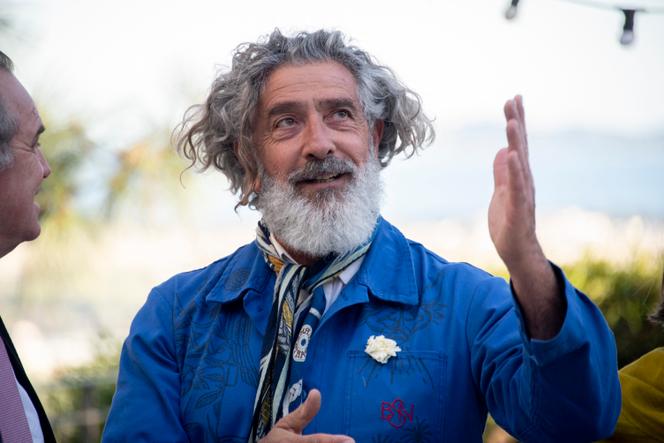
Thus began a series of events that thrust Blanc into the public eye, leading to various media outlets, including Le Monde, amplifying the accusations made against him. This first-hand testimony highlights the seriousness of the situation, generating a mix of public sentiment ranging from outrage to confusion.
Effective communication is of paramount importance in situations like this, especially for public figures who face allegations that can swiftly spiral out of control. Blanc’s decision to file a police complaint for extortion rather than remain silent illustrates an effort to reclaim his narrative and disprove the allegations against him. It begs the question of whether all instances where a public figure’s name is dragged through the mud require a robust defense or if silence might sometimes serve them better.
The emotional toll of such accusations is significant. In the age of social media, where information spreads rapidly, reputations are often shattered before a fair assessment is made. For Blanc, public discourse may inadvertently color perceptions of his character, even after the prosecutor’s denial of the allegations. This underscores the broader societal issue of how we consume and discuss information regarding accusations, especially those as weighty as those involving sexual misconduct .
Impact on Villa Noailles and Cultural Institutions
As the director of Villa Noailles , an important cultural center in Hyères known for promoting art and design, Blanc’s allegations stretch beyond personal ramifications and extend to the institution itself. The Villa Noailles embodies a space that hosts numerous projects celebrating creativity and innovation. With the potential for reputational damage, the situation raises legitimate concerns about the viability of the institution if the public perceives it as being tied to scandal.
Moreover, these allegations come at a time when cultural institutions across the globe are being scrutinized more than ever. How can they maintain their credibility in a world where a single unfounded accusation can jeopardize years of hard work? This scenario posits a challenge for other leaders in the arts and cultural sector, encouraging them to adopt proactive strategies to safeguard their organizations against similar circumstances.
Furthermore, the need for transparency in organizations cannot be overstated. The Villa Noailles could seize this moment to champion a culture of openness and accountability. Engagement with the community through educational programs that address issues surrounding allegations and the importance of integrity in leadership could prove beneficial. In doing so, they could not only protect their reputation but also foster a stronger relationship with the public.
On a broader scale, organizations must prioritize a comprehensive understanding of their leadership and the implications thereof. In this case, the crossroads of personal and professional morality becomes a fundamental discussion point. How should the art community navigate the murky waters when leaders are confronted with allegations?
The incident raises essential discussions about both the protection of individuals’ rights in allegations and the impact such accusations can snowball into. The intricacies of public perception, especially in an age fueled by rapid information sharing, present a complex field that those in influential positions must navigate carefully.
Ultimately, the handling of allegations like those faced by Jean-Pierre Blanc will continue to be scrutinized—and rightly so. Each saga offers a chance for society to address the larger themes of justice, personal accountability, and communal responsibility . By remaining vigilant in how we engage with such issues, we can aim for a more informed discourse that balances sensitivity and support for victims while safeguarding the rights of the accused.
General News – 2