
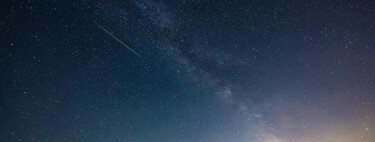
Experience the Perseids: A Guide to Watching the Summer Meteor Shower
The Perseids meteor shower is heralded as one of the most spectacular celestial events of the year, captivating stargazers around the globe. This year, however, stargazing enthusiasts face a unique set of challenges. The full moon on August 8 is expected to diminish visibility during the peak of the Perseids, which occurs around August 12. Light pollution, both natural and artificial, complicates matters further, making it essential to know how to secure the best viewing experience.
Escape the Light
To minimize exposure to natural light pollution, we may need to wait for more favorable conditions. However, we can tackle artificial light pollution ourselves. Knowing the right locations and methods is paramount in optimizing our star-gazing experience.
Finding the Right Location
Navigating through Spain’s vast terrain can be daunting. According to data from the National Institute of Statistics, in 2022, there were 8,131 municipalities in Spain, with nearly 5,000 housing fewer than 1,000 inhabitants. These small towns often feature clear skies and are relatively free from light pollution, making them ideal for watching the Perseids.
Whether you’re planning a quick getaway from a major city or incorporating a star-gazing adventure into your planned trip, there are various tools available to help you find the best observation sites.
Tech Tools to Find Dark Skies
Several technological resources can assist you in finding locations with optimal conditions for viewing the Perseids. For instance, mapping apps developed by the Complutense University of Madrid offer valuable insights for identifying areas with minimal light pollution. Additionally, the application LIGHT POLLUTION MAP – Dark Sky is another excellent resource for ensuring you pick the right spot.
Another essential resource is weather forecasting. To enhance your chances of securing a clear sky , check the predictions provided by the State Meteorology Agency (Aemet). Weather forecasts can be invaluable when planning your star-gazing excursion.
The Rise of Astrotourism
Astrotourism has emerged as a significant economic sector in what some call ” emptied Spain .” Specialty tourism allows travelers to explore rural regions while enjoying the wonders of the universe. Numerous tourism certifications focus on this niche, aiming to promote star-gazing experiences.
Starlight Foundation: Protecting Our Night Sky
The Starlight Foundation plays a crucial role in promoting and protecting the night sky. Founded after the I Starlight International Conference, the organization’s goals include conserving the night sky and fostering cultural appreciation of astronomy. For more about its history, visit the foundation’s official page here.
Since its inception in 2009, the Starlight Foundation has advocated for intelligent lighting approaches and energy conservation measures, helping communities enhance their capability to view celestial phenomena.
Highlighting Certified Locations
If you’re interested in certified star-gazing locations , the Starlight Foundation offers a variety of options. Notably, towns such as Hellín, Navarra; Fuente-Tójar, Córdoba; and Navas del Marqués, Ávila have received certification for their pristine night skies.
Additionally, the foundation has also developed designations for ” Starlight tourist destinations .” These special areas feature premium conditions for enjoying starry nights, free from unwelcome artificial light. Popular certified sites include regions like Chantadam in Galicia and the Monteibérico Region-Almansa Corridor in Castilla-La Mancha.
The foundation provides extensive resources to find various designations, including Starlight reserves , star parks, and rural accommodations that cater to astrotourism enthusiasts. This burgeoning sector presents exciting opportunities for both visitors and local communities.
Astrotourism: A Booming Business
The emergence of astrotourism reflects a growing interest in the intersection of tourism and astronomy . While this trend is not universally accessible across all regions of Spain, places like the Canary Islands and the Balearic Islands boast optimal conditions for clear views of the night sky. Spain’s rural areas, known for their breathtaking landscapes, offer a unique opportunity for tourists and residents alike to immerse themselves in the wonders above.
The Perseids meteor shower may present a challenge this year due to light pollution, yet there are still many avenues, both natural and technological, to enhance your star-gazing experience. Whether you’re a seasoned astronomer or a curious novice, take the time to explore Spain’s night sky in its full glory. You’ll not only benefit from the spectacle but also contribute to the growing interest and appreciation for our universe.