
Understanding Pectus Excavatum and Its Surgical Solutions
The Impact of Pectus Excavatum
Pectus excavatum, or sunken chest, is a congenital deformity characterized by a notable indentation in the chest wall. This condition arises during the formative years and becomes particularly pronounced during adolescence, often affecting 1 in 300 births. Dr. José Miguel Izquierdo, a leading expert in thoracic surgery, highlights that this condition is three to four times more common in male infants than females. While it may often be a cosmetic issue, it can also lead to more severe health complications including cardiopulmonary dysfunction in its most acute forms.
Surgical Techniques for Correction
Dr. Izquierdo emphasizes that there are various surgical approaches for correcting this deformity, each tailored to the severity of the case. Historically, the most conventional methods include:
Ravitch Technique: This is an open reconstructive surgery technique that has been used for over fifty years. It entails the resection of the costal cartilage and repositioning of the sternum, making it suited for more severe cases.
Nuss Technique: A more recent advancement in minimally invasive surgery, this technique involves inserting a metal bar behind the sternum, effectively lifting it to correct the deformity. This method offers shorter recovery times and less trauma compared to the Ravitch technique.
The Introduction of Personalized Silicone Prostheses
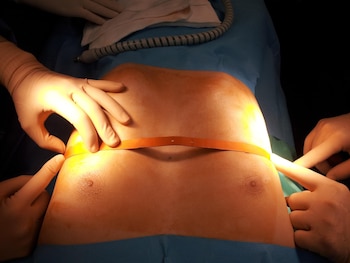
The latest development in addressing pectus excavatum is the use of personalized silicone prostheses. This innovative surgical option, spearheaded by Dr. Izquierdo, allows for a custom-designed approach based on a 3D thoracic scan of the patient.
Patients aged 16 and older can benefit from this less invasive method, which also enables them to correct the aesthetic deformity without altering the underlying bone structure. The quick recovery time is another notable advantage; many patients can return to normal activities within a few days, although they are advised to avoid impact sports for the first three months post-surgery.
Understanding the Psychological Effects
While the cosmetic ramifications of pectus excavatum are evident, Dr. Izquierdo points out the psychological impact it may have, particularly on adolescents. Many young individuals face significant emotional distress due to bullying or self-esteem issues tied to their appearance. Therefore, individualized assessment and a multidisciplinary approach are vital in devising the most effective treatment strategy.
Concluding Thoughts
In conclusion, the advances in surgical techniques for treating pectus excavatum signify a promising new era for patients seeking corrected chest wall deformities. With the introduction of personalized silicone prostheses, patients now have an effective, permanent, and less invasive solution that not only addresses physical concerns but also helps alleviate psychological burdens. The combination of various surgical methods enables tailored solutions, enhancing the quality of life for affected individuals. As healthcare continues to evolve, the focus on individualized care remains paramount, ensuring that each patient’s unique needs are met.