
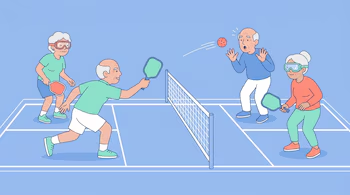
The Rising Concerns of Eye Trauma in Pickleball
Overview of Eye Injuries in Pickleball
The burgeoning popularity of pickleball, often hailed as one of the fastest-growing sports in the United States, has inadvertently led to a troubling rise in eye injuries among American adults. This alarming trend stems from a study conducted by the Houston Methodist Research Institute, published in the medical journal Eye, which documents an increase in eye trauma, particularly among those aged 58 and older.
Statistics on Eye Trauma
Between 2014 and 2023, a total of 7,974 cases of eye trauma were recorded across various sports, including pickleball, dodgeball, and kickball. Notably, pickleball accounted for 2,573 cases, a significant figure compared to the 3,874 injuries linked to dodgeball and 1,527 to kickball. These statistics, compiled by the United States Consumer Product Safety Commission, highlight the urgent need for preventive measures tailored specifically for pickleball players.
Demographic Insights
Unlike dodgeball and kickball, which primarily injure adolescents aged 13 to 15, pickleball injuries predominantly affect adults and seniors. This demographic shift raises concerns as older adults exhibit slower reaction times, increasing their vulnerability to injuries. Furthermore, most pickleball-related incidents occur in community recreation centers, which prompts a need for targeted prevention strategies tuned to the unique circumstances of this setting.
Nature of Eyewear Injuries
Data indicates that the primary cause of eye trauma in pickleball results from ball impacts directly to the face, with falls during play contributing to a lesser extent. This injury pattern diverges from more aggressive sports involving younger players, where speed and power typically escalate injury rates.
Recommendations for Safety Measures
Dr. Andrew Lee, a key figure in the study, underscores the importance of adopting protective eye gear for players, especially those in older age brackets. He emphasizes, “These injuries are preventable. Awareness and the use of basic protection can make a noticeable difference.” Recommendations include:
- Educational Campaigns: Raising awareness about the risks associated with pickleball, especially among older adults.
- Injury Surveillance Systems: Enhancing monitoring and reporting of eye injuries in recreational settings.
- Personalized Protective Eyewear: Advocating for the use of customized eyewear in community facilities to mitigate injury risks.
Health System Implications
The continuous surge of pickleball participation poses novel challenges for health care systems and sports organizations. Experts recommend updating healthcare strategies to accommodate an aging population increasingly engaging in physical activities. The emphasis is on creating robust prevention protocols that consider the unique characteristics of pickleball players.
Conclusion
As pickleball continues to gain traction, the associated rise in eye injuries necessitates immediate attention from health officials and sports organizations. Implementing educational campaigns, enhancing injury surveillance, and promoting protective eyewear can significantly reduce the incidence of eye trauma. Adapting to the evolving landscape of pickleball and its demographic implications is vital for ensuring safer play and protecting a population eager to remain active in their later years.