
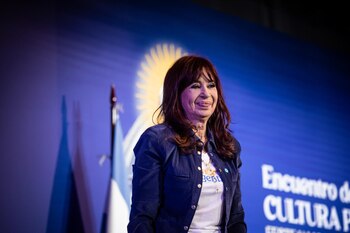
The Supreme Court of Argentina has delivered a conclusive verdict on the case against former President Cristina Fernández Kirchner , affirming a six-year prison sentence and a lifetime ban from holding public office due to corruption charges. This decision effectively bars her from participating in the upcoming legislative elections, marking a significant chapter in Argentine politics.
The Background of the Case
The ruling stems from a case commonly known as the ‘Vialidad Case’ , which centers around allegations that Kirchner misappropriated public funds during her tenure as president from 2007 to 2015. The accusations specifically relate to the awarding of public contracts for road construction, intended to benefit her associates and supporters.
After years of legal battles, this ruling marks a pivotal moment for the former president, who had previously served as the country’s first female president. Her political career has been marred by various corruption allegations, yet she maintained significant support among her base.
The Court’s Decision
In a unanimous decision, the court’s three judges— Horacio Rosatti , Carlos Rosenkrantz , and Ricardo Lorenzetti —rejected her final appeal. The verdict confirms the findings of a lower court, reinforcing the charges that have plagued her political career. Their decision has stirred discussions about accountability for public figures and the judiciary’s role in upholding the law without fear of political backlash.
Political Implications
With Cristina Fernández Kirchner now officially out of the electoral race, the political landscape in Argentina is poised for a shift. Kirchner has been a prominent and polarizing figure in Argentine politics, and her absence will leave a significant void in the opposition coalition, which is vital as the country approaches its legislative elections.
Her position as the leader of the Justicialist Party (PJ) made her a formidable contender against the current government headed by Javier Milei , known for his controversial stance on economic issues. The ruling has taken a toll on her party’s morale and may create opportunities for new leadership to emerge within the opposition.
Public Reactions to the Verdict
The reaction to the court’s decision has been mixed, reflecting the divisive sentiments surrounding Kirchner. Supporters view her as a victim of political persecution, arguing that the judicial system is being manipulated to sideline opposition leaders. Conversely, critics hail the ruling as a necessary step toward eradicating corruption in Argentine politics.
Demonstrations erupted outside the court after the ruling was announced, with supporters and detractors engaging in passionate debates. The discussions reflect a deeply polarized society grappling with its political legacy and the implications of corruption within its leadership.
The Future of Argentine Politics
As Argentina stands on the brink of legislative elections, this verdict may redefine the political landscape significantly. The ruling opens doors for new candidates who may rise to challenge the current administration, but it also poses challenges for the Justicialist Party, which now has to reassess its strategy without Kirchner’s influence.
The country faces pressing issues, including economic instability, rising inflation, and social unrest. How the political parties navigate these challenges amidst changing dynamics will be paramount for Argentina’s future stability and growth.
Ultimately, the recent court decisions and their implications highlight the ongoing struggle between accountability and political power in Argentina. With corruption remaining a critical concern, the populace’s demand for transparency and justice will likely shape the upcoming electoral processes and the overall future of governance in the country.