
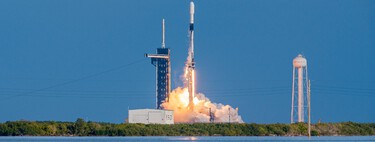
SpaceX’s Starship V3: A Step Closer to Lunar Exploration
Elon Musk’s SpaceX is on the brink of a significant milestone with the anticipated launch of its next-generation Starship, set for May. As the clock ticks down to this historic event, the company has been busy conducting vital static tests, including engine ignitions. Following a minor incident in an earlier test, the second ignition test went off without a hitch, signaling that launch preparations are advancing smoothly.
Breaking Down the Ignition Test
On April 14, SpaceX achieved a crucial milestone by performing a complete static ignition test of the upper stage engines. While the first stage test was cut short due to a failure in ground equipment, the second test demonstrated the full ignition of all engines. This successful test not only confirms the efficacy of the enhancements made to Starship V3 but also sets the stage for its inaugural flight.
Why Static Ignition Tests Matter
Understanding the necessity of these tests is crucial. Rocket engines are highly intricate and sensitive components, often the source of failures during launches. Issues can arise not only from the engines themselves but also from the fuel filling systems. Static ignition tests serve an essential purpose, allowing engineers to start all engines proactively to identify any anomalies before launch. Fortunately, no anomalies were detected in Starship V3, indicating that everything is proceeding as planned.
The Enhanced Capabilities of Starship V3
Starship V3 boasts significant upgrades over its predecessor, measuring 124.4 meters—1.2 meters taller than Version 2. This state-of-the-art spacecraft is equipped with advanced V3 Raptor engines that offer enhanced power and performance. SpaceX has announced that Starship V3 can transport more than 100 tons to low Earth orbit, a notable increase from version 2’s capacity of just 35 tons. This leap in capability positions Starship V3 as a serious contender in the ongoing race for lunar exploration.
Is SpaceX Ready for the Moon?
With NASA’s successful Artemis II mission fresh in mind, all eyes are now on Artemis III, which aims to land a new crew on the Moon. For this ambitious endeavor, NASA requires a top-tier rocket, making Starship vital to their plans. Currently, two private companies are competing in this space: Blue Origin, with its Blue Moon project, and SpaceX, focusing on Starship.
Initial speculation favored SpaceX as the frontrunner for lunar missions. However, delays have raised concerns that Blue Moon might take the lead. Thus, the progress of Starship V3 is promising news for SpaceX as they gear up for their upcoming May launch. In just a few weeks, the world will see if Starship V3 lives up to expectations and cements its place in the next chapter of lunar exploration.
Images | SpaceX
In Xataka | In 2018, Elon Musk put his own car into orbit. Eight years later it is still circling the Earth.