
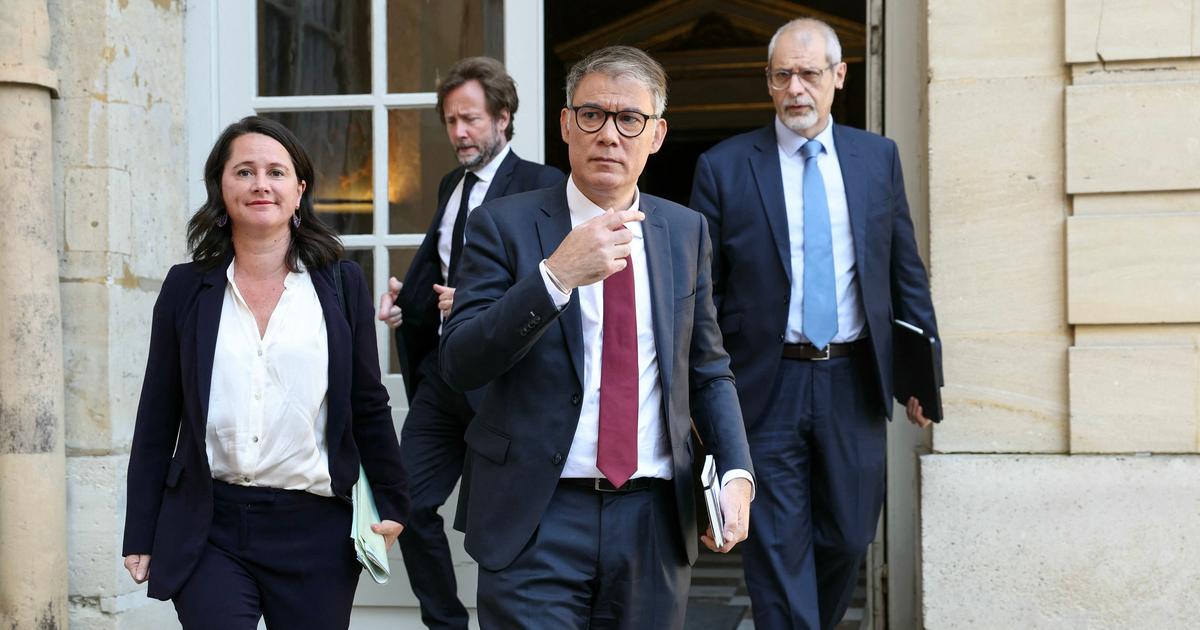
The Current Debate on Agricultural Policies in France
The debate on agricultural policies is heating up in France as the Assemblée nationale prepares to examine the controversial Duplomb law proposal. This proposal, primarily focusing on the agricultural sector, has sparked significant uproar particularly among environmentalists and opposition parties.
The Controversy Surrounding the Duplomb Law Proposal
The Duplomb law proposal aims to introduce several changes to the way agriculture is regulated in France. Critics, including Olivier Faure, the leader of the Parti Socialiste (PS), argue that it represents a significant shift towards agro-industrial practices. Faure has termed the proposal a "premature retreat into industrial agriculture” and has cited the reintroduction of neonicotinoids as a major concern. Neonicotinoids are a class of pesticides linked to various environmental issues, including the decline of bee populations.
This proposition has ignited a fierce debate over the balance between agricultural productivity and environmental sustainability. As Faure noted, the law could potentially allow for the construction of factory farms and megabassins, which he describes as a “privatization of water for the benefit of a few.” Such changes underscore a growing divide in the political sphere, often delineated along right-wing and left-wing lines, leading to accusations of environmental negligence.
Concerns Over Environmental Impact
One of the most prominent issues raised is the environmental implications of allowing neonicotinoids back into agricultural practices. According to Faure, the adoption of the Duplomb proposal could lead to greater biodiversity loss and increased challenges in controlling pests. He emphasized, "We are heading towards a collective suicide," acknowledging that while some aspects of the proposal might be beneficial, the overall impact could be highly detrimental.
The political climate surrounding this proposal has been exacerbated by the fact that over 3,400 amendments have been submitted, mainly from ecologist and Insoumis representatives. Faure has characterized this as a clear indication of the seriousness of the issues at stake, placing the government’s approach under scrutiny for potentially stifling valuable public debate.
Parliamentary Maneuvering
Olivier Faure has vocally opposed the government’s strategy, describing it as a desperate attempt to sidestep critical discussions. He criticized the central bloc’s last-minute maneuvering, aiming to use a preliminary rejection motion to prevent the proposal from being fully examined. This tactic could effectively push the proposal directly to a mixed parliamentary commission, circumventing a vital public debate about agricultural policies.
Faure has contended that the government has not been proactive in seeking solutions in collaboration with the parliament, instead exploiting the obstruction from a few to avoid addressing what he sees as an essential public health issue. The delay and manipulation have drawn ire not just from the opposition but also from various stakeholders who are concerned about the future of sustainable agriculture.
The Need for Open Debate
Faure insists that open debate is crucial for a democratic process, particularly when discussing legislation that impacts public health and environmental safety. He rebukes the government’s tactics, stating, “It is essential that this debate occurs.” He contends that failure to engage thoroughly with the proposed law reflects deeper unresolved differences within the coalition regarding the use of pesticides.
As tension rises over the Duplomb law, many observers caution about the dire consequences its adoption could entail. Issues such as water privatization and the introduction of toxic pesticides raise ethical questions about the balance between economic gain and ecological responsibility.
Calls for Action and Wider Implications
In light of the mounting tension surrounding agricultural legislation, Olivier Faure has called for a European-wide ban on pesticides that endanger biodiversity and ecosystem health. He warns that without decisive action, France could face even more severe environmental challenges in the future, including increased pest problems and detrimental effects on overall biodiversity.
The ongoing debates within the Assemblée nationale reflect broader global concerns about how governments manage agricultural practices in an era marked by climate change and ecological degradation. As countries grapple with the need for food security on one hand and environmental preservation on the other, the outcomes of France’s deliberations on the Duplomb proposal may serve as a bellwether for future legislative actions both domestically and internationally.
In conclusion, the Duplomb law proposal encapsulates not only the current divide in French politics but also broader global agricultural challenges that need urgent attention. As Olivier Faure aptly put it in his criticism, the approach taken by the government underscores a critical juncture in determining the future trajectory of sustainable agriculture in France.
Invité sur BFMTV, Olivier Faure a dénoncé la «manœuvre de dernière minute» du bloc central pour empêcher l’examen du texte.