
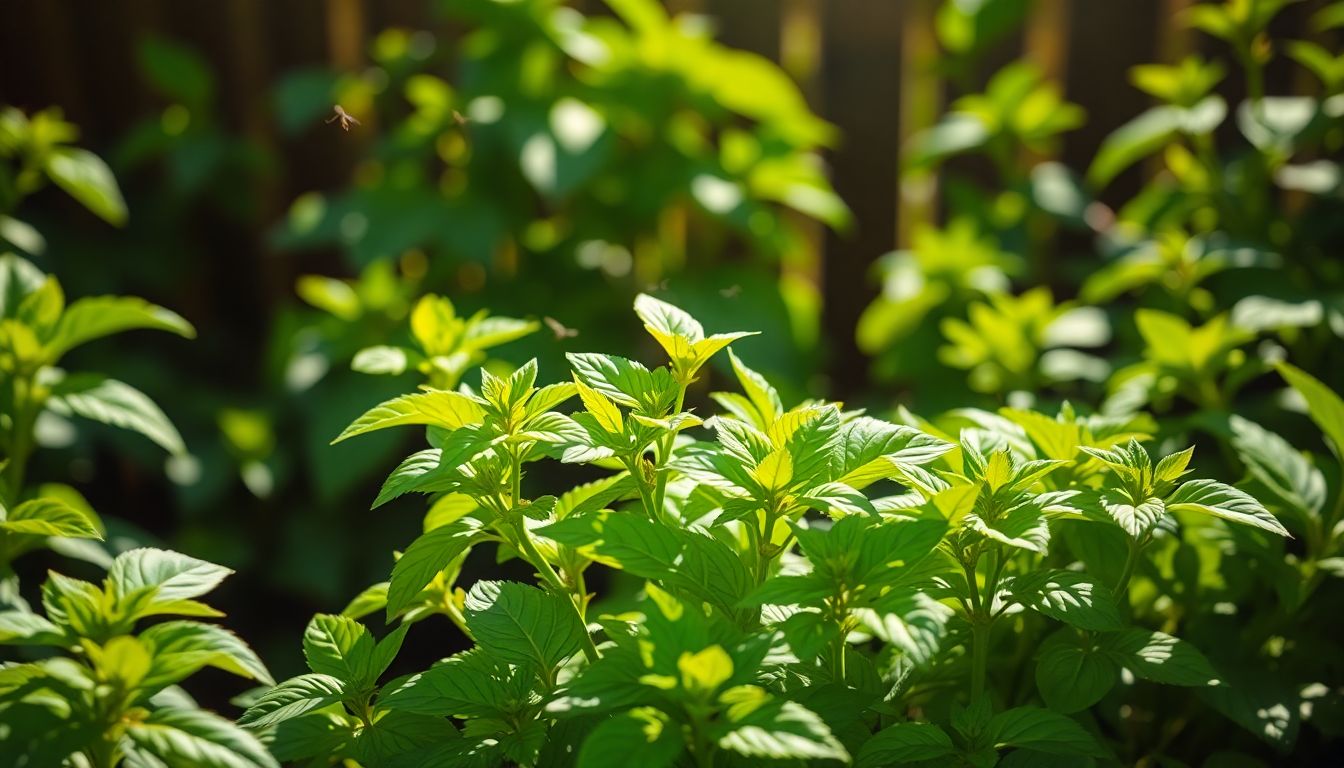
As the sunny days return, so do the mosquitoes . These pesky insects can quickly turn a pleasant summer evening into a nightmare. With chemicals that can be harmful and expensive electronic solutions, there exists a natural and affordable alternative: basil . This culinary herb not only enhances your dishes but also has mosquito-repelling properties. The good news? June is the perfect month to plant it! Discover how this simple act can help you enjoy your summer without being devoured by pests.
Why Does Basil Deter Mosquitoes?
Basil is more than just a delicious herb in our Mediterranean dishes. This plant naturally emits volatile compounds that disturb mosquitoes, sending them away.
The Repelling Compounds in Basil
Basil contains several substances that act as natural repellent against mosquitoes:
- Eugenol: A compound found in basil leaves, recognized for its insect-repelling properties.
- Essential oils: Naturally present in the plant, they create an olfactory barrier that mosquitoes dislike.
- Linalool: Another aromatic compound in basil that disrupts the nervous systems of insects.
According to a study published in the Journal of the American Mosquito Control Association, basil oil can repel up to 100% of mosquitoes for several hours. While the plant itself is less concentrated than its essential oil, it still emits enough of these compounds to form a protective perimeter.
Which Varieties of Basil Are Most Effective?
All basil varieties have repelling properties, but some stand out as particularly effective against mosquitoes.
Lemon Basil: The Ultimate Mosquito Fighter
Lemon basil (Ocimum × citriodorum) is considered the most effective variety against mosquitoes. As its name suggests, it emits a strong lemon scent that mosquitoes particularly dislike. This variety combines the repellent properties of classic basil with the efficacy of lemon, creating a double barrier against insects.
Other Effective Varieties
- Cinnamon basil (Ocimum basilicum ‘Cinnamon’): Its spicy aroma is very unpleasant for mosquitoes.
- Thai basil (Ocimum basilicum var. thyrsiflora): Rich in eugenol, it serves as an excellent repellent.
- Holy basil or Tulsi (Ocimum sanctum): Traditionally used in India for its medicinal and repelling properties.
How to Plant Basil in June for Optimal Effect?
June is the perfect time to plant basil. With the risk of frosts behind us, the plant will have the entire summer to grow and protect you.
Choosing Strategic Locations
To maximize the repelling effect of basil, it’s essential to plant it in strategic locations:
- Near windows and doors to prevent mosquitoes from entering.
- On window sills of bedrooms.
- Around terraces and balconies where you spend your summer evenings.
- Near water points (but not too close to avoid excess moisture).
- In mobile pots that you can relocate as needed.
The goal is to create a true plant barrier around your living space by multiplying the basil plants.
Ideal Conditions for Optimal Growth
| Element | Ideal Conditions |
|---|---|
| Sunlight | Minimum 6 hours of sunlight per day |
| Soil | Rich, well-drained, slightly acidic (pH 6-7) |
| Watering | Regular but without excess; allow the soil to dry slightly between waterings |
| Temperature | Between 18°C and 30°C |
| Spacing | 20-30 cm between each plant |
Steps to Planting in June
- Prepare the soil by enriching it with compost or quality potting soil.
- If planting in pots, ensure there are drainage holes.
- Plant your purchased basil seedlings or pre-grown seeds.
- Water thoroughly after planting.
- Mulch the soil to maintain moisture and limit weeds.
A gardening tip: to encourage bushier and more effective basil against mosquitoes, regularly pinch back the tips to promote plant branching.
How to Amplify the Repelling Effect of Basil?
While basil alone is effective, several simple actions can enhance its repelling power against mosquitoes.
Crushing the Leaves: An Essential Action
To release more essential oils, it’s recommended to lightly crush the basil leaves, especially before times when mosquitoes are most active (evening and early night). This simple act immediately releases more repelling compounds into the air.
You can gather a few branches of basil and place them on your outdoor dining table, lightly crushing them to maximize their effectiveness.
Combining with Other Repellent Plants
To create a true mosquito barrier, combine basil with other plants that have similar properties:
- Lemongrass: The ultimate mosquito deterrent.
- Lavender: Its scent pleases humans but repels insects.
- Mint: Very effective and easy to cultivate.
- Scented geranium or citronella geranium.
- Lemon eucalyptus: A potent natural repellent.
These plants, when combined with basil, create a true plant shield against mosquitoes while beautifying your garden or balcony.
Complementary Uses of Basil Against Mosquitoes
Beyond simple planting, basil can be utilized in various ways to repel mosquitoes.
Homemade Preparations with Basil
Here are some simple recipes to make the most of basil’s repelling properties:
Repellent Spray with Basil
Ingredients:
- 100g of fresh basil leaves
- 200ml of water
- 100ml of 70° alcohol (optional, for better preservation)
Preparation:
- Finely chop the basil leaves.
- Boil the water and pour it over the chopped leaves.
- Let it steep for 24 hours.
- Strain and add alcohol if desired.
- Transfer to a spray bottle.
Use the spray on exposed areas of your body (avoid the face) or mist it in the air before settling outside.
Basil Repellent Candle
You can make repellent candles by adding crushed dried basil leaves to melted soy wax, then pouring the mixture into suitable containers with a wick. Once lit, these candles will disperse basil’s repelling compounds.
Basil on Your Plate: Double Benefit
Regularly consuming basil during the summer offers an unexpected advantage: certain compounds in basil, once metabolized by our bodies, are partially excreted through the skin and may help repel mosquitoes. While this effect is less potent than direct use of the plant, it’s a welcome bonus.
Incorporate basil into your salads, pestos, tomato sauces, and other summer dishes to enjoy this double benefit: flavorful cooking and extra protection against mosquitoes.
Maintaining Your Basil All Summer for Continuous Protection
To keep your basil effective against mosquitoes throughout the summer, some upkeep is necessary.
Watering and Fertilizing
Basil requires regular but moderate watering. Constantly wet soil can rot the roots, while a lack of water can stress the plant and reduce its production of repelling essential oils.
To stimulate growth and the production of repelling compounds, consider fertilizing your basil every 3-4 weeks with diluted organic liquid fertilizer. Fertilizers high in nitrogen will promote leaf development.
Pruning and Harvesting
Regular pruning of basil is essential for a bushy and productive plant:
- Regularly pinch back the tips of the stems to encourage branching.
- Remove flowers as soon as they appear to prolong leaf production.
- Harvest leaves from the top, cutting just above a pair of leaves.
The more you prune your basil (reasonably), the bushier and more effective it will become against mosquitoes. This pruning stimulates the production of repelling essential oils.
Protection Against Diseases
Basil can be vulnerable to certain diseases, such as downy mildew and fusarium. To keep it healthy:
- Avoid wetting the foliage while watering.
- Ensure proper air circulation between plants.
- Monitor for spots on leaves and quickly remove affected parts.
- In the event of an aphid infestation, spray a soapy water solution.
A healthy basil plant will produce more repelling compounds, offering you more effective protection against mosquitoes.
Testimonials and Proven Effectiveness
Many gardeners and enthusiasts of natural solutions attest to the effectiveness of basil against mosquitoes. Marie, a resident of southern France, shares: “Since I’ve placed pots of basil on my terrace, summer evenings have become much more enjoyable. I crush a few leaves before settling outside, and the difference is striking.”
Scientific studies confirm these empirical observations. Researchers from Graz University in Austria demonstrated that basil’s essential oils significantly reduced mosquito activity in a closed space.
It’s worth noting that while the effectiveness of basil is real, it has limits. In areas with a high concentration of mosquitoes or during peak activity times, it may be wise to combine this natural method with other protection means.
Advantages and Limitations of This Natural Method
The Undeniable Benefits of Basil
- 100% natural solution without harmful chemicals.
- Economical compared to commercial repellents.
- Dual purpose: repellent and culinary herb.
- Aesthetic: enhances your outdoor space.
- Presents no danger to children and pets.
- Contributes to biodiversity by attracting pollinators.
The Limitations to Be Aware Of
Despite its many advantages, basil as an anti-mosquito repellent has some limitations:
- Effectiveness less immediate than chemical products.
- Requires regular maintenance to remain effective.
- Limited effective range of a few meters around the plant.
- Less suited for high mosquito infestations.
- Reduced effectiveness on days with strong winds that disperse volatile compounds.
To maximize benefits while compensating for these limits, feel free to multiply basil plants and combine them with other natural protection methods.
So, are you ready to plant basil this June for a more serene summer? This simple, economical, and ecological gesture could transform your summer experience. And even if its effectiveness isn’t total, you’ll always have fresh basil to spice up your dishes. A winning solution worth trying!