
## The Hidden Corners of the Spanish Senate: An Inside Look
The Senate of Spain has opened its doors this week, offering a rare glimpse into previously inaccessible areas and treasures that embody the nation’s rich history. This initiative is not only about architecture; it is a celebration of the cultural and political heritage that the Senate represents.
### A Neo-Gothic Marvel: The Senate Library
Among the highlights of this initiative is the stunning neo-Gothic library, designed by Emilio Rodríguez Ayuso and constructed in 1882. Inspired by the British Parliament, this architectural gem houses over 340,000 volumes. Comprising approximately 105,000 historical texts and more than 235,000 modern titles, the library is a treasure trove for book enthusiasts. Unique elements from the historical collection can even be accessed digitally through the Senate’s website.
### The Journey Begins: Key Facilities on Tour
The tour kicks off in the Old Plenary Hall, marked by the symbolic opening of the ‘King’s Door’ by the Senate president, Pedro Rollán. This door is typically reserved for significant events. Following this, visitors will navigate through the Honorary Offices of the Presidency, the Conference Hall—dubbed the “Lost Steps Room”—and admire the stunning works housed within the Manuel Broseta Pont and Manuel Giménez Abad rooms. Finally, the tour culminates with the library, leading participants to exit via Calle del Reloj.
### The Senate Throne: A Symbol of Political History
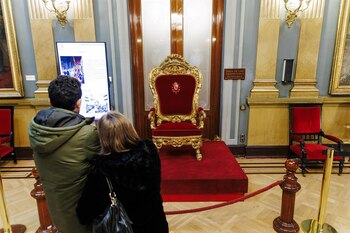
Another fascinating aspect of the tour is the neo-baroque throne situated in the Conference Room. Made from intricately carved and gilded wood, this chair has a storied history intertwined with both the monarchy and Spain’s political transformations. Historically used by monarchs such as Isabel II and Alfonso XII, the throne was also present during the dictatorship of Francisco Franco. Originally, the Senate boasted two thrones, but only this one remains, a significant relic of political legacy.
### Restorative Features and Historical Commemorations
This event also showcases restored elements, including tombstones commemorating the first presidents of the Cortes of Cádiz, which are displayed in the Hall of Pasos Perdidos. Names of other prominent Senate presidents from the early 20th century have also been added, creating an atmosphere steeped in history and respect for the figures who shaped the Senate.
### Accessibility and Importance of the Initiative
Access to these unique spaces is facilitated by the Senate through the mandatory presentation of an ID, while also ensuring the accessibility of facilities with ramps. The event underscores the importance of making the Senate’s historical and cultural heritage more approachable to the public, inviting citizens to appreciate the architectural and political narratives housed within these walls.
### Conclusion: Bridging History and the Public
The Senate’s initiative serves not just as an invitation to explore its architectural treasures but also as a platform to enhance public understanding of its significant cultural heritage. With features like the neo-Gothic library sailing through time and the throne that witnessed pivotal moments in Spanish history, visitors are bestowed the experience of walking through the pages of Spain’s political saga.
By promoting these open days, the Senate fosters a connection between the people and their democratic institutions, inspiring a newfound appreciation for the nation’s history and its ongoing narrative.