
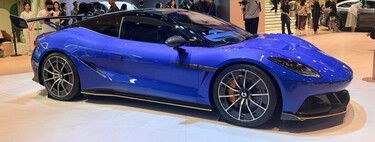
The Rimac Nevera R: Speed and Sales Struggles
The Rimac Nevera R has captivated automotive enthusiasts worldwide with its remarkable speed and power . As an electric hypercar, it has set multiple speed records , reaching an astonishing 431.45 km/h . However, despite this impressive performance, the vehicle has failed to win over affluent buyers, leading to a peculiar paradox in the motor world.
While fans of motorsport applaud the technological advances featured in this groundbreaking electric hypercar, the reality of its sales falls short of expectations. The Rimac Nevera R, despite its dominance on the track, highlights the growing divide between performance accolades and commercial viability.
A World Speed Record That Is Not Enough
The Rimac Nevera R is hailed as the new champion for production electric cars, clinching the title by reaching a remarkable speed of 431.45 km/h . However, its reign faced challenges when it was surpassed by the Xiaomi Su7 Ultra at the Nürburgring, a venue revered for its demanding track conditions. Despite the Xiaomi model being a sedan rather than a hypercar, it now holds the record for the fastest electric car on that legendary circuit.
Mate Rimac, the founder of Rimac Automobili, remarked, “Beating records is in our DNA, and we will not stop here.” Yet, a report from Bloomberg indicates that the Nevera R has not achieved the expected commercial impact despite its record-breaking feats.
Why Don’t Millionaires Want the Nevera R?
One plausible explanation for the underwhelming demand for the Nevera R is the preference among wealthy buyers for traditional combustion hypercars . In an interview for Coach , Mate Rimac suggested, “The market for electric hypercars is very limited. Most buyers in this segment still want the drama and emotion of an internal combustion engine.” This reluctance to embrace electrical alternatives significantly constrains the potential market for the Nevera R, regardless of its astonishing specifications.
Rimac’s statement that it is “unlikely we will manufacture another electric hypercar in the short term” reflects the ongoing struggle to convince high-net-worth individuals to pivot away from gasoline—despite the mind-boggling figure of 431.6 km/h being just one aspect of the vehicle’s appeal.
Only 40 Units and Record Power
The Rimac Nevera R is a limited edition version of the original Nevera, boasting an incredible 2,017 horsepower , boosted from 1,877 hp. While a mere 150 units of the original Nevera were produced, the Nevera R’s numbers are even more exclusive, with only 40 units slated for production, emphasizing its extraordinary scarcity in the electric hypercar market.
With each unit priced at approximately €2.3 million before taxes, the Nevera R occupies the upper echelon of luxury electric vehicles. Yet, this combination of power and exclusivity has not been sufficient to entice the wealthiest buyers, who appear to lean towards other options in the hypercar arena.
Porsche Is Worried About Rimac’s Sales
Porsche’s interest in Rimac adds another layer of complexity to the Ever-Nevera saga. As a 20% stakeholder , Porsche has a vested interest in Rimac’s financial success. According to Porsche’s annual report , “The profitability of our investments in Rimac depends on the commercial success of its models.” This association underscores the significance of Rimac’s sales figures, which have reportedly stagnated, resulting in a shocking 46% drop in profits to €182 million .
As of May 2024, Rimac had delivered just 50 units of the Nevera out of the planned 150. In light of this, the additional 200 hp offered by the Nevera R may not sway millionaires enough to add their names to the list of potential buyers. It seems the time might not be ripe for electric supercars to thrive in the high-end market.
In conclusion, while the Rimac Nevera R stands as a testament to cutting-edge technology and speed, its commercial struggles reflect a deeper resistance within the hypercar community to embrace electrification. The allure of traditional performance from combustion engines continues to hold sway over wealthy consumers, posing challenges for manufacturers like Rimac as they navigate this evolving landscape.