
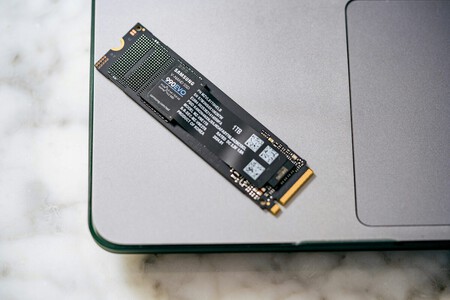
The current landscape of building your own PC is fraught with challenges, primarily due to a significant crisis in the memory sector. This “memory crisis” is not just a minor hiccup; it is manifesting as rising prices for NAND memories, which are essential for SSDs, and DRAM utilized in computers and laptops. As a result, prospective builders should brace themselves for heightened costs and limited availability.
The Memory Crisis Is Far from Resolved
Micron Technology, a leading player in the DRAM and NAND markets, recently provided some sobering insights regarding the industry’s future. In a report detailing their results, CEO Sanjay Mehrotra referred to the “tight conditions” expected to “persist through and beyond 2026.” This forecast indicates that those hoping for a return to normal pricing and availability might be disappointed for years to come. This perspective is particularly crucial for anyone considering building or upgrading a PC in the near future.
The factors fueling this crisis go beyond simple supply and demand. Micron has reported record revenues of $13.64 billion last quarter, up from $8.71 billion during the same period the previous year, largely driven by the burgeoning demand from AI technologies. Even with an expected 20% increase in DRAM and NAND shipments next year, Micron acknowledges that this boost will not suffice to balance the market dynamics.
Shifts in Production Focus
The domestic market’s challenges are compounded by Micron’s strategic shift towards High Bandwidth Memory (HBM), designed for high-performance data center systems. HBM uses three times more silicon wafers than conventional DRAM, meaning that fewer units can be produced for consumer segments. This decision does not eliminate consumer-grade memory; rather, it deprioritizes it, putting additional strain on availability.
These evolving dynamics are already affecting PC builders. Notably, the prices for DDR5 memory kits are escalating, and the pressure extends beyond just cost; it encompasses shortages as well. Moreover, Micron’s recent decision to cease selling consumer products under the Crucial brand contributes to a dwindling number of available options, intensifying competition among remaining brands.
Micron is pushing its business toward HBM.
Looking Ahead: What it Means for PC Builders
If Micron’s roadmap reveals anything, it’s that a return to standardization is not imminent. While investments and capacity are increasing, the landscape is evolving over a timeline measured in years—not weeks. For those considering purchasing or building a PC, it’s prudent to accept that memory will remain a sensitive component in terms of both pricing and availability for a considerable time.
In summary, the memory crisis poses significant hurdles for PC enthusiasts and builders. Until supply chains stabilize and production priorities shift back towards consumer memory, potential builders would do well to plan their projects with these realities in mind.
Images | Micron | Samsung