
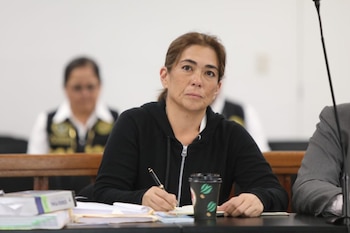
The Rise and Fall of Sada Goray: A Deep Dive into Corruption in Peru
Sada Goray, a businesswoman with strong ties to the Peruvian Ministry of Housing, was embroiled in a corruption scandal that shook the foundations of the nation’s political and business landscape. Arrested at the Jorge Chávez airport on July 7, 2023, her plight and the ensuing investigations have captured national attention and sparked discussions on accountability in governance.
The Prosecutor’s office accessed the content of Goray’s iPhone 13 Pro Max seized during her arrest. The device provided crucial evidence linking Goray to a web of corruption involving officials from the government of former President Pedro Castillo (2021-2022).
Key Evidence from a Seized Phone
According to a report by the newspaper Peru21, the phone contained essential documents, photographs, payment records, and conversations confirming Goray’s involvement in corruption. Among the findings was an Excel file labeled "Summary of Loans," detailing transactions involving two key witnesses—Víctor Chong and Martín Montoya, both of whom have since died.
Montoya, identified as a close associate of Goray, reportedly lent her $250,000 to facilitate bribes to officials in the Ministry of Housing. The phone also revealed payments documented in a notebook, showcasing various amounts exchanged between Goray and her associates. Notes included entries like “I delivered Mrs. Sada (for Martín M. $20,000) 09/24/21” and other significant amounts leading to a total of 100,000 soles.
The Role of Witnesses and Financial Transactions
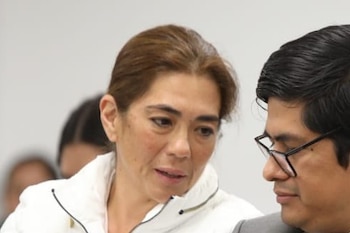
Goray’s uncle, Victor Chong, also became a critical figure in the investigation after he died in February 2023. Prosecutors noted that large sums of money flowed through his bank accounts from associates close to Goray. Reports reveal that his name surfaced multiple times in connection with various amounts accruing to 400,000 soles, $50,000, and $120,000 among others. The ability to trace these financial links suggests a well-coordinated operation centered on bribery.
Messages between Goray and her then-lawyer, Italo Arbulú, revealed concerns about potential betrayals by Montoya. Communications indicated that Montoya was allegedly revealing details about Goray’s corrupt dealings—a betrayal that posed significant risks to her operations.
Continued Investigations and Legal Battles
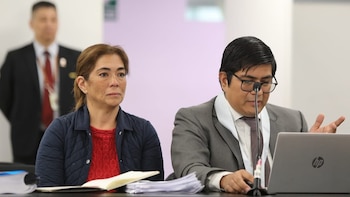
The investigation led by the Public Ministry has yet to conclude, with more evidence expected to emerge from the opening of a second phone associated with Goray. Her defense claims that this device belonged to her daughter, complicating matters further. The official stance of the prosecution does not accept this explanation, viewing it as a delay tactic in an already drawn-out legal battle.
Goray’s previous legal struggles had seen her released in August of the prior year, when the Supreme Court overturned a 30-month pretrial detention request. The corruption web she is tangled in includes charges of paying bribes to secure lucrative contracts for her real estate company, Marka Group.
The revelations surrounding Goray have become a cautionary tale in Peru’s ongoing struggle with corruption, raising pressing questions about governance and the responsibilities of public officials. The story continues to unfold, leaving the nation anxious about the repercussions and lessons to be learned from this scandal.