
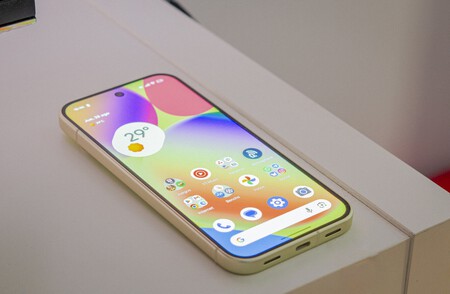
As we kick off 2026, four compact mobiles are making waves in the market: the Xiaomi 17, Samsung Galaxy S26, Google Pixel 10, and Apple iPhone 17e. For users who prefer small, manageable devices, these smartphones offer a range of features that cater to diverse needs. Let’s explore the pros and cons of each phone to help you choose the best compact mobile for your preferences.
The Differences Between the Best Compact Phones of 2026
Screens: Similar Sizes, Yet Distinct Features
All four phones feature screens that are quite similar in size, ranging from the iPhone 17e’s 6.1 inches to the Xiaomi 17 and Pixel 10’s 6.3 inches. They are well-suited for one-handed use. However, they differ in resolution and refresh rates: while most devices offer Full HD+, Xiaomi ups the ante with a slightly higher 1.5K resolution. Notably, the iPhone 17e only supports a 60 Hz refresh rate, making it less fluid for scrolling and gaming when compared to the others that boast 120 Hz.
Performance: Processor and RAM
All phones deliver impressive performance, but the differences lie in their processors. The competition stands as follows:
- Xiaomi 17: Snapdragon 8 Elite Gen 5
- Galaxy S26: Exynos 2600
- Pixel 10: Google Tensor G5
- iPhone 17e: Apple A19
With 12 GB of RAM across the board, except for the iPhone 17e, which has 8 GB, performance will be robust, especially in gaming and multitasking. The Snapdragon 8 Elite Gen 5 tops the list, while Google’s Tensor G5 still lags behind Qualcomm’s offerings.
Battery Life: Xiaomi Leads the Charge
Xiaomi takes the crown with a remarkable 6,330 mAh battery, alongside 100W fast charging—allowing users to power up in no time. In comparison, the Pixel 10 and Galaxy S26 fall short with their respective 4,970 mAh and 4,300 mAh batteries. The iPhone 17e remains a mystery as Apple has yet to disclose its battery capacity, but it traditionally excels in efficiency.
Camera Capabilities: A Mixed Bag
In terms of camera setups, the three Android devices feature triple-camera systems, providing versatile photography options. In contrast, the iPhone 17e sticks to a single rear camera, limiting versatility compared to its competitors. While all cameras can deliver impressive results, users might miss the multi-lens flexibility found in the Android options.
Operating Systems and Software
Apple’s iPhone 17e runs on iOS 26, ensuring longevity with updates until 2032. However, it somewhat lacks advanced AI integration. Google’s Pixel 10 shines with a pure Android experience and excellent Gemini AI integration. Samsung’s One UI also features advanced AI capabilities, while Xiaomi’s HyperOS 3, although customizable, may come with excessive bloatware.
Who Should Choose Which Compact Phone?
Xiaomi 17: The Powerhouse
- For those seeking unparalleled performance and battery life.
- Offers a robust camera system with Leica lenses.
- Fast charging makes it a convenient choice for heavy users.
Samsung Galaxy S26: The Lightweight
- Ideal for users who favor a lightweight device—only 167 grams.
- Great AMOLED display quality and custom UI for enhanced user experience.
Google Pixel 10: The Photography Enthusiast
- Best for those who prioritize camera capabilities and raw Android performance.
- Seamless integration with Google services and AI functionalities.
Apple iPhone 17e: The Budget-Friendly Option
- Perfect for users in the Apple ecosystem.
- Provides great longevity and excellent performance at a more accessible price.
Conclusion
Ultimately, the best compact mobile depends on your unique requirements. Whether it’s processing power, camera quality, lightness, or budget, each of these phones has its pros and cons. Evaluate your needs and preferences to select the one that best fits your lifestyle.