

The Transformation of Naples: From Chaos to Commercialism
Naples , a city historically tied to Diego Maradona , vibrant street life, and the persistent presence of camorra , is undergoing an unexpected transformation. Once a cultural hub linked to football and local traditions, it is now swarmed by tourists, rapidly overshadowing its authentic identity. Many residents find themselves confronting the intense pressure of mass tourism, which is reshaping their everyday lives and local traditions into something manufactured for visitors.
A Mirage. In recent years, Naples has become a symbol of how mass tourism can convert genuine cultural practices into commodified experiences. The once-ignored Pulcinella statue has turned into a major tourist attraction, with long lines of visitors eager to rub its nose for luck. What was once a local custom has become a mere show for tourists, devoid of its original context. The city’s Historic Center , once characterized by the community spirit, now resembles an outdoor theme park filled with souvenir shops and commercial eateries that displace everyday life.
The Silent Eviction. The implications of this tourist influx are particularly stark in housing. An increase in tourist rentals has dramatically altered neighborhoods, creating a B&B Mosaic that forces longstanding residents out of their homes. In some areas, it’s estimated there’s one tourist accommodation for every three residential apartments, resulting in a displacement that threatens local families’ roots and stability. The story of Giuseppe Giglio, a resident ousted when his landlord converted their building into tourist apartments, is telling. Homes are being transformed into speculative assets , leaving many families vulnerable, while profits from this tourist boom predominantly flow to absentee owners or corporations rather than benefitting the local community.
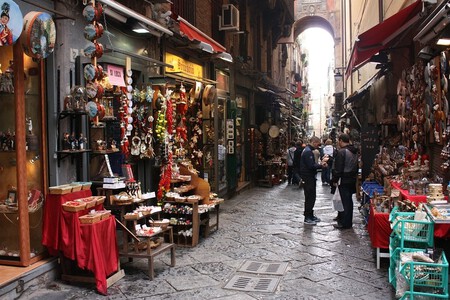
Showcase. Urban identity is not the only casualty of this transformation. Streets that once served as cultural arteries, like Via Toledo , are now lined with identical eateries and souvenir shops. The replacement of historic bookstores with taverns and themed bars detracts from the richness of local culture. This proliferation of fast food outlets exacerbates waste management issues and further commodifies local life, leaving the most vulnerable groups marginalized. Even important community spaces, such as churches, have been relegated to mere sights for tourists, effectively losing their spiritual significance.
A Political Problem. Local authorities are acutely aware of the challenges posed by mass tourism but feel powerless due to a lack of supportive legal frameworks. Attempts to impose limits on tourist accommodations have been hindered by national government policies advocating for market freedom. New regulations, supposed to curb the negative effects of tourism, instead contribute to increased accommodation conversions. This regulatory void has turned central Naples into a target for real estate speculation , displacing long-standing residents to peripheral neighborhoods.

A Paradox. Proponents of tourism argue that it generates employment opportunities and allows some families to emerge from poverty by converting their homes into B&Bs or opening small eateries. However, when a neighborhood’s economy relies heavily on tourism, it becomes increasingly vulnerable to fluctuations in visitor numbers. Recent declines in tourist arrivals have left local businesses exposed, highlighting a lack of sustainable economic planning. Ironically, some tourists have begun to express discontent at what feels like a homogenized experience , characterized by repetitive shops and dining options designed merely for their consumption.
Identity Erosion. The very aspects that draw visitors—authentic street life and vibrant culture—are at an increasing risk of diminishing. Without effective policies to balance residents’ interests against tourism growth, Naples risks transforming into merely a glossy facade devoid of substance. Activists and scholars are sounding the alarm that what’s eroding is not just urban space, but also the right of Neapolitans to remain integral to their own city’s narrative. As Naples grapples with these complexities, it stands at a pivotal crossroads, where action must be taken to ensure that both residents and visitors can enrich the cultural tapestry of this remarkable city.