
The Gulf War’s Impact on Oil and Gas
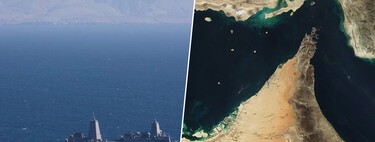
The ongoing Third Gulf War has caused unprecedented disruptions in the oil market, marking the most significant supply crisis in history. With the blockade of the Strait of Hormuz, approximately 20 million barrels per day have been removed from global supply chains, representing a staggering 20% of world oil consumption. This situation starkly contrasts with the 1973 Arab oil embargo, which only withdrew 4.5 million barrels per day, showing the extraordinary scale of current disruptions.
The Long Path to Recovery
Even with a swift resolution to the conflict, the recovery process is expected to take years. Energy experts like Rory Johnston emphasize that merely renormalizing the global oil system could take two to three months, especially given the current congestion of oil tankers on both sides of the Strait. A rapid resumption of oil flow would overwhelm unloading terminals, causing further bottlenecks reminiscent of the chaotic supply issues seen during the COVID-19 pandemic.
The New Maritime Landscape
The geopolitical dynamics of the Strait of Hormuz have shifted significantly. Iran has transformed this crucial passage into a selective access point, controlling which vessels can navigate through. Countries participating in military coalitions face restrictions, while others, like Spain, have received favored access. This reliance on selective access not only complicates maritime operations but also instills uncertainty among insurers, who demand proof of safety before covering oil tankers.
The Root Causes of Damage
The infrastructure damage inflicted during this conflict is severe. Iran’s asymmetric warfare strategy aims to undermine the energy foundations of its neighbors. A significant instance of this is the drone attack on Qatar’s Ras Laffan facilities, which are vital for liquefied natural gas export. Recovery from these attacks may require three to five years, compounding existing challenges like temporary refinery closures in Saudi Arabia.
The Economic Fallout
The ramifications of this situation extend well beyond the oil industry. The closure of access routes and resultant storage limitations have led to a dramatic oversupply of crude, with Iraq forced to cut production by 70% due to storage issues. This phenomenon, known as “locked-in” oil, complicates the resumption of production and supply.
The global economy is bracing for chronic inflation. Experts warn that continuous energy price hikes may push global inflation rates to or beyond 6%. This situation could stifle economic growth, affecting everything from interest rates to consumer prices.
The Food Crisis Looms
Another critical concern is agriculture; approximately one-third of the world’s fertilizers transit through the Strait of Hormuz. A significant disruption in fertilizer availability could lead to a global food crisis, impacting harvests and supermarket prices in the coming seasons.
Predictions and Market Reactions
If the blockade persists, analysts predict that oil prices could soar to $200 per barrel. The aim behind such extreme pricing is to force “demand destruction,” leading consumers and industries to significantly cut back on consumption. Some experts, including BlackRock’s CEO, warn of a severe recession if oil prices reach $150.
The disconnection between the physical oil supply realities and the financial market’s optimism is alarming. Despite the deteriorating situation, traders react positively to political statements suggesting peace, as they cling to the hope of a quick recovery.
The Silent Beneficiary: China
While the West struggles with these challenges, China stands poised to benefit from the tumult. With substantial reserves and an intricate planning strategy to minimize reliance on maritime routes like the Strait of Hormuz, China is navigating this crisis with a defined advantage, positioning itself as both an energy powerhouse and an emerging “electrostate.”
A New Era of Energy Vulnerability
Operation Epic Fury has reinstated the significance of the “energy weapon,” a tactic that reminds us of vulnerabilities thought to have been resolved since the 1970s. The intricate relationship between geography and diplomacy exemplifies this energy crisis—revamping the way global trade, shipping, and investment operate in the Persian Gulf. Even the signing of a peace deal may not restore trust or normalcy in the region. The old norms are irrevocably broken, setting the stage for a prolonged period of uncertainty.