
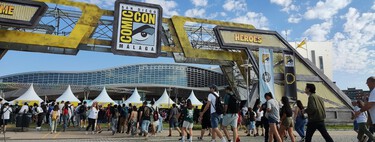
Comic-Con Málaga: A New Direction for a Stumbling Start
The first international edition of San Diego Comic-Con broke ticket sales records and attracted nearly 100,000 attendees to Málaga. However, the event faced significant backlash with criticisms concerning overcrowding, hours-long queues, and accumulating complaints—over 550 filed by consumer associations. As a new director takes the helm, there is hope that this event can become a thriving cultural fair outside California.
The Initial Hype and Criticism
The announcement that Málaga would host Comic-Con sparked immense excitement, leading to instant ticket sales—three out of four days sold out in under 24 hours, priced at 50 euros each. Initially, no guests had been announced, yet expectations ran high. When celebrities like Arnold Schwarzenegger, Antonio Banderas, and Elle Fanning were revealed as attendees, the criticisms shifted focus. Many felt that the event pivoted away from its core fandom roots and leaned heavily towards mainstream appeal.
Breaking Down Attendance Figures
The official report revealing plans for the 2027 edition projected attendance at 95,784 over four days, generating an economic impact of €44.3 million, coupled with participation from over 110 exhibitors including giants like Disney and Nintendo. However, discrepancies arose as Málaga City Council had initially claimed attendance exceeded 120,000—a staggering 25,000-visitor gap that the organizing body has yet to clarify. This lack of transparency raises questions about the organization’s commitment to addressing past issues.
Organizational Changes: A Fresh Perspective
Acknowledging the need for improvement, a significant organizational change has taken place. Fernando Piquer has been appointed as the new general manager, stepping in for Javier Barberá. Piquer, the founder and CEO of Movistar Riders, a leading esports team in Spain, arrives with no direct ties to comics or fandom—a move that has triggered mixed reactions. Yet, his background in esports management may prove advantageous.
The Case for Esports Expertise
Large-scale esports festivals have established themselves as testing grounds for managing massive crowds, particularly with younger audiences. They employ sophisticated digital accreditation systems, strategic capacity control, staggered entry times, and computerized queue management—tools essential for accommodating large attendance effectively. As we look ahead to the 2026 edition, it remains to be seen how well these strategies will be employed regarding content and guest line-ups.
Identifying and Implementing Solutions
To enhance visitor experience, Comic-Con Málaga could look towards successful models from other comparable events, such as Gamescom in Cologne and Paris Games Week. These events have effectively implemented time-slot ticketing systems, developed official apps to monitor crowd levels, and assigned dedicated teams to manage access flows. Revisiting overly strict policies on food and drink allowances could also address congestion at food stalls, facilitating a smoother experience for attendees.
Moving Forward
The challenges faced during the inaugural Comic-Con Málaga have been clearly identified. The upcoming leadership must now focus on transparent communication and implementing practical solutions. Announcements regarding these efforts will be vital, particularly in light of the extensive criticism surrounding the event’s organization. With careful planning and the right management, Comic-Con Málaga has the potential to evolve into a cherished celebration of pop culture, engaging fans and creators alike effectively.