
The Musk-Altman Trial: A Tech Soap Opera Unfolds
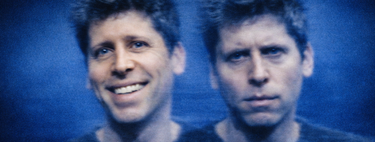
Elon Musk’s trial against OpenAI, focusing particularly on Sam Altman, has captured the attention of the tech world as the soap opera of the year. At its core, the litigation alleges that OpenAI betrayed its founding non-profit tenets, setting the stage for a personal feud that runs deeper than mere business disagreements. The courtroom has indeed become a spectacle filled with revelations that leave no one looking good.
Two Opposing Narratives
The arguments presented by both parties could not be more divergent. Musk alleges that OpenAI has strayed from its foundational promise of being a non-profit focused on achieving artificial general intelligence (AGI) for humanity’s benefit. He describes the situation as “wrong to steal from a charity,” emphasizing the organization’s shift toward profit-driven motives led by Altman.
Conversely, OpenAI’s legal team paints Musk as the real profiteer, asserting his contentious exit from the company came after the explosive success of ChatGPT in 2022. Musk’s discontent, they argue, stemmed from his failed ambitions within the organization.
The Fine Print That Backfired
The crux of Musk’s lawsuit hinges on a supposed betrayal—OpenAI’s departure from its founding commitment to altruism. Interestingly, Musk had signed a 2017 document detailing the transition to a for-profit structure. When questioned about his bewildering choice, Musk notably admitted, “I didn’t read the fine print, just the headline,” a remark that certainly complicates his narrative of being a wronged victim.
A Chaotic Internal Dynamic
Both sides have furnished evidence that reveals troubling communications. A significant piece of testimony arose from frantic messages exchanged between Altman and another OpenAI executive, Mira Murati, shortly after Altman’s removal in 2023. The messages reflect a climate of desperation and chaos, contrasting sharply with the organization’s purported altruistic mission.
Burning Man and the Unstable Narrative
As part of the defense strategy, OpenAI’s lawyers aimed to depict Musk as unreliable. In a notable exchange, they questioned him about his experiences at the Burning Man festival and allegations of drug use. Although Musk denied the claims, the judge cut off further inquiries about such topics, underscoring the defenses’ attempts to cast doubt on Musk’s credibility.
Key Testimony: Shivon Zilis
Centrally positioned in the courtroom drama is Shivon Zilis, who served on OpenAI’s board while also maintaining a personal relationship with Musk, with whom she shares four children. Her involvement raises questions about transparency, with OpenAI arguing that Zilis acted as an informant for Musk, potentially skewing the decision-making process within the company.
The Diary That Holds Secrets
Another pivotal aspect of the trial involves a diary kept by Greg Brockman, an OpenAI co-founder. In it, Brockman expressed his view that distancing the organization from Musk was an “opportunity” for growth while contemplating ways to secure substantial funding. Musk’s team sees this diary as damning evidence of the urge to prioritize profit, while OpenAI frames it as a struggling internal dialogue aimed at navigating the conflict between its mission and financial sustainability.
As the trial progresses, the true depths of this tech soap opera remain to be revealed, with each side yielding shocking revelations that challenge their respective standings. What is clear, however, is that neither Musk nor Altman emerges from this battle unscathed.