
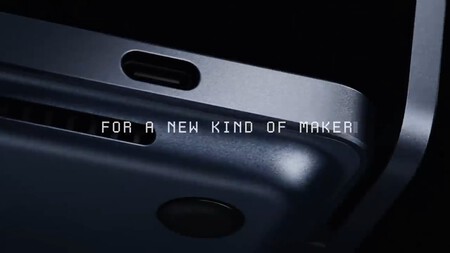
Microsoft has been seeking a formidable answer to a long-standing question: can Windows on ARM offer more than just extended battery life, quiet operation, and light productivity? The answer comes in the form of the Surface Laptop Ultra. This powerful device is designed to tackle ambitious workloads ranging from creation to localized AI, utilizing the innovative NVIDIA RTX Spark.
A Competitive Landscape
The unveiling of the Surface Laptop Ultra follows Apple’s impactful move in 2020, when it transitioned its Macs to its own silicon with the M1 chip, setting high standards for performance per watt and vertical integration. This shift not only elevated Apple’s high-end offerings but also introduced budget-friendly models like the MacBook Neo, which competes directly with affordable Chromebooks and Windows laptops.
In response, Microsoft has introduced the Copilot+ PCs, aiming for a stronger foothold in the ARM market, yet the popularity and market share of these efforts have remained modest.
Windows on ARM: A Step Beyond Autonomy
Microsoft’s latest offering has two essential facets. First is performance: the Surface Laptop Ultra boasts an NVIDIA Blackwell RTX GPU, up to 128 GB of unified memory, and 1 petaflop of AI compute, setting a new standard in hardware capabilities. The second aspect lies in its display technology; featuring a 15-inch PixelSense Ultra mini-LED screen, the device promises up to 2,000 nits of brightness, 262 pixels per inch, and the largest haptic touchpad ever included in a Surface product. Notably, it also provides multiple ports—HDMI, USB-C, USB-A, SD, and headphone jacks—eliminating the need for adapters.
Understanding Unified Memory
It’s crucial to clarify what Microsoft means by unified memory. This innovative approach allows for memory to function as a shared resource for both the CPU and GPU, enabling efficient task allocation based on workload needs. However, it should be noted that this design choice limits options for future memory upgrades.
What We Don’t Know Yet
Despite the excitement surrounding the Surface Laptop Ultra, vital details remain undisclosed. Microsoft has yet to provide information on pricing, launch dates, or battery life specifics. Furthermore, the company cautiously notes that the Surface Laptop Ultra is a preliminary product, with potential changes in specifications and sales contingent upon regulatory approvals.
NVIDIA: Game Changer in the ARM Conversation
Microsoft’s advancements build on its previous efforts with Copilot+ PCs, which introduced processors capable of exceeding 40 TOPS in local AI functions. However, only 9% of AI PCs distributed in Europe by mid-2025 were Copilot+ models, indicating a relatively small adoption rate. The emergence of the Surface Laptop Ultra seeks to shift this paradigm by incorporating significant graphics capabilities and compatibility with a wide range of professional applications supported by the NVIDIA software ecosystem.
Final Thoughts
The Surface Laptop Ultra presents an extraordinary opportunity, serving as a tangible demonstration of Microsoft’s commitment to evolving Windows on ARM. Nevertheless, until we can experience the device firsthand, it’s premature to draw definitive conclusions about its performance and functionality in real-world scenarios.
Images | Microsoft