
The Rise of Energy Drinks in Spain
For years, Spain, like many Western nations, has grappled with the burgeoning issue of energy drinks. According to recent data, 38.4% of students aged 14 to 18 have reported consuming these beverages within the last month. In a telling sign of this trend, 105 million liters of energy drinks were sold last year, marking a staggering 39% growth over the past four years.
Government Action on Energy Drinks
In response to this alarming consumption rate, the Ministry of Consumer Affairs has announced a proposal aimed at regulating the sale of energy drinks. The new regulation seeks to prohibit sales to children under 16 years old. Furthermore, it plans to impose an additional restriction on beverages containing more than 32 mg of caffeine per 100 ml, extending to minors under 18 years old.
Evaluating the Impact
This initiative raises several questions: Does this limitation make sense? Is energy drink consumption a genuine concern for youth? Could the ban effectively mitigate the associated problems?
The Ministry’s approach builds on existing recommendations from the Spanish Agency for Food Safety and Nutrition (AESAN), indicating that the legal framework aligns with previously established safety guidelines. However, critics note potential inconsistencies in the regulation, especially regarding the threshold for caffeine in energy drinks when compared to broader European standards.
The Health Risks
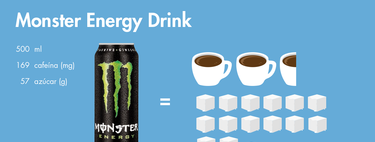
Despite the ban, the consumption of energy drinks continues to pose significant health risks. The Spanish Food Safety Agency warns that consumption exceeding 60 milligrams of caffeine can disrupt sleep patterns in adolescents aged 11 to 17. This disruption can lead to broader health issues, including psychological and cardiovascular disorders.
Invisible Health Consequences
The long-term health implications of energy drink consumption are both subtle and severe. Chronic sleep deprivation can culminate in various conditions, including metabolic issues, cardiovascular disorders, and even diabetes. Psychological effects such as increased stress, irritability, and impulsive behavior are also common side effects.
Cultural Implications
While acknowledging the health risks, the issue of energy drinks extends beyond individual well-being into cultural practices among youth. The consumption of brightly colored 500 ml cans has become normalized, often related to a lifestyle that encourages risky behaviors.
A Necessary National Debate
Given the alarming trends and implications of energy drink consumption, a national debate was overdue. As energy drinks become integrated into social practices among young people, the urgent need for regulations becomes evident.
Conclusion
The proposed prohibitions by the Ministry of Consumer Affairs are a step toward addressing a growing health crisis. As these drinks become more ubiquitous, it is crucial for society to engage in a deep and ongoing discussion about their impact on youth culture and public health.