
Anniversary of Maritime Captain Powers and Structure
The Royal Decree that defines the powers and structure of maritime captains has marked its 30th anniversary today. To commemorate this significant milestone, Ana Núñez Velasco, the General Director of the Merchant Navy at the Ministry of Transportation and Sustainable Mobility, acknowledged the invaluable contributions made by maritime captains in the effort to combat marine pollution stemming from maritime operations.
Núñez emphasized the crucial role of captains in initiatives aimed at the decarbonization and modernization of the Spanish maritime sector. This aligns with the recently approved Maritime Strategy of Spain for 2025-2050. She stated, “Maritime captains demonstrate every day through their work that prevention and surveillance are the best ways to circumvent tragedies at sea.” This recognition highlights the importance of their daily operations in safeguarding the marine environment.
Humanitarian Efforts and Emergency Response
In addition to environmental concerns, Núñez pointed out the humanitarian aspect of the maritime captains’ work, particularly in the rescue of human lives. The captains collaborate extensively with maritime rescue services, which fall under the purview of the General Direction of the Merchant Navy. This collaborative effort showcases their commitment to not only environmental sustainability but also to humanitarian engagements, particularly during emergencies at sea.
Furthermore, she lauded their adaptability in managing complex situations, including challenges like the COVID-19 pandemic. During these trying times, maritime transport proved essential for maintaining international trade, all thanks to the diligent efforts of maritime transport managers and crew members.
Overview of the Spanish Maritime Administration
Spain is home to 30 maritime captains and 78 maritime districts, all of which play a pivotal role in the general management of maritime navigation and the civil fleet. These peripheral organizations are administered by maritime captains, who lead a team of technical experts and administrative personnel dedicated to maintaining the functionality and safety of maritime activities.
These maritime districts are tasked with various responsibilities, including the supervision and direction of their respective districts. They cooperate with port authorities, particularly in handling maritime emergencies and pollution incidents that arise within port boundaries. Such collaboration is crucial in formulating reports and resolutions that ensure robust maritime security and smooth navigation.
The captains also enforce regulations concerning the role and dispatch of ships, ensuring that all relevant laws are adhered to for both crews and passengers. Additionally, they manage and maintain records related to vessels and maritime companies, overseeing the processing of professional and recreational licenses.
Inspection and Compliance
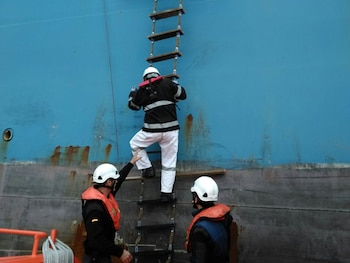
Another core aspect of maritime captains’ duties involves conducting technical inspections of vessels, both those under construction and operational ships applying at Spanish ports. They are responsible for inspecting goods, particularly dangerous merchandise, and possess the authority to regulate the entry and exit of ships in Spanish waters.
This multifaceted role of maritime captains ensures not only successful ship operations but also the safety and security of maritime environments, a responsibility they share with the broader maritime industry.
Technological Advancements in Maritime Administration
Looking to the future, the Ministry of Transportation has announced that as of August 15, an electronic platform will be launched to enhance the efficiency of bureaucratic processes related to merchant, fishing, and recreational vessels. This new system aims to simplify the enrollments and discharges of crew members, promoting a more streamlined approach to maritime administration.
This technological advancement showcases a commitment to keeping pace with the evolving demands of the maritime sector, fostering a more efficient environment for operations, compliance, and safety.
In essence, the celebration of the 30th anniversary of the Royal Decree lays bare not only the milestones achieved over three decades but also the promising trajectory ahead for the Spanish maritime sector. Maritime captains, through their unwavering dedication, exhibit meaningful contributions to both maritime safety and the protection of marine ecosystems. Their efforts serve as a model for future maritime governance, emphasizing the intertwining of ecological responsibility with human welfare in the vast seascape of maritime activities.