

The Vital Role of the Liver in Human Health
The liver is an essential organ located at the top of the abdomen, adjacent to the stomach, as well as the thick and thin intestines, gallbladder, and pancreas. According to the Dictionary of the National Cancer Institute, the liver consists of a right and left lobe, identifiable due to the presence of the falciform ligament, which lies at the center of this viscera.
The primary function of the liver is to process blood, breaking it down and balancing its components. Moreover, the liver is crucial in metabolizing medications, enabling the body to utilize these substances without toxicity. However, to maintain its health, it is vital to respect the natural rhythms of this organ. Failure to do so may lead to conditions such as insomnia or chronic fatigue.
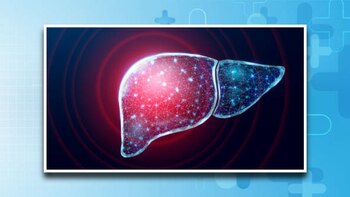
In addition to its role in blood processing, the Cleveland Clinic emphasizes that the liver functions as a gland due to its ability to produce essential chemical substances required by the body. The deterioration of the liver often stems from detrimental habits, leading to conditions like fatty liver, which can arise from excessive toxin consumption or hepatitis, resulting from either high alcohol intake or viral infections. These conditions can eventually progress to liver failure, known as cirrhosis. Although not all habits lead to severe symptoms, liver issues can manifest as a lack of sleep or fatigue.
Dr. David Duarte, who has studied medicine and homeopathy at the National Polytechnic Institute (IPN), explains on social media that insomnia can signal that the liver is overworked. He elaborates that humans have periods of activity, which are accompanied by smaller cycles within the body, a concept known as biorhythm.
Duarte notes that both short and long cycles, ranging from minutes and hours to seasonal changes, play a crucial role. Familiarizing oneself with and respecting these rhythms can improve the overall functioning of the body. He explains that having dinner late can be a harmful habit, which, while prevalent in various cultures, places work overload on the liver, which performs two distinct functions during day and night.
Duarte states, “We have two livers functionally: the day liver and the night liver.” At night, the liver is primarily focused on detoxifying, allowing the body to rest. To illustrate this concept further, he compares the liver’s nighttime function to that of an office worker who is expected to complete tasks after work hours. “Imagine wanting to leave at 6:00 p.m. but still being given work at 10:00 p.m.; it’s exhausting,” Duarte points out.
This analogy highlights the significance of adhering to physical needs. When these needs are neglected, it adversely affects the body’s general functioning. The sleep deprivation caused by liver stress can disrupt the nervous system, ultimately leading to a lack of brain rest. Taking the necessary steps to maintain liver health through appropriate lifestyle and dietary choices is crucial for overall well-being.