
Understanding Osteoarthritis: The Most Affected Joints
Osteoarthritis stands as one of the most prevalent and painful joint diseases, commonly affecting adults and the elderly. This degenerative condition can severely diminish the quality of life by inducing chronic pain, stiffness, and a significant loss of mobility.
The Mechanism Behind Osteoarthritis
The condition originates from progressive cartilage wear, a tissue that cushions the ends of bones and enables them to move smoothly. While osteoarthritis can impact any joint, certain joints endure more strain due to their weight-bearing nature or repetitive use in daily activities.
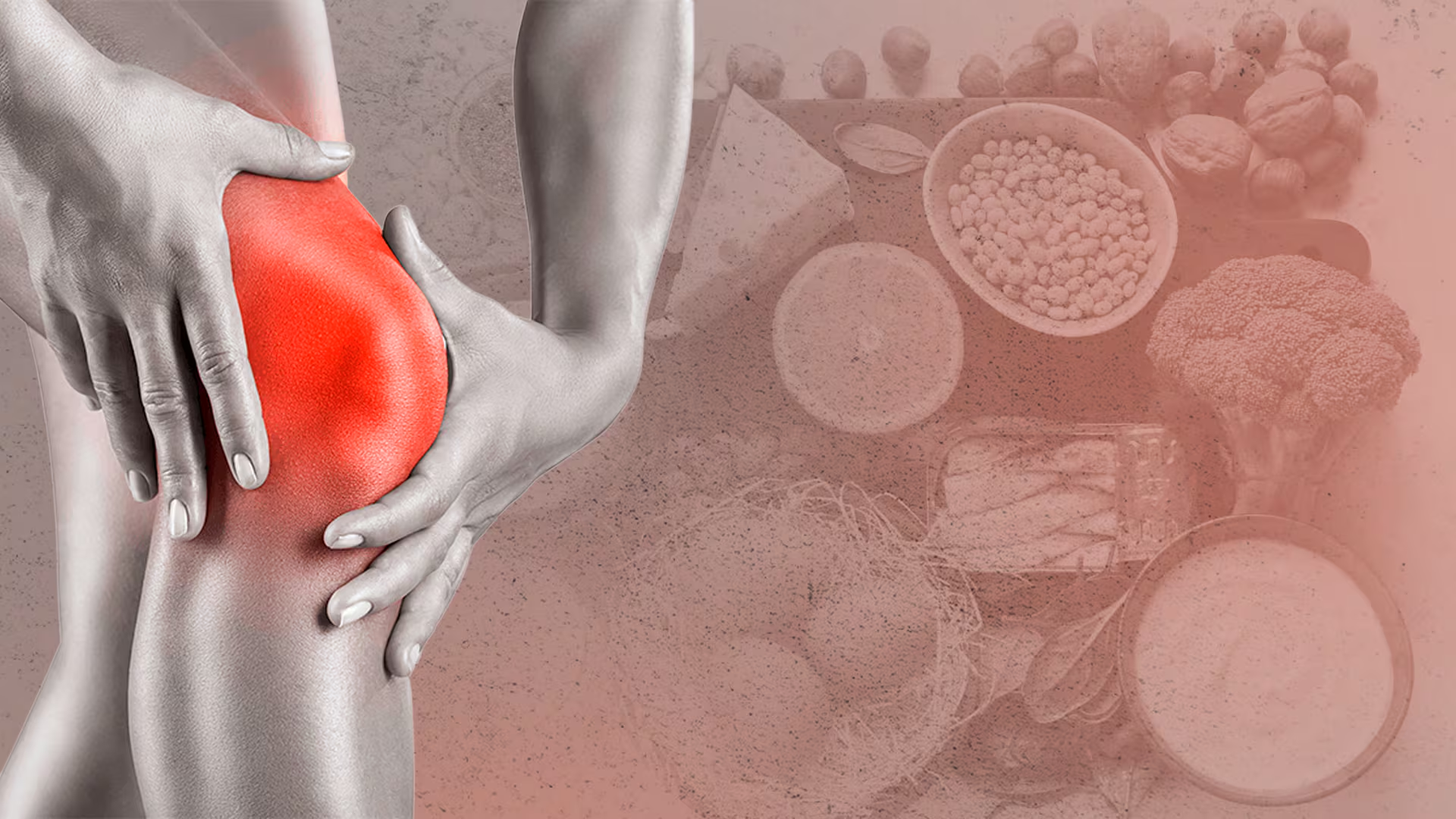
Knees: The Most Affected Joint
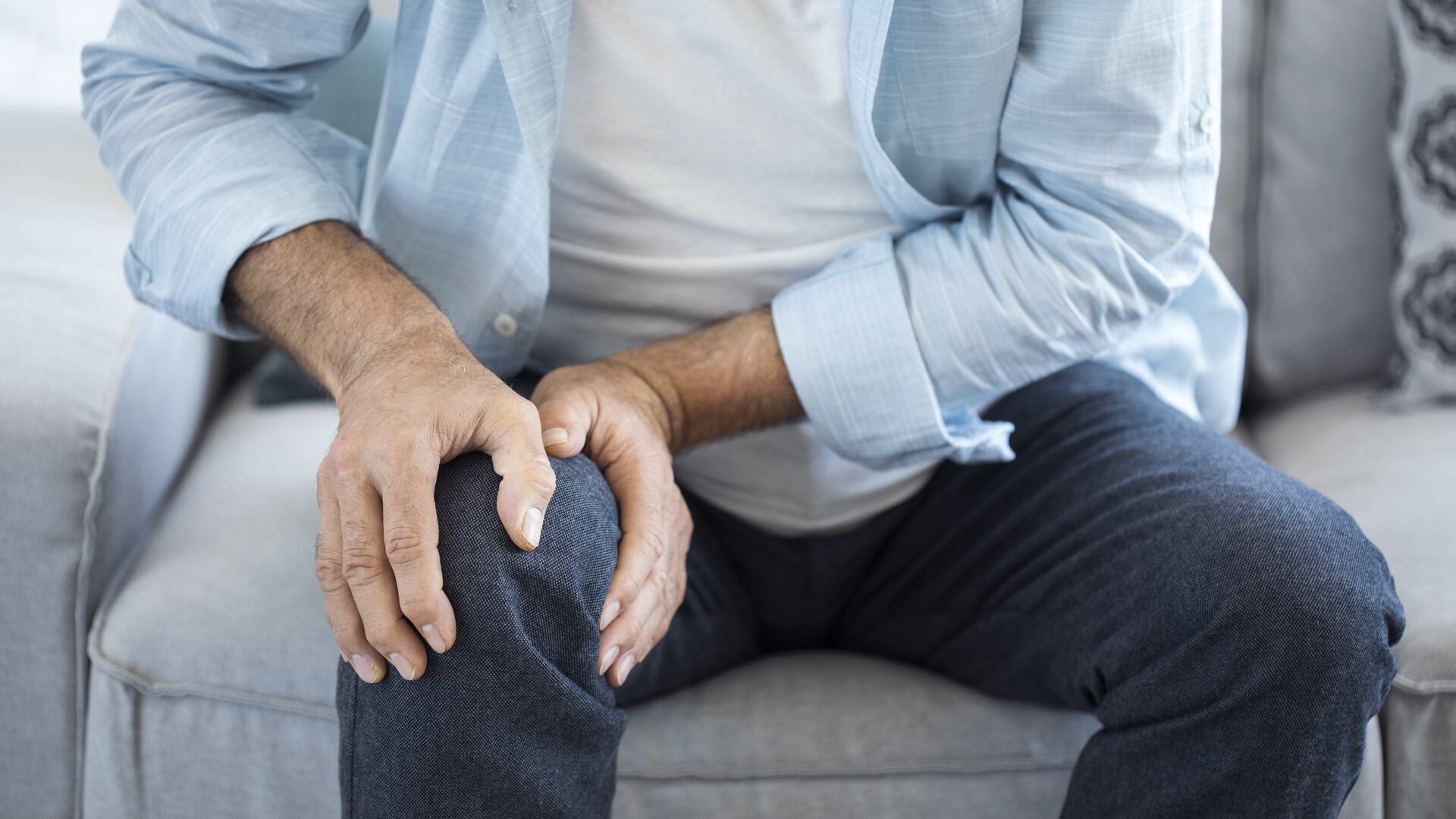
The knees are the joints most susceptible to osteoarthritis, primarily due to their role in supporting body weight. Common symptoms include:
- Pain when walking or climbing stairs.
- Mild swelling around the joint.
- Gradual loss of mobility.
- Difficulty standing for prolonged periods.
Hips: Another Vulnerable Joint
The hips also face a high risk of developing osteoarthritis. Symptoms often include:
- Pain that worsens when sitting or standing up.
- Stiffness that makes walking challenging.
- In advanced stages, reliance on aids such as canes.
- Severe cases may necessitate joint replacement surgery.
Other Common Sites of Osteoarthritis
Hands and Spine
Despite being less visible, osteoarthritis significantly impacts the hands and spine:
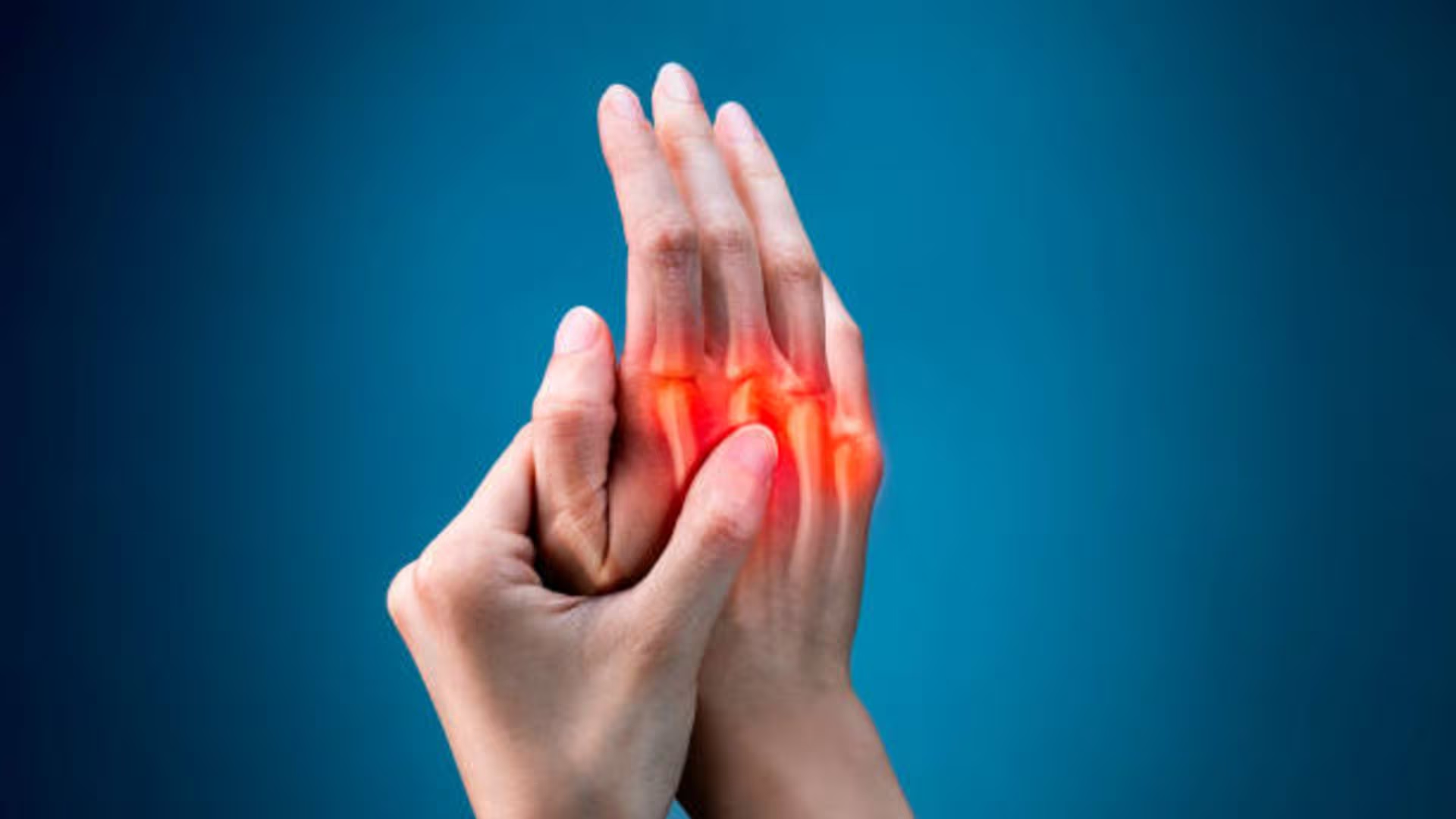
- In the hands: The condition may affect the knuckles and base of the thumb, leading to progressive deformities and diminished hand strength, complicating tasks like writing.
- In the spine: Osteoarthritis in the lumbar and cervical regions can cause stiffness and chronic pain, sometimes compressing nerves and radiating discomfort to the arms or legs.
The Challenge of Osteoarthritis
In summary, osteoarthritis predominantly affects the knees, hips, hands, and spine. This progressive and often painful condition presents a significant public health challenge, as it restricts the independence of millions. Early recognition and intervention are crucial to slow its progression and maintain mobility.