
The Jarama Circuit: A Balance Between Legacy and Local Discontent
On a rainy morning at 8:30 AM, the Jarama Circuit bustles with anticipation for its first-ever Formula E race in Spain. While 30,000 fans prepare to fill the historic track, locals brace for another day of noise and disruption, given its long-standing conflict with the residents of nearby Ciudalcampo, an exclusive urbanization that has grown up alongside the circuit since its inception in 1967.
Circuit History and Community Concerns
The Jarama Circuit, while a historic site for motorsports in Spain, has faced ongoing opposition from its neighbors, who have long complained about the excessive noise and traffic generated by race events. Since the pandemic, these concerns have intensified due to an increase in noise-generating activities, including drift events and brand rallies. Residents are seeking attention from authorities, revealing an ongoing ‘war’ between them and the circuit.
Formula E adds another layer to this delicate situation. Although less noisy than traditional motorsport due to their electric engines, the influx of tens of thousands of event attendees still poses logistical challenges. With minimal public transport options available, traffic congestion becomes a significant issue, as highlighted by reports of three-hour wait times to exit the circuit.
The Formula E Experience
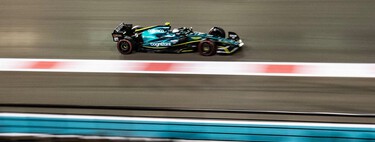
Despite the controversies, the excitement around Formula E is palpable. Upon entering the paddock, fans expressed amazement at the electric cars and their unique sound, reminiscent of popular toy model vehicles. These cars represent the evolving future of motorsport, aiming for sustainability and innovation.
During Free Practice 1 amidst tricky weather conditions, the electric vehicles showcased their capabilities, demonstrating the intricate handling required on a wet track. Although designed for competitive racing, there remain safety concerns with high-speed vehicles on this historic circuit.
Future Aspirations and Pressures
As Formula E enters a pivotal chapter, it’s clear that both the organizers and the local community must find a middle ground. The co-founder of Formula E, Alberto Longo, highlighted the difficulty of securing safe racing venues as the cars evolve into more powerful machines, necessitating wider tracks. While Jarama may host more races in the future, the overarching need for improved infrastructure and better engagement with local residents remains crucial.
The Broader Implications for Motorsports in Spain
In the context of escalating viewership for traditional motorsport, such as Formula 1, and the growing shift towards electric vehicles, the Jarama Circuit’s role is becoming increasingly significant. It offers an essential, intimate experience for fans that larger urban races often lack.
As the circuit embraces its dual identity—historical destination and modern racing venue—it is clear that both its future and the happiness of the local communities depend on an earnest dialogue about noise levels, traffic management, and the overall impact of such high-profile events on everyday life.