
A transformative wing that adapts mid-flight represents the cutting-edge of aviation, with Airbus at the forefront of this innovation. The company is gearing up to test its morphing wing concept in *real-world conditions*, marking 2026 as the year it aims to take flight. This groundbreaking technology could pave the way for the next generation of narrow-body aircraft , building on the legacy of the A320 series.
The morphing wing is more than just an isolated prototype; it’s a critical component of a larger technological initiative. Airbus is also advancing in areas such as disruptive engine technology , recyclable materials , and intelligent platforms . By experimenting with these technologies, the company will determine which combinations yield the most significant efficiency gains. The morphing wing is expected to improve fuel consumption and flight performance , demonstrating its utility in actual operation.
A Flying Laboratory for Aviation Innovation
To test the morphing wing, Airbus has converted a Cessna Citation VII into a flying laboratory. This adaptively engineered aircraft features a wing design that replicates future commercial models on a smaller scale. The adaptation involves specialized transition boxes that ensure structural integrity while providing space for critical components, such as fuel systems and landing gear. This design overcomes the limitations posed by using a non-Airbus fuselage, transforming it into a functional test bed.
The essence of the proposed morphing wing lies in its ability to adapt based on flight conditions. Engineers have designed a semi-elastic hinge at the tips of the wings to manage structural loads during turbulent situations. This ingenious design minimizes additional weight without sacrificing performance. Furthermore, the wing boasts three independently controlled flaps that can change position and configuration rapidly, optimizing lift and reducing drag at various flight phases.
To streamline control, Airbus has integrated a Fly-By-Wire system, replacing conventional hydraulic mechanisms. Every control surface—ranging from ailerons to stabilizers—will be managed by electric actuators linked to sophisticated onboard computers. This remote operation capability allows for more stringent testing methods since the aircraft won’t require a crew for all flights.
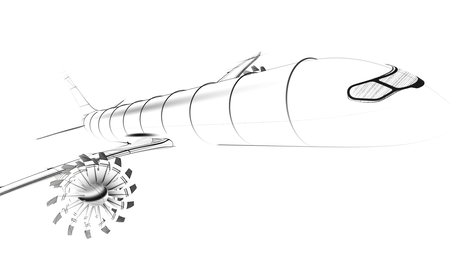
Before the X-Wing’s inaugural flight, a series of essential tests will take place on the ground. Airbus is planning structural vibration tests and wing load evaluations within this year to validate its innovative design. Preparations for this project are well underway, including applications for flight permits from the French Civil Aviation Authority (DGAC). If all goes according to plan, the aircraft is projected to take off for the first time in the middle of 2026 .
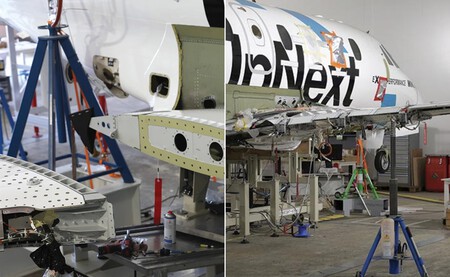
Prototype in a Cessna Citation VII
But the future of aviation goes beyond the morphing wing alone. Airbus is also cherishing plans for new energy systems, such as the Open Fan concept developed in collaboration with CFM . This system aims to improve fuel efficiency by a double-digit percentage and will see testing conducted with an A380 before the decade concludes. Additionally, the innovation roadmap includes expanding the use of sustainable fuels and introducing hybrid structures to help mitigate emissions further.
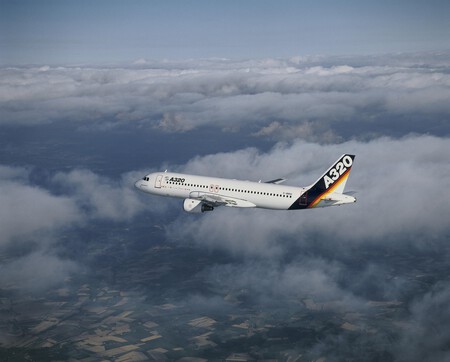
Innovation is not confined solely to wings and engines; it extends to aircraft materials as well. Airbus is exploring advanced thermoplastic compounds that promise to reduce overall aircraft weight while being more environmentally friendly. These new materials can be recycled more efficiently and will facilitate quicker manufacturing cycles. The MFFD project has acted as a testing ground, demonstrating the feasibility of decreasing weight without driving up production costs, with the Filton plant in the U.K. becoming a pivotal center for these advancements.

The future of aviation will not solely hinge on advanced wing designs or innovative engines. It will also rely on integrated digital systems that provide real-time updates, integrate applications, and predict maintenance requirements. Automation will increasingly assist both pilots and ground operations. The X-Wing is just a small piece of a much larger puzzle, helping validate which technologies are ready for commercial application and which need further refinement.
Images | Airbus
In closing, Airbus is blazing a trail in redefining future air travel with its groundbreaking projects and technologies. The combination of innovative wing structure, sustainable practices, and digital transformation promises to revolutionize how we think about aviation, efficiency, and environmental impact.