
Understanding Family Pensions: A Vital Resource for the Community
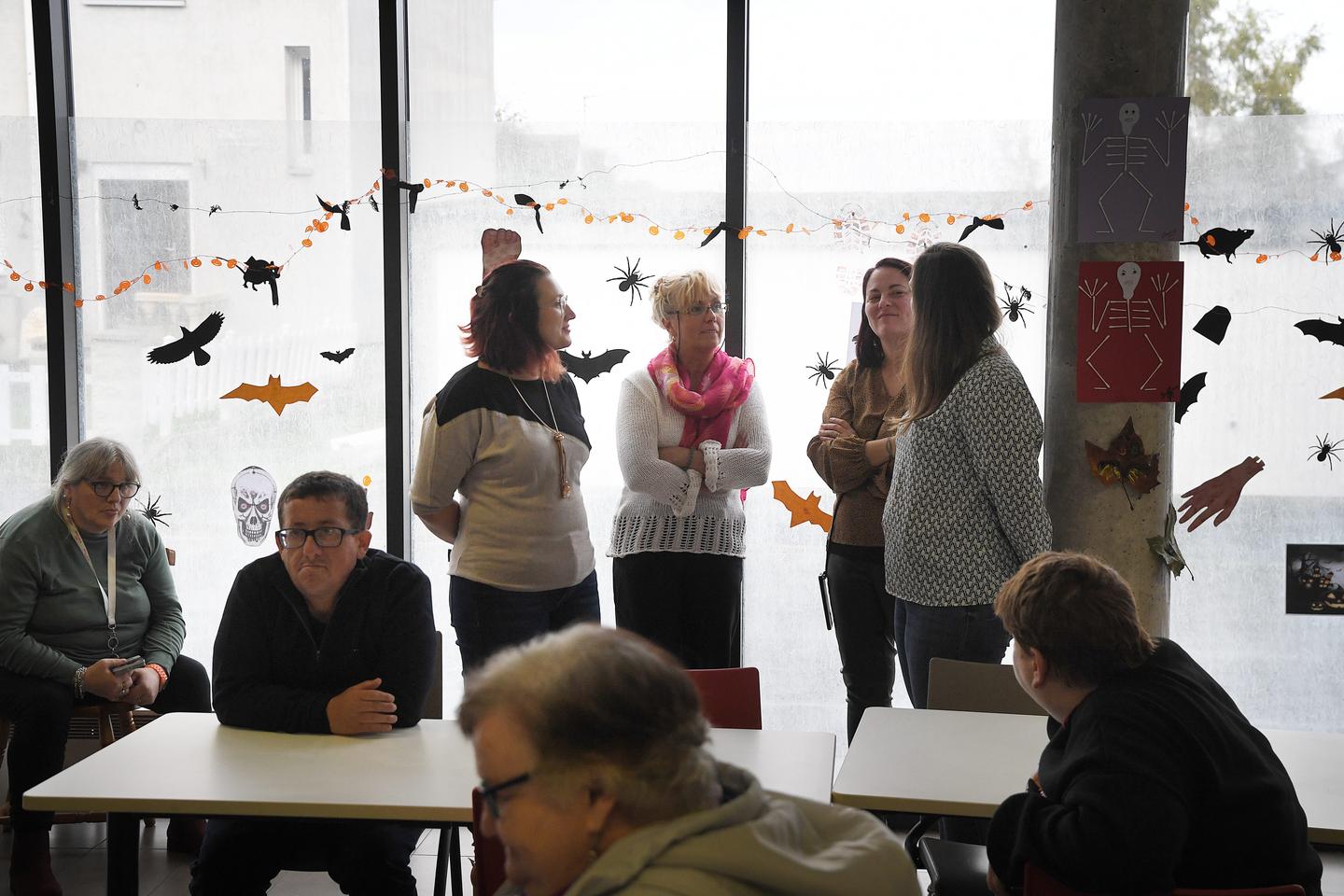
“It’s so much good to breathe now that I’m here”: This testimony of a resident was displayed, with others, for the open day of the Escale, in Clamart (Hauts-de-Seine), Friday, May 23. It is a question of making this family pension better known, one of the 1,100 founded since 2002 to house and support people who have, for the most part, known the street.
The Importance of Family Pensions
Family pensions serve an essential role in the social safety net . They provide not only accommodation but also a sense of community and belonging for vulnerable populations. These establishments cater specifically to individuals who have faced immense challenges, often including homelessness or domestic violence. Family pensions offer a refuge, a place where the residents can feel safe and valued.
A Glimpse into Resident Lives
During a recent visit, Ali (a pseudonym), who chose not to disclose his full name, expressed gratitude for his new home . He now occupies a modest 20 square meter apartment, paying 500 euros in rent, supported by personalized housing assistance. During the site visit funded by the Ministry of Housing, Ali shared his story of transformation. Fellow residents like Nordine, 44, emphasized the profound shift in their emotional and mental well-being. “It is a haven of peace , and I feel protected,” he stated. Such testimonials underscore the psychological impact that a secure living environment can have.
Community Activities and Support Services
Life in a family pension extends beyond mere accommodation. Residents are encouraged to engage in various activities and communal events designed to foster relationships and build skills. Common rooms, kitchens, and garden spaces serve as venues for shared meals, socialization, and even therapeutic activities. For instance, residents can partake in collective meals, participate in gardening, or attend organized outings, all designed to strengthen the community bonds and help combat loneliness.
Additionally, the involvement of volunteers from local organizations plays a crucial role in enhancing the living experience in family pensions. Volunteers often assist residents in navigating bureaucratic processes, offering guidance in securing essential documents, and addressing other challenging tasks. This support is vital as many residents may lack the resources or confidence to manage these tasks independently.
The Role of Government and Community Organizations in Supporting Family Pensions
The establishment and continuous operation of family pensions hinge significantly on government policies and local community support. Since 2002, over 1,100 family pensions have been founded, and they represent a collaborative effort between state agencies and nonprofit organizations like Habitat and Humanism. These partnerships are essential for providing adequate resources, funding, and personnel to meet the diverse needs of residents.
Long-Term Impacts and the Way Forward
The long-term impacts of living in a family pension can be transformative. Research indicates that residents benefit from enhanced mental health, improved relationships, and a smoother transition into stable, independent living situations. It’s crucial for governmental bodies to continue funding and supporting these initiatives, ensuring they adapt to the evolving needs of the community.
As recent reports recommend, it is essential to measure the impact of social bonds cultivated within these environments, highlighting how they mitigate isolation and promote community interdependence.
A Call to Action for the Community
Community members are encouraged to get involved with local family pensions either through volunteering or advocacy. Strengthening these organizations is a collective responsibility that can augment community ties and create safe spaces for the most vulnerable. It is crucial that residents feel they are participants in their own stories, which can ultimately lead to renewed senses of purpose and improved quality of life.