Claude Mythos: A Game-Changer for Firefox Security

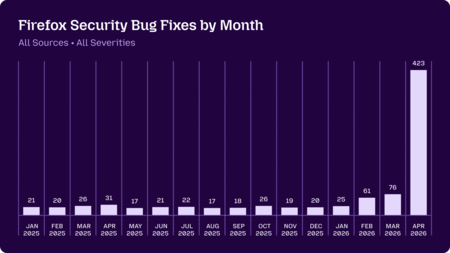
A year ago, Mozilla fixed just 31 security flaws in its Firefox browser. Fast forward to April 2026, and that number has skyrocketed to 423. This dramatic increase is largely attributed to the integration of Claude Mythos Preview, an AI model developed by Anthropic that has proven itself to be more than just hype. This new tool has transformed Mozilla’s vulnerability analysis, confirming its capabilities and emphasizing the importance of AI in modern cybersecurity.

Enhanced Detection Capabilities

The inclusion of Mythos in the process of analyzing Firefox vulnerabilities has resulted in a substantial uptick in identified security flaws. It’s not that the Firefox code has become less secure; rather, the scrutiny applied to it has intensified. Mozilla’s data shows that in April, the Firefox team detected more security issues than in the previous 15 months combined. This “technical cleansing” highlights how powerful AI can be when applied correctly.

Superior Bug Identification

Mythos is not only faster but also smarter when detecting vulnerabilities. The AI tool identified 271 of the 423 bugs that were ultimately fixed, far surpassing the capabilities of traditional methods like fuzzing and manual inspections. Its ability to evaluate its own findings and differentiate actual vulnerabilities from false positives sets it apart from other commercial tools, indicating its advanced reasoning capabilities.

Uncovering Long-Standing Issues

Among the issues identified were two notable bugs: one in the XSLT engine that had been lurking in the code for 20 years, and another related to the HTML tag “

” that was 15 years old. Mythos excels in recognizing complex combinations of factors that could trigger vulnerabilities, a task that would be nearly impossible for conventional methods.

The Role of Human Oversight

Despite the impressive abilities of Mythos, Mozilla has made it clear that human intervention remains paramount. AI assists in suggesting fixes, but it does not write the final code. Each of the 423 patches applied involved at least one human engineer to draft and review the patches, underscoring that while AI can detect issues, it cannot yet replace the nuanced judgment of experienced developers.

A Cautious Outlook

While Anthropic CEO Dario Amodei expressed optimism about these advancements benefiting cybersecurity, other industry experts like Mozilla’s Brian Grinstead take a more cautious stance. He warns that attackers may also leverage AI technologies, indicating that the security landscape could soon become a race to identify and exploit vulnerabilities.

Real-Time Vulnerability Assessment

Looking ahead, Mozilla aims to integrate Mythos into the software development process itself. This proactive approach means vulnerabilities could be analyzed in real-time as new code is introduced. With plans to make Firefox 150 the most secure version to date, the collaboration between human engineers and Anthropic’s AI represents a new frontier in browser security.

The Future of Bug Hunting

The rise of AI-driven detection tools like Mythos could spell trouble for traditional bug bounty hunters. The lucrative financial rewards that once incentivized human researchers might become less meaningful as AI takes center stage in vulnerability detection. As the landscape evolves, the roles within cybersecurity will undoubtedly shift, challenging established practices and livelihoods.

In summary, the involvement of Claude Mythos in the security framework of Firefox has justified the initial hype surrounding its capabilities. However, the balance between AI enhancement and human oversight will remain crucial as the industry continues to evolve.


General News – 2