
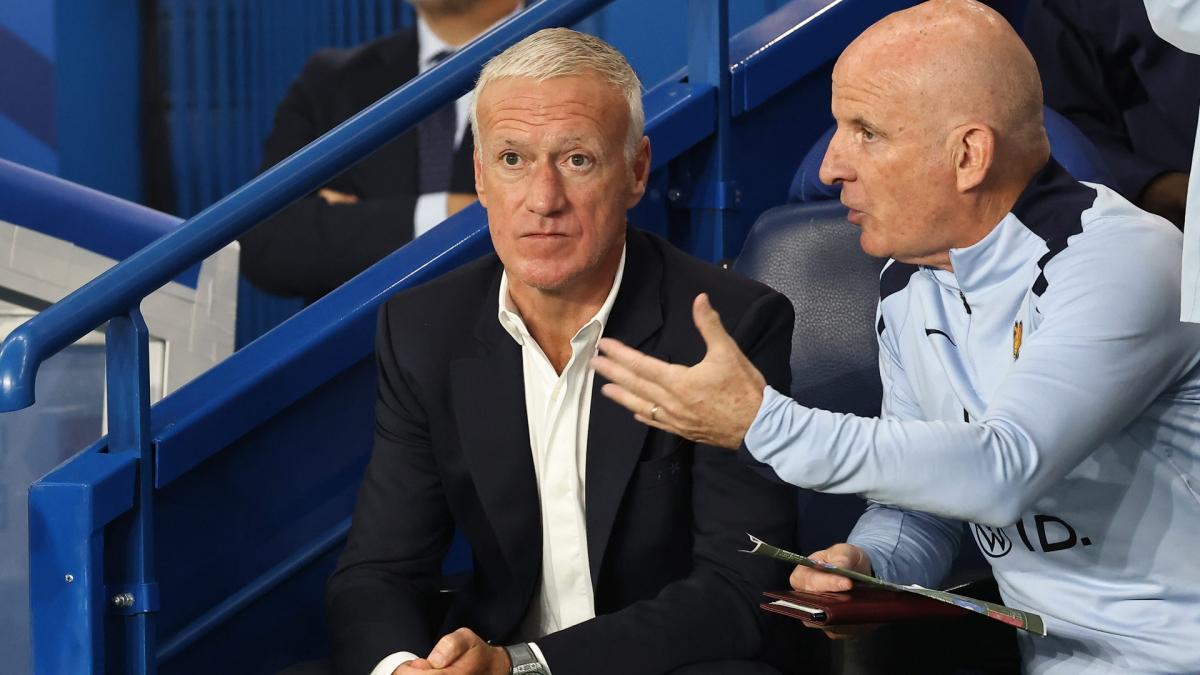
The Evolution of National Team Preparation Under Didier Deschamps
Didier Deschamps has been a pivotal figure in the French national football team since he took over as coach in 2012. His tenure has coincided with significant changes in club football and the global football calendar. As the demands on players have intensified, Deschamps has voiced concerns about the shrinking windows for national team preparation.
Deschamps reflects on the current situation in football, lamenting how the increase in intense club schedules has led to a drastic reduction in time available for his national squad. He reminisces about earlier times when the French team enjoyed longer preparation periods before competitions.
The Decrease in Preparation Time
“Before the 2014 World Cup, we had 28 days to prepare. The more the seasons pass, the less time we have. Today, when we have 15 days to prepare for a big competition, we say thank you,” Deschamps states. This reduction in time not only impacts the preparatory process but also affects how effectively teams can implement game strategies and build team cohesion.
Under the current football scheduling, teams often find themselves in a tight race against time. Deschamps points out that training sessions are increasingly compromised. “Most often, we play on Thursday when most of the group has just played on Sunday. So, Monday and Tuesday, collective work, you forget. And Wednesday, you are on the eve of the match,” he lamented in an interview with L’Équipe. This leaves little room for rigorous training or complex tactical adjustments, essential elements that strengthen a team’s performance.
Changing Dynamics in Football
The shifts in football dynamics have profound implications for national teams. High-stakes club tournaments mean players often prioritize their club obligations, leaving coaches with fragmented squads. The situation is particularly perilous when the national team must perform in crucial matches with limited practice.
The international calendar is packed with matches for club and country, leaving players susceptible to fatigue and injury. This relentless pace can hinder the national team’s preparation, reducing their effectiveness at crucial junctures, such as the European Championship or the World Cup.
The Importance of Strategy and Cohesion
With a significant international tournament approaching, the tension surrounding team building begins to grow. “We need time to build a strategy, evaluate player fitness, and ensure that everyone is on the same page before we step onto the field,” says Deschamps. He emphasizes the need for unity within the squad, stating that cohesion is vital for success in international competitions.
Deschamps’s approach to fostering team spirit is characterized by careful planning and a focus on player psychology. He knows that behind every successful national team is not just talent, but a shared commitment to common goals.
The Future of Deschamps and the French Team
Looking ahead, Deschamps has announced his intention to step down as the coach of the French national team after the 2026 World Cup. His decision to leave after the tournament marks the end of an era for French football. Under his leadership, the team has not only secured the 2018 FIFA World Cup but has also become a formidable force on the international stage.
His departure could usher in a new phase for French football, one that may require innovative approaches to player management and preparation strategies. The next coach will face the challenge of navigating the same scheduling constraints that Deschamps has lamented during his tenure.
Emphasizing the Role of Club vs. Country
As the debate surrounding club versus country intensifies, coaches worldwide echo the sentiments of Deschamps. When prioritizing between club commitments and national representation, players often lean towards their club teams, where financial rewards and career progression are more tangible. This phenomenon has sparked discussions among FIFA and UEFA on how to best balance club and international football, ensuring that national teams have adequate preparation time before critical competitions.
As football continues to evolve, Deschamps’s experiences and insights provide invaluable lessons not just for national teams but for the entire landscape of international football. The need for better coordination between clubs and national associations is more crucial than ever, especially as clubs dominate the football narrative.
Didier Deschamps’s impactful tenure reflects the challenges that come with an ever-changing football environment. His legacy will continue to shape discussions around national team preparations for years to come, underscoring the importance of adequate preparation and the challenges faced in modern football.