
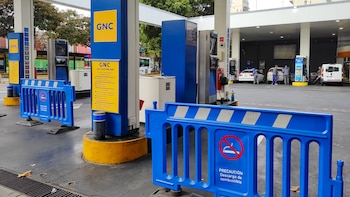
The ongoing wave of low temperatures has plunged the energy system across the country into a crisis , particularly regarding the provision of gas . The Ministry of Energy has collaborated with concessionaires nationwide to address the situation, ordering the interruption of supply to firm contracts in the Compressed Natural Gas (CNG) chain and industrial sectors . This drastic measure is aimed at ensuring the availability of gas to priority users , including homes, hospitals, and educational institutions.
The National Gas Regulatory Entity (Enargas) has projected that a record demand will be experienced today, surpassing 100 million cubic meters daily. This represents a staggering increase of 25% in demand compared to the same period last year. The unprecedented surge can be attributed largely to the extreme weather conditions, which have left many dependent on heating systems that run on gas.
Understanding the Energy Crisis
This situation reflects broader issues within the energy sector, particularly related to infrastructure and the capabilities of gas supply networks. Aging pipelines, insufficient investment in maintenance, and environmental challenges exacerbate the crisis. As the temperature dips , the demand for gas rises sharply, leading to a system strained beyond its limits. The response from the Ministry of Energy aims to prioritize reliability of service , ensuring that the most vulnerable populations are sheltered from the harsh realities of freezing temperatures .
The Impact on Households and Industries
The interruptions of gas supply to certain sectors raise concerns about how households and industries will cope with the challenges. Families reliant on gas for heating and cooking face difficult choices. With the introduction of rationing , many will experience an impact on their day-to-day activities , particularly in regions most affected by the extreme temperatures.
Industries, on the other hand, may face operational slowdowns or even shutdowns due to the disrupted supply chain . Many businesses, particularly in manufacturing, rely heavily on gas to power machinery, which may lead to economic repercussions if not resolved swiftly. Stakeholders are increasingly calling for a comprehensive strategy not just to handle the current crisis but to create a more resilient energy framework for the future.
Government Measures and Future Outlook
In order to address the ongoing crisis, government officials have stated that additional measures will be taken to mitigate these challenges. This may include investment in renewable energy sources and modernizing existing infrastructure to support a more robust gas delivery system. Furthermore, there will be a push for diversifying energy sources to decrease future dependence on a singular resource.
Experts suggest that finding sustainable solutions is essential for the long-term health of the energy sector. Shifting focus towards green energy alternatives not only addresses demand but also aligns with global trends towards reducing carbon footprints. However, the implementation of such changes will take time, and immediate actions are essential to address the pressing needs during this critical period.
The energy crisis caused by extreme cold has exposed vulnerabilities in the gas supply system, prompting an urgent need for effective government intervention. While current measures seek to prioritize essential users, a long-lasting solution lies in revamping the energy infrastructure and incorporating innovative technologies in energy management.