
The Heavy Burden of Today’s Football Calendar
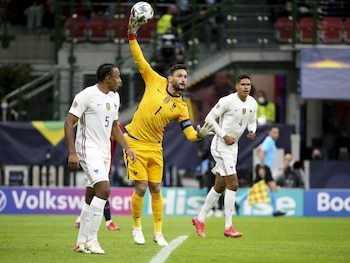
The world of football has always been laden with its share of challenges, but the growing demands of modern football are now reaching unprecedented levels. Recently, French footballers Jules Koundé of FC Barcelona and Raphaël Varane, formerly of Real Madrid and now retired, have vocalized their concerns regarding a calendar filled to the brim with matches. Their candid statements highlight an ongoing issue that is affecting players’ health and performance.
The football calendar has expanded fiercely in recent years, embellished by the inclusion of additional competitions such as the Club World Cup and various international fixtures. For many players, these changes have made an already grueling season feel even longer. Koundé cynically described the situation on social media, citing that it feels as if they are facing “a season longer than a year.” He observed that some teams started their season back in mid-July 2024 and continued to play well into July 2025, voicing frustration over the relentless schedule.
Varane took a more serious tone in his response, pointing out the consequences of these exhaustive competition schedules, many of which lead to overexertion and injury. As a defender for Manchester United, Varane has experienced his fair share of injuries, often attributing them to the cumulative fatigue built over an elongated season. His remark, “more competitions, more games, more injuries,” resonates deeply within the football community and raises critical questions about player welfare.
The Impact on Player Health
The current football calendar poses significant health risks for athletes. With more games squeezed into a compressed timeframe, players face heightened stress levels both mentally and physically. This does not only result in injuries but can also lead to diminishing focus during critical moments in matches. Well-documented studies have illustrated the correlation between increased game frequency and injury rates; as players push their limits, their bodies often fail to recover adequately.
Moreover, injuries resulting from overtraining can have long-lasting effects. The nagging ankle sprains or muscular tears can sideline players for weeks, if not months, forcing clubs to reconsider their strategies. Not only do these injuries affect the players, but they also have ramifications for fans who wish to watch their stars in action.
Voices of Concern in the Football Community
Koundé and Varane are not alone in their outcry. Many athletes are beginning to unite in support of the cause, standing up for the need for reform in the football calendar. Increasingly, players and analysts are calling for a more balanced schedule that prioritizes the health and well-being of the athletes.
The lack of attention to player welfare raises considerable ethical questions for League organizers and Football Associations. Should profit gains be prioritized over the physical well-being of the players? The answer must surely lie in a symbiotic approach where the interests of all stakeholders are carefully balanced.
Football is more than a game; it is a livelihood for many, and as such, players deserve protection from decisions that might endanger their careers. Establishing a fair and manageable schedule could serve as a foundation that not only prioritizes player health but could ultimately enhance the quality of the matches themselves.
A Call for Change
With the recent concerns brought to light by Koundé and Varane, now is the time for decision-makers in the football world to take significant actions. Potential changes could involve reducing the number of friendly matches or creating ailment management programs aimed at educating players on how to handle their physical and mental well-being during equally grueling seasons.
Football clubs around the world should also engage in thoughtful conversations concerning player management strategies. This includes analyzing the current training loads and match schedules relative to recovery periods. Facilitating a healthy work-life balance for athletes could not only prevent injuries but may also foster a sense of commitment and enthusiasm toward their beloved sport.
In conclusion, as the pressures mount on professional footballers from extended seasons filled with back-to-back matches, it becomes increasingly crucial to address the broader implications on player health and the quality of the sport itself. With Koundé and Varane leading the charge, the nuclear issues surrounding the current football calendar mustn’t be disregarded. A more sustainable and player-friendly approach could pave the way for a more enjoyable experience for all involved, from players to fans alike.