
Fire Management in Castilla-La Mancha: A Recent Update
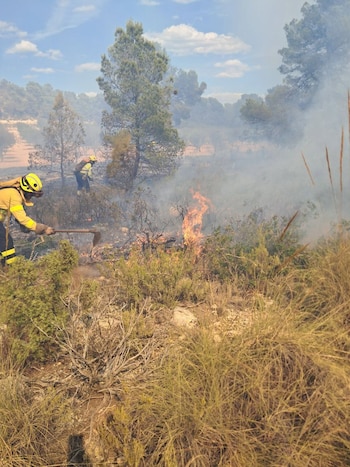
The Forest Fire Prevention and Extinction Service of the Government of Castilla-La Mancha has successfully contained two significant fires in the region, showcasing the effectiveness and dedication of firefighting efforts. The first fire, located in the Cerro Piojo area of Almansa, was declared extinguished at 23:27 hours. Meanwhile, the fire at Loranca de Tajuña in Guadalajara is under control, highlighting the ongoing challenges faced by local authorities.
Details of the Almansa Fire
The Almansa fire was first detected on Saturday at 3:39 p.m. by a vigilant fixed guard. By 6:55 p.m., the fire was deemed controlled, thanks to a rapid response by firefighting teams. A total of 20 firefighting units and 70 personnel were mobilized to address the blaze, demonstrating the commitment of the government and local agencies to safeguard the region’s natural resources.
This incident underscores the necessity of early detection in fire management strategies. Local residents were remarkably supportive, playing a crucial role in reporting the fire immediately, which prevented the situation from escalating further.
Overview of the Loranca de Tajuña Fire
In contrast, the fire in Loranca de Tajuña was discovered slightly earlier, at 2:54 p.m. on Friday, thanks to a private individual’s quick thinking. By the following Saturday evening, the flames were under control, with firefighting teams declaring the situation manageable by 9:52 p.m. Over 33 units and 124 personnel participated in extinguishing operations, focusing on preventing the fire from spreading due to favorable weather conditions at the time.
The involvement of numerous agencies in Loranca de Tajuña reflects the collaborative nature of fire response efforts in Castilla-La Mancha. The region’s response team comprises trained professionals dedicated to protecting both the environment and local communities.
Impact of Forest Fires
Forest fires pose significant risks, not only to the ecosystem but also to human life and property. They can devastate large areas, leading to environmental degradation, loss of wildlife, and economic hardship for local communities reliant on forestry and tourism.
In the case of Almansa and Loranca de Tajuña, rapid intervention staved off potentially catastrophic consequences. The extensive resources dedicated to firefighting emphasize the importance of preparedness and coordination among various agencies.
Community Engagement and Awareness
Increasing community awareness about fire risks is equally essential in safeguarding forests. Programs focused on educating residents about fire prevention and reporting suspicious activities can significantly reduce the occurrence and impact of such fires. Local authorities are urged to conduct more community outreach programs to raise awareness and train residents on fire safety protocols.
Local governments are investing in campaigns aimed at ensuring that all community members are aware of their responsibilities regarding fire safety. From dusting off affordable fire extinguishers to encouraging the formation of community fire watch groups, every action counts.
Conclusion
The recent fires in Castilla-La Mancha reiterate the persistent threat of wildfires and the essential role of proactive forest management strategies. While the extinguishing of both the Almansa and Loranca de Tajuña fires reflects effective intervention, continuous efforts in prevention, education, and community engagement are vital for minimizing future risks. As climate change progresses, regions like Castilla-La Mancha will confront increasing challenges, necessitating collaborative actions from local governments, communities, and environmental organizations to foster sustainable practices aimed at protecting both human and ecological health. Implementing stringent fire safety measures, enhancing monitoring systems, and engaging the community in fire prevention initiatives will play crucial roles in combating wildfires in the future.