

Revolutionizing Mental Health Care: The Potential of Expert Centers
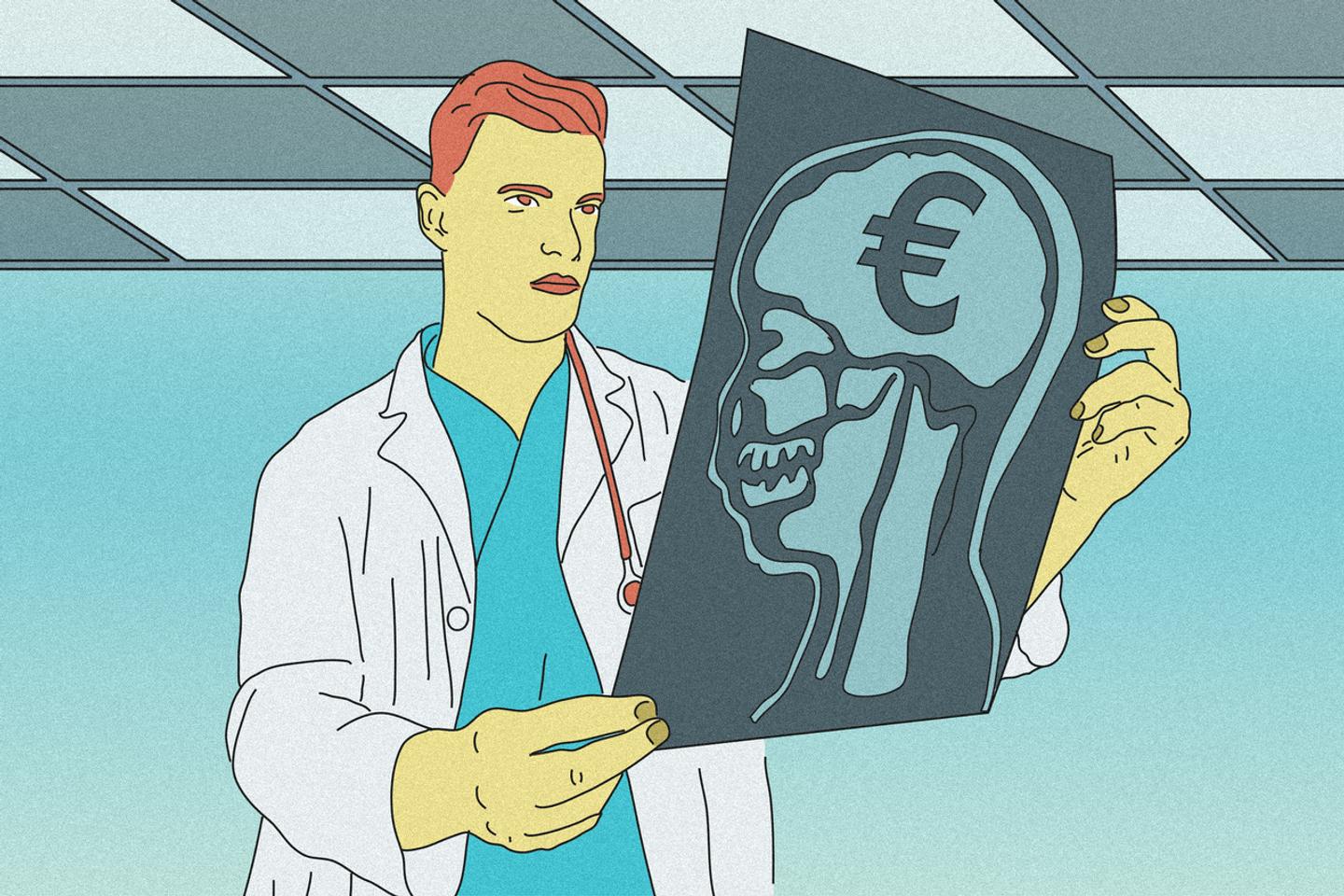
The topic of mental health has increasingly moved to the forefront of social discussions. Recent reports suggest that it is possible to save €18 billion annually for social security in France, a staggering figure that highlights the urgency for change in mental health care services. This figure has emerged from a proposed law introduced by Alain Milon, a senator from Vaucluse, and several other parliamentarians. Their proposition advocates for expanding expert psychiatric centers , run by the organization FondaMental, nationwide. The belief is that such a widespread implementation could significantly reduce hospitalization rates for individuals grappling with mental health issues.
The Economics of Mental Health Treatment
The proposed changes focus on lessening hospital stays, which represent the most considerable financial burden in treating mental disorders. By directing patients to specialized centers, the expectation is that not only would treatment improve, but costs would see a dramatic reduction . According to the proposal, the initial investment needed to establish these centers would be minimal in comparison to the potential savings that could be realized through the avoidance of extensive hospital stays.
Critics Weigh In
However, the optimism surrounding this proposal has been met with skepticism. A recent study published on May 28 by researchers in the journal Social Science Medicine – Mental Health questions the validity of these claims. Led by François Gonon , a neurobiologist at CNRS and the University of Bordeaux, and Florian Naudet , a psychiatrist from the Institute of Health Research, Environment and Work, the authors believe the anticipated outcomes may be overly optimistic. According to their analysis, the 50% reduction in hospitalization days claimed by the proponents of the law could be misleading.
Analysis of the Data
The researchers assert that the claims presented by FondaMental, often echoed by legislators, lack robust backing from scientific data. They point out that the communication strategy employed by FondaMental may misinterpret or even misrepresent the voluntary data to bolster their arguments. Critics argue that while having a solid foundation for mental health care is essential, inflated claims could lead to misguided policymaking and ineffective use of resources.
Potential for Improvement
Despite the dissenting opinions, the introduction of the expert psychiatric centers holds promise. If implemented carefully, they could enhance the quality of care, make treatment more accessible, and significantly improve health outcomes. This initiative highlights a broader discourse on how mental health care is approached, signaling a potential shift toward more integrated and community-based solutions . As mental health becomes a critical public health issue , the focus must remain on blending scientific findings with effective treatment strategies that prioritize patient welfare.
The conversation surrounding these proposed changes continues, and the insights provided by critics underscore the importance of evidence-based approaches to policy-making. A balance is necessary between aspiration and factual reporting to ensure that mental health initiatives serve their purpose effectively and economically. The landscape of mental health treatment is evolving, and while the promise of expert centers is appealing, a sustainable model informed by sound data and rigorous science will be crucial for success.